The Saint-Tropez market is the easiest way to understand a town that most people think they already know. Behind the superyachts and the shopfronts is a working Provençal port with a plane-shaded square, a fortress on the hill, a coastal path that empties out within ten minutes of leaving the harbour, and a small art museum holding paintings made in the bay outside its own front door. Sam Newman spent a morning here on his European trip, wandering the stalls, buying a souvenir t-shirt for fifteen euros, ducking into the back lanes and finishing with sea bass and a chicken Caesar near the marina before catching the ferry back across the gulf. That is roughly the right shape for a day here, and it is a very long way from the reputation.
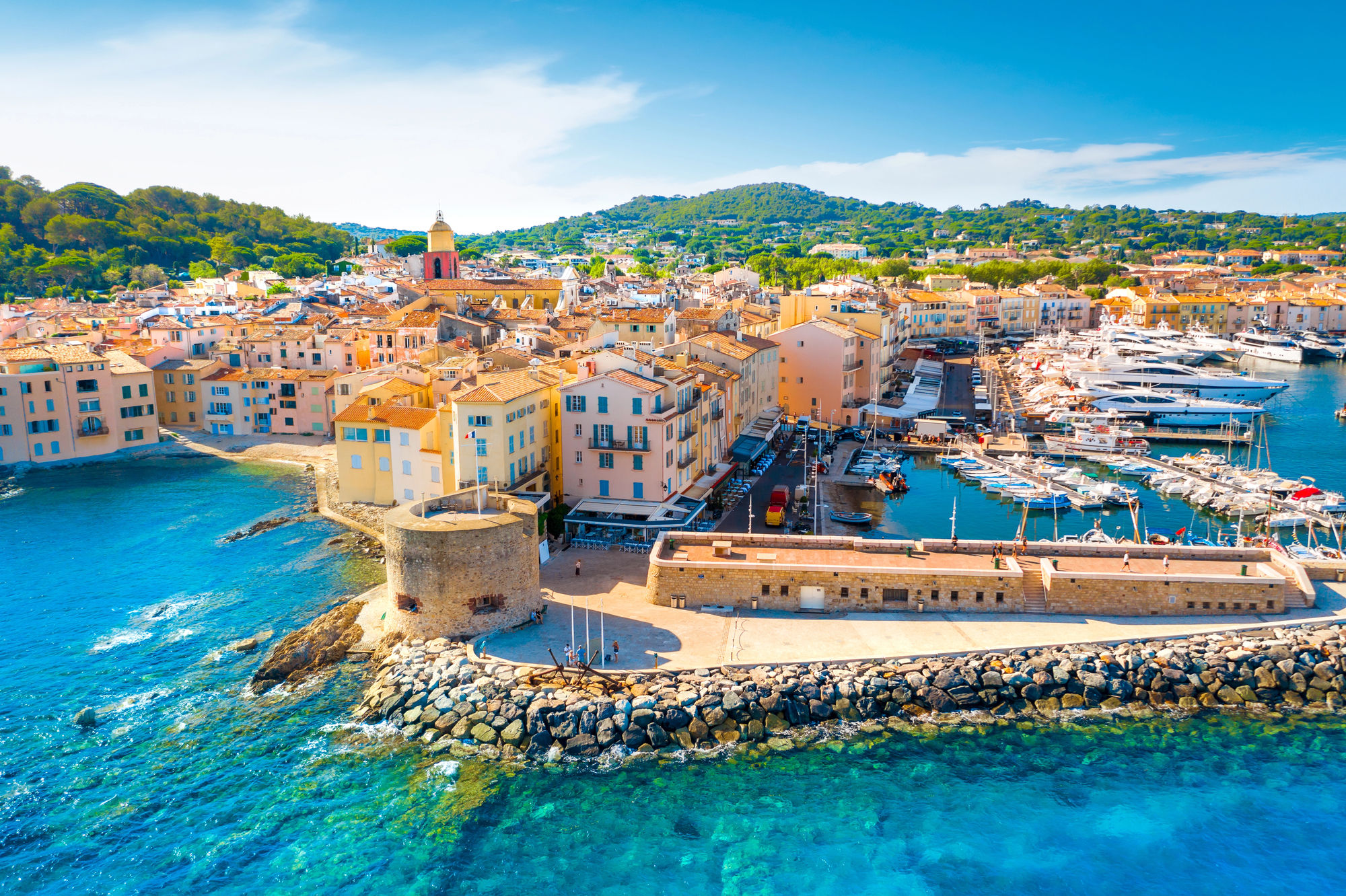
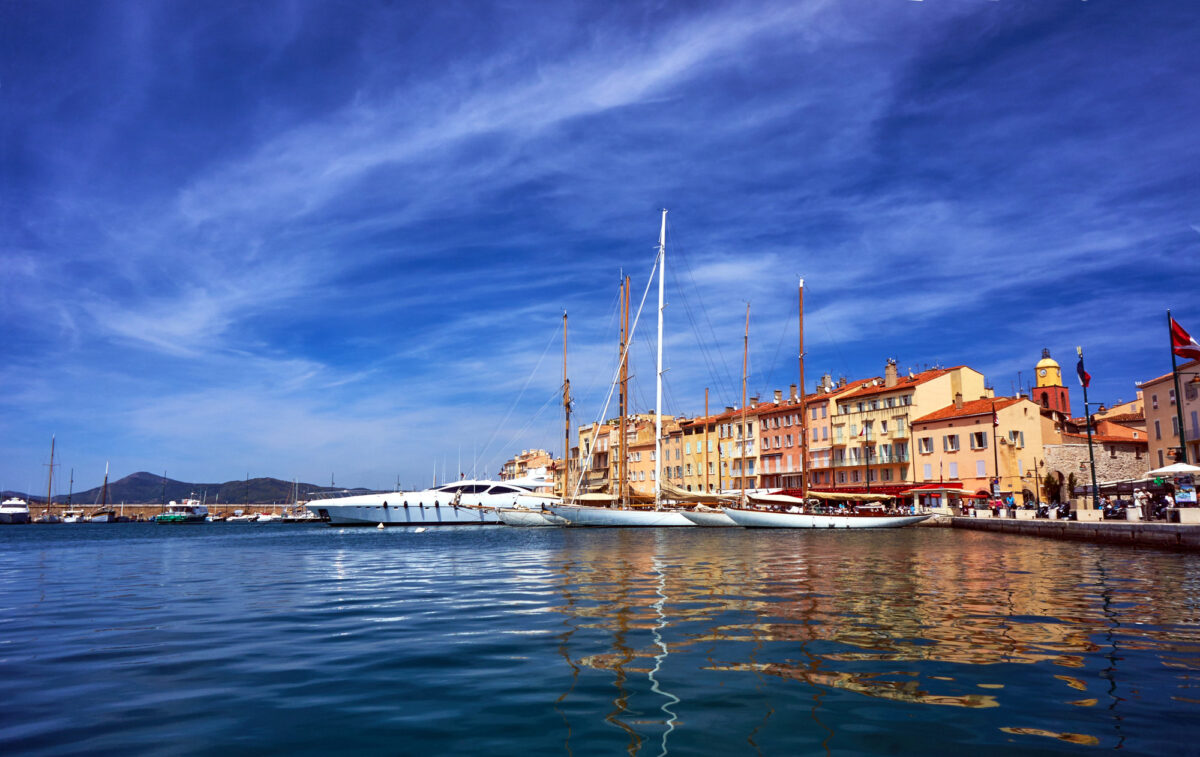
Saint-Tropez sits on its own small peninsula on the Côte d’Azur, facing north across the Golfe de Saint-Tropez. The light is the reason the painters came, and it is still the reason to come. Arrive by ferry across the water rather than by car if you can, because the approach to that terracotta waterfront is one of the best in the Mediterranean.
Walk the Sentier du littoral before the day heats up
The old customs officers’ path traces the whole peninsula, and within ten minutes of leaving the port you have left the crowds behind entirely. What follows is red rock, umbrella pines, small coves for swimming and the back gates of villas that day trippers never see. The classic stretch runs from Plage des Graniers around Cap de Saint-Tropez to Plage des Salins, and it is the one thing here that has not changed since Colette and Signac were writing and painting on this coast. It costs nothing.
Practical note: start from Plage des Graniers by 8am in summer and allow around three and a half hours to Les Salins. Sturdy shoes rather than sandals, plenty of water, and book a taxi for the return, because the walk is one way.
Give Plage de Pampelonne the whole afternoon
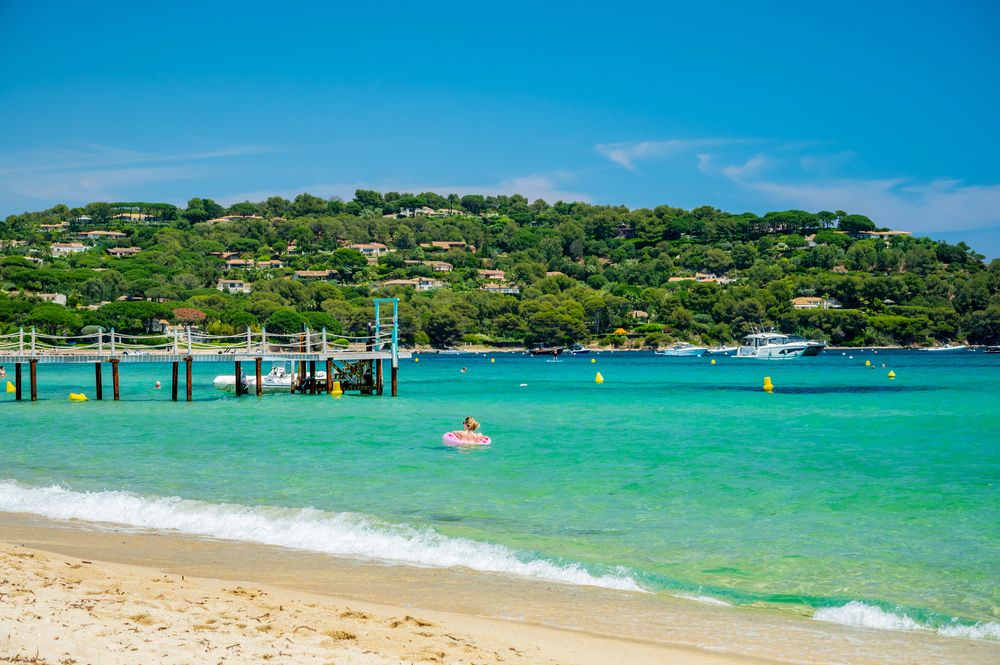
Five kilometres of pale sand in the commune of Ramatuelle, backed by a string of beach clubs that run from the barefoot legend of Club 55 to the polished loungers of Loulou and Indie Beach. A proper Pampelonne day is a late swim, a long lunch of crudités and grilled fish, and nothing planned afterwards. Since the beach was redeveloped it is far less built up than it was a decade ago, so the sand itself is better than the reputation suggests. It is about twenty minutes by car from town, or you can take a water taxi.
Practical note: in July and August reserve loungers and your table weeks ahead. Ask for a 1pm table and write off the rest of the afternoon.
Climb to the Citadelle for the view over the gulf
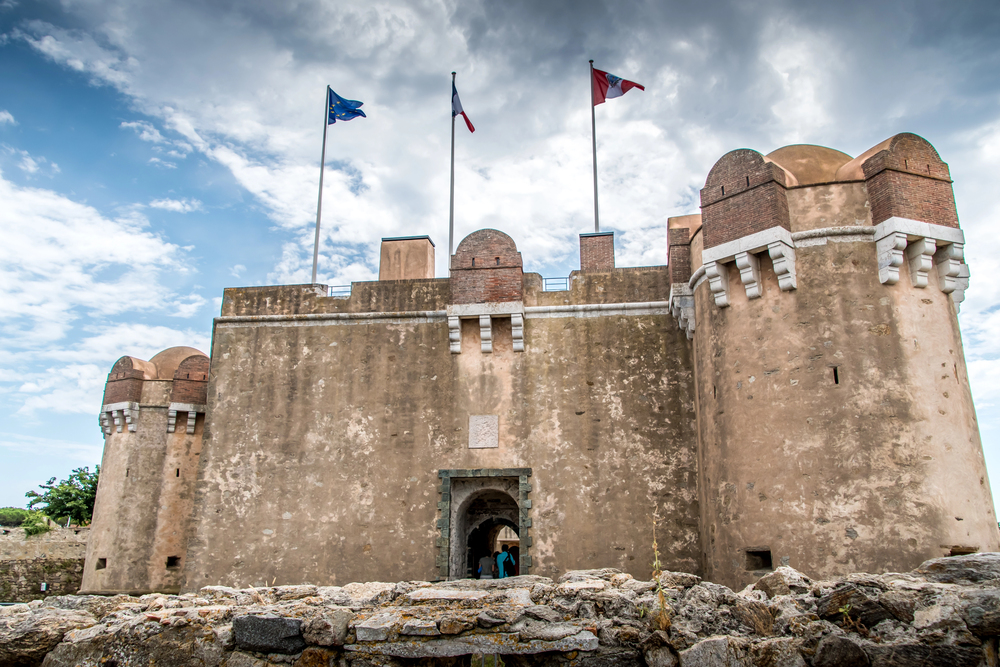
The hexagonal 17th century fort on the hill above town houses the Musée d’histoire maritime, which tells the story of Tropézien sailors, the tuna fishery and the 1944 Allied landings rather well. The real prize is the rampart walk, with the gulf, the Massif des Maures and the town’s terracotta roofs laid out below. Peacocks wander the grassy glacis, and Sam met one of them on his way through, which tells you something about how unhurried the hill feels compared with the quay.
Practical note: walk up from the Ponche quarter within the first hour of opening and allow ninety minutes including the ramparts.
The Saint-Tropez market on the Place des Lices
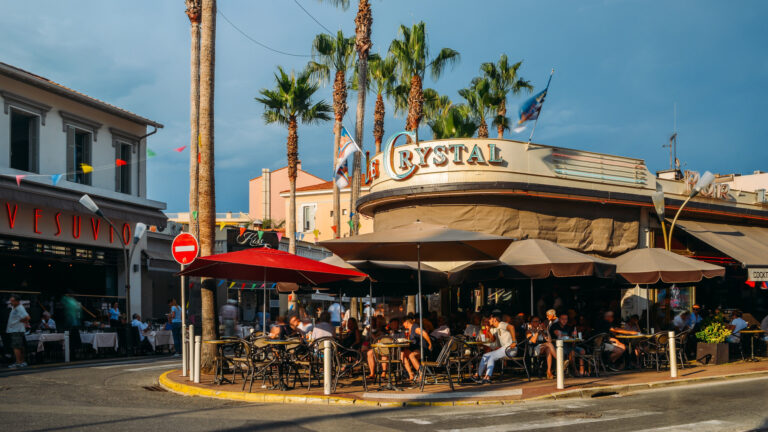
On Tuesday and Saturday mornings the square under the plane trees fills with Provençal produce, olives, socca, tapenade, antiques and espadrilles from local makers. Yes, there are t-shirts, and Sam came away with one. But this is still where the town does its shopping, and the smell of rotisserie chicken and ripe melons more than earns the crowd. Afterwards, take a pastis on the terrace at Le Café, where the pétanque pitch runs right past your table. Bring cash and something to carry it all in.
Practical note: arrive before 9am for the produce and allow two hours including a drink. Then wander the back lanes off the port, which are quiet, shaded and only a few steps from the main action.
Musée de l’Annonciade, the town’s quiet masterpiece
A deconsecrated 16th century chapel on the port holds one of France’s finest small collections of Pointillist and Fauvist painting: Signac, Bonnard, Matisse, Derain, Vuillard, much of it painted in this bay. Most visitors walk straight past the door on their way to look at the boats. Two intimate floors, and when you step outside you see the exact light the canvases are chasing.
Practical note: go in the last hour before closing when the port thins out, and allow forty five to sixty minutes. Check whether it is in its winter closure before you build a day around it.
When to go and how it fits a wider trip
May, June and September are the sweet spot: warm water, open beach clubs, and a town you can still move through. July and August are hot, glorious and very busy, and everything worth booking needs booking well in advance. Spring and autumn suit the coastal path best. Winter is quiet and beautiful, but some museums and clubs close.
Saint-Tropez works best as two or three unhurried nights inside a wider Provence and Riviera itinerary, paired with Ramatuelle and Gassin on the peninsula, the villages of the Massif des Maures inland, and Nice, Antibes or Aix within easy reach. Driving is straightforward once you have adjusted to the right hand side of the road, though parking in town in summer is not, which is why the ferry across the gulf is often the smarter arrival. If you would like the walk, the beach table, the ferry timings and the museum hours stitched together into days that actually flow, that is exactly the sort of planning we do at Cartier World Travel.