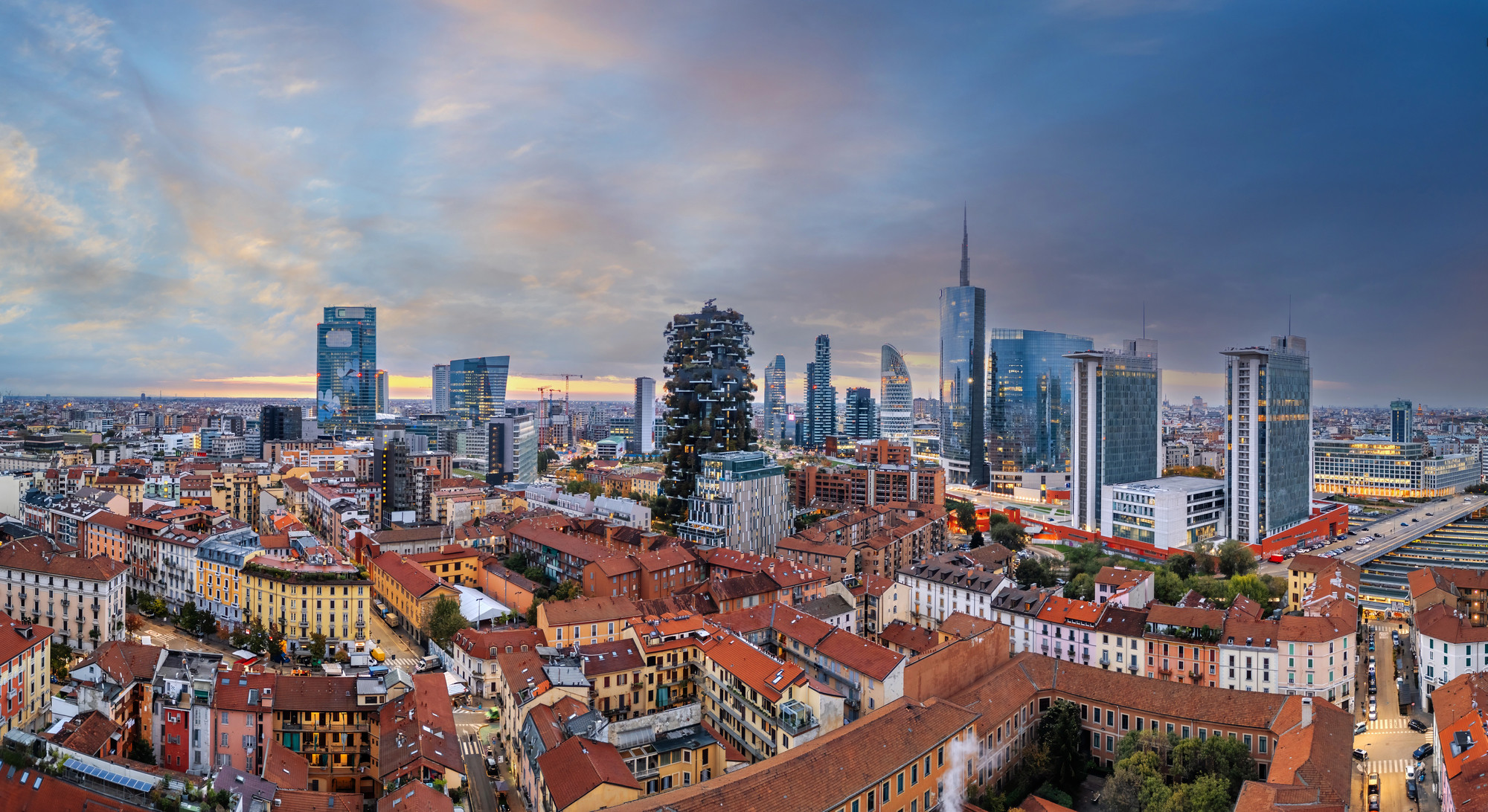
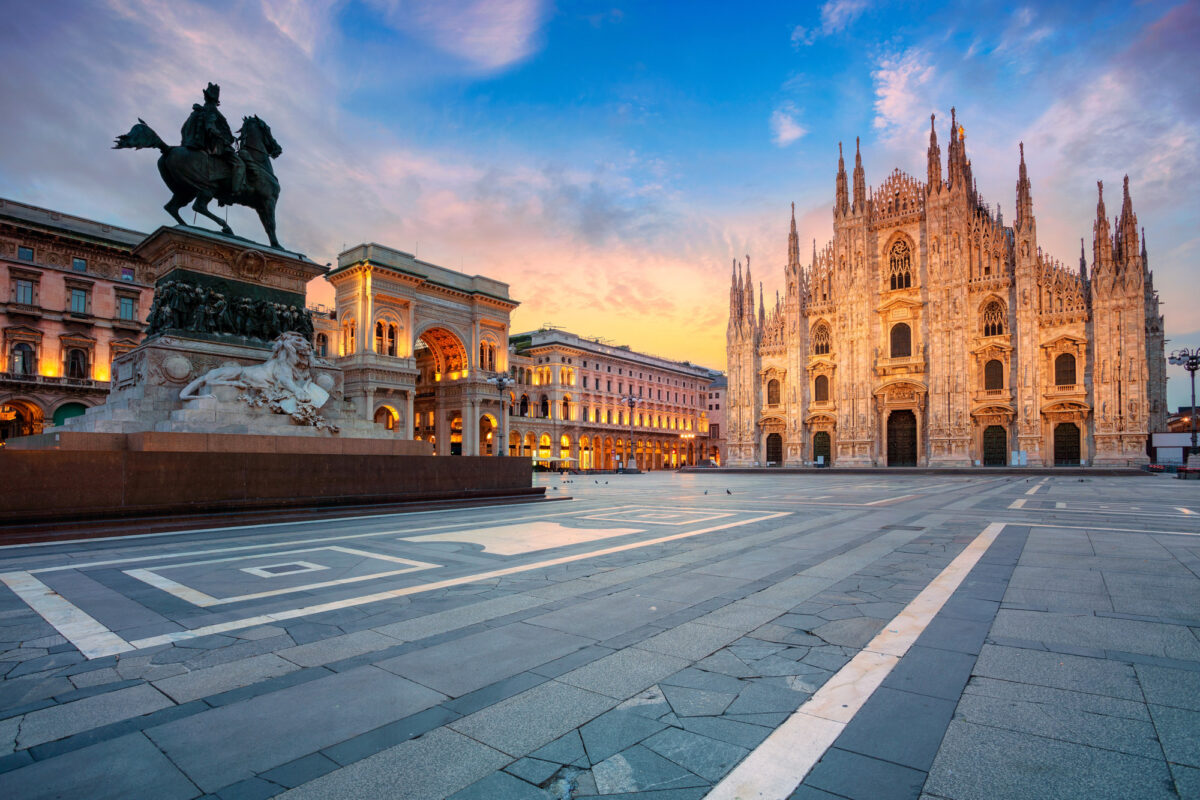
Driving from France to Italy is one of those legs that quietly becomes the best part of a European holiday. You leave the pines and beach towns of the Côte d’Azur, climb onto a motorway pinned to the side of a mountain, and spend the next few hours alternating between tunnels bored straight through the rock and viaducts hung out over the Mediterranean. Somewhere along the way the road signs change language, the coffee gets shorter and stronger, and by late afternoon you are rolling into Milan. It is a transfer on paper. In practice it is a day of scenery you would happily pay to see.
Sam Newman drove this route on his way east through Europe, out of the Saint-Tropez side of Provence, past Monaco and on towards Milan, with the Lamborghini factory near Bologna on the itinerary after that. His verdict on the coastal stretch will resonate with anyone from Victoria.
What driving from France to Italy actually looks like
The spine of the trip is the A8 in France, which runs behind the Riviera coast from Provence past Cannes, Nice and Monaco, then crosses the border near Ventimiglia and becomes the Italian A10, the Autostrada dei Fiori. From there it hugs the Ligurian coast through Sanremo and Savona to Genoa, where you turn inland and north on the A7 across the Apennines and down onto the Lombard plain into Milan.
This is mountainous country that falls straight into the sea, so the engineering does the work the terrain will not allow. Tunnels arrive every couple of kilometres, and between them you get a few seconds of open sky, a sheer drop and a slab of blue water before the next portal swallows you. It is genuinely spectacular, and it is also demanding: constant light and dark, tight curves, trucks in the right lane and fast local traffic in the left. The driver sees less of it than the passenger, which is one good argument for sharing the wheel.
Tolls, service stops and the practical side
Both the French autoroute and the Italian autostrada are toll roads, and on the long runs you take a ticket on entry and pay at the exit. Have a credit card ready and know which lanes you can use, because the automated lanes reserved for electronic tags are easy to drift into by mistake. Sam noted that the tolls between the Riviera and Milan were expected to run to somewhere in the range of 40 to 60, and that they add up quickly when you are crossing two countries in a day. Budget for them rather than being surprised by them.
Motorway service areas on this route are a cut above what Australians expect from a highway stop. They sell proper coffee, panini and regional food, and the Italian ones stock everything from wine to scale model cars. They are also the natural place to stretch after an hour of tunnels.
Where to break the drive
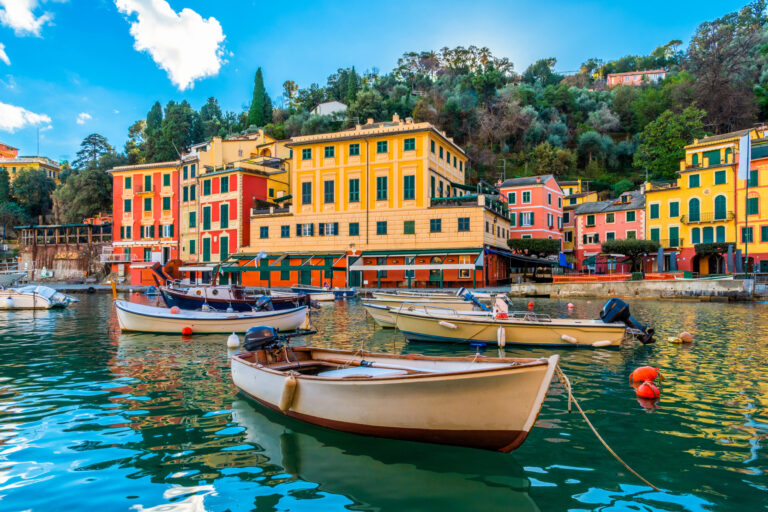
You can do the run in a single day, but the coast rewards a pause. Menton on the French side is all lemon trees and pastel facades. Just over the border, the Ligurian towns of Sanremo and Bordighera have a faded, unhurried elegance. Genoa is a serious city with a tangled medieval old town, a working port and a food culture that gave the world pesto and focaccia. If you have an extra night in hand, the Portofino peninsula and the Cinque Terre sit within easy reach of the same motorway.
Arriving in Milan
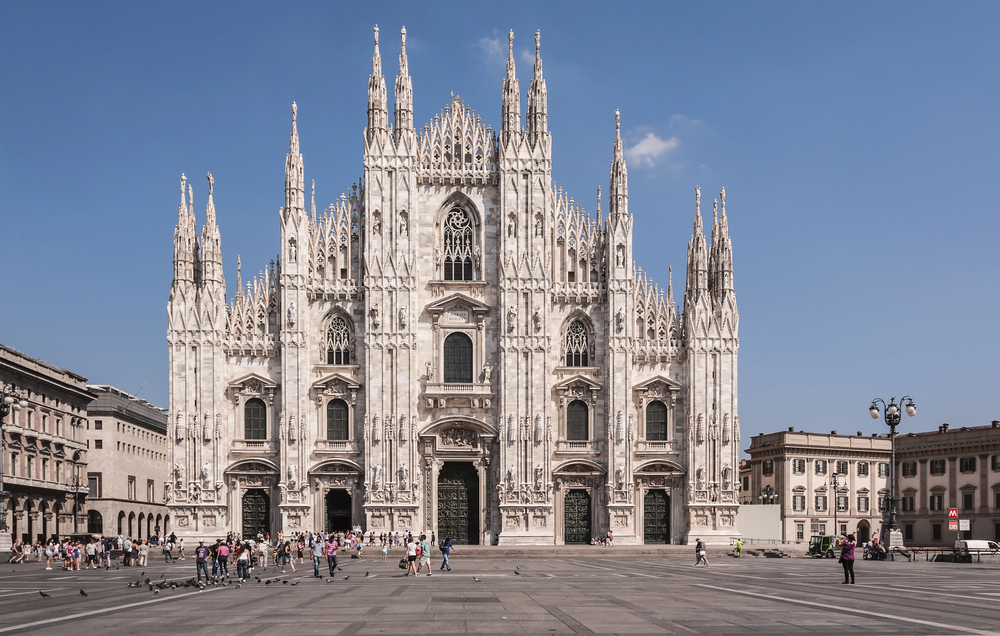
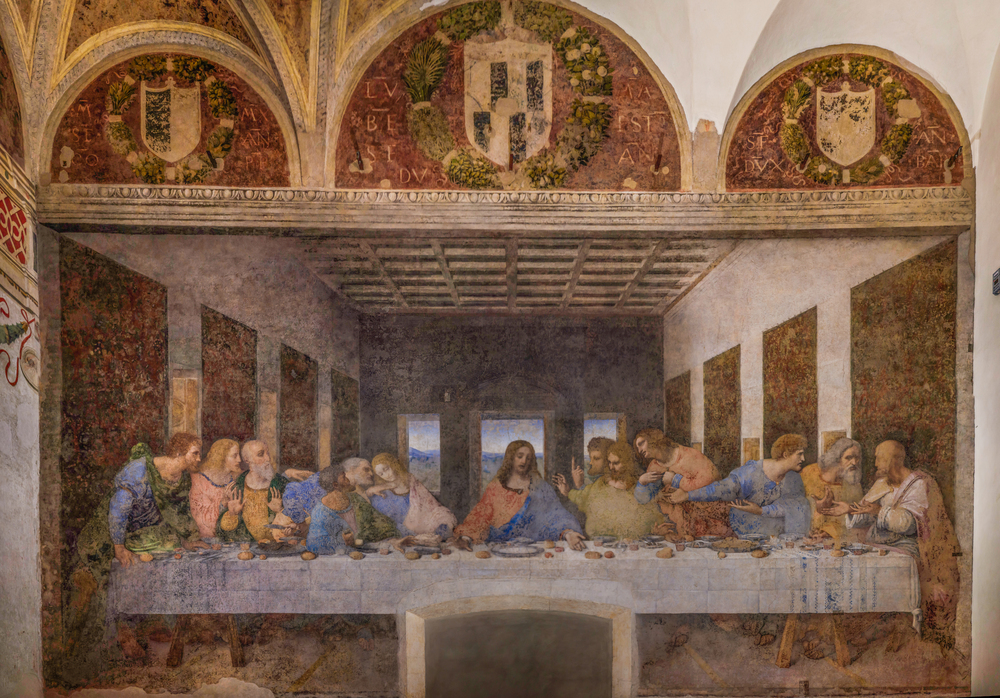
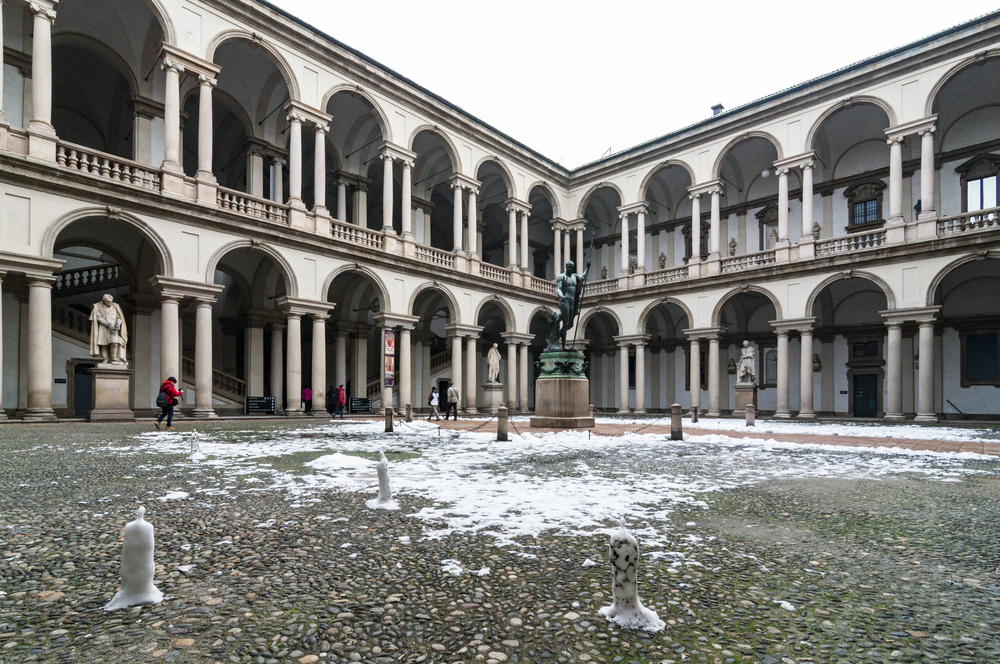
Milan is Italy’s working city, and it wears that lightly. The Duomo is the obvious start, a forest of marble spires you can walk among on the roof terraces. Next to it, the Galleria Vittorio Emanuele II is a nineteenth century shopping arcade under a glass dome that still feels grand rather than touristy. Brera keeps the artistic side of the city, the Navigli canals fill with people in the evening, and aperitivo is a genuine institution: a drink in the early evening, something to eat alongside it, and no rush about any of it. Leonardo’s Last Supper at Santa Maria delle Grazie is worth arranging well in advance, because entry is limited and it books out.
When to go and how it fits a wider trip
Late spring and early autumn are the sweet spot for this drive. The coast is warm, the light is long, and you avoid both the August crush on the Riviera and the summer heat that settles over the Po Valley around Milan. Winter is quiet in the city and perfectly pleasant, though the coastal views are less generous.
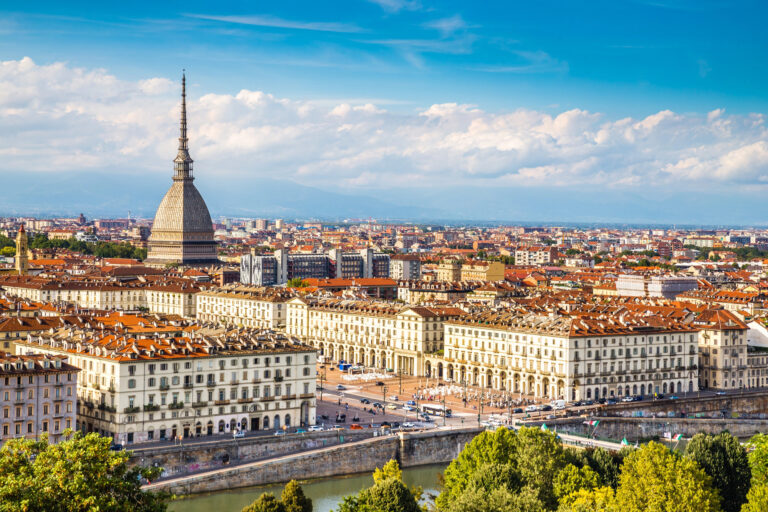
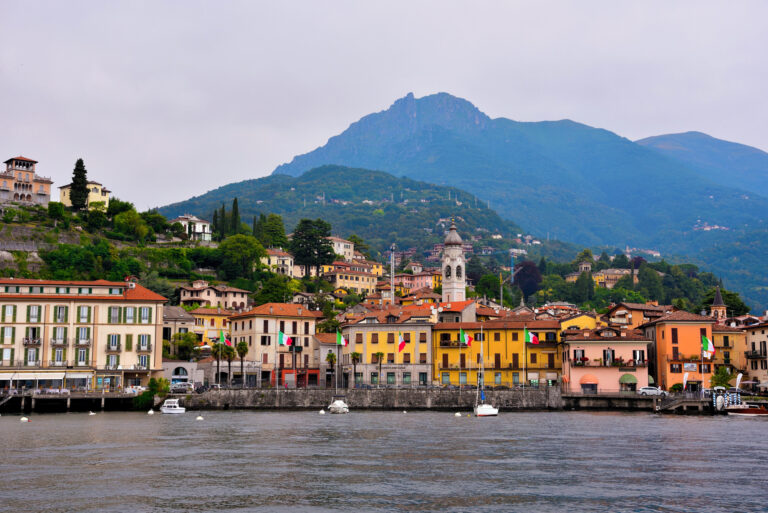
As a piece of a larger itinerary, this leg does a lot of work. It links Provence and the French Riviera to northern Italy without a flight, and once you are in Milan you are within a short train or drive of the lakes, Turin, Verona and Venice, or south towards Emilia-Romagna and the motor valley around Bologna. The trick is pacing it properly: allowing more hours than the map suggests, choosing where to stop before you set off, and having the car, the tolls and the first night’s arrival sorted so the day feels like part of the holiday rather than a gap between two hotels. That is exactly the kind of detail we plan for travellers who would rather drive the coast than fly over it.