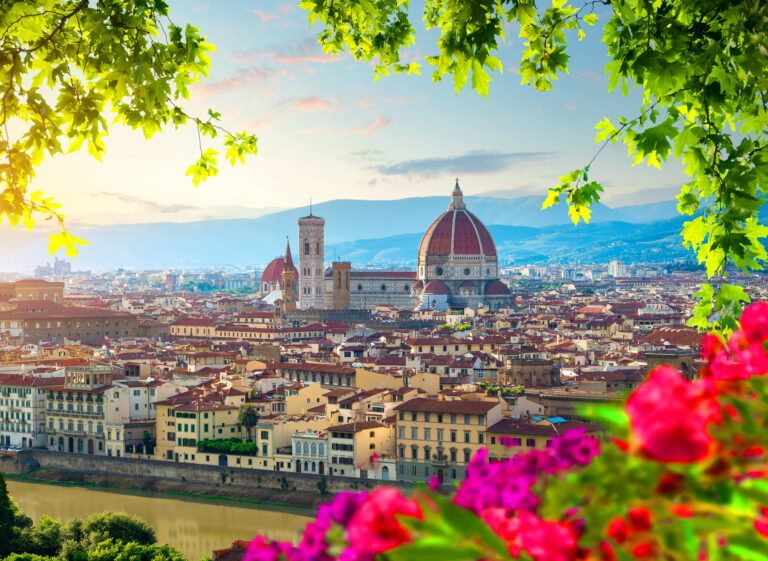
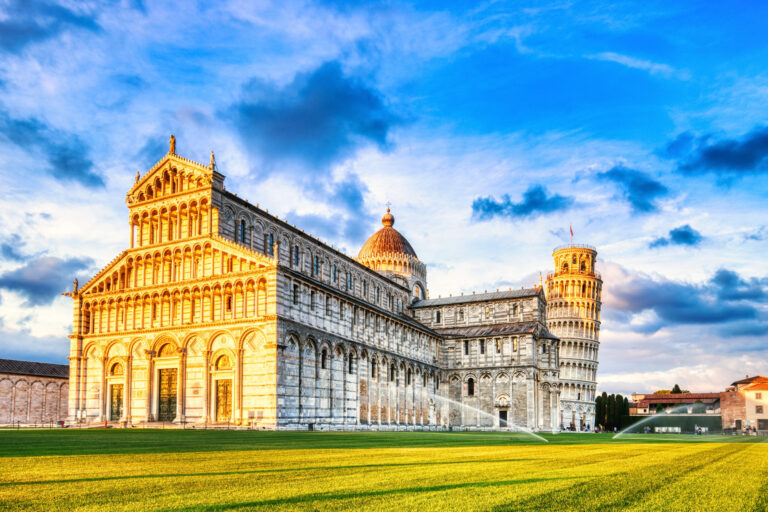
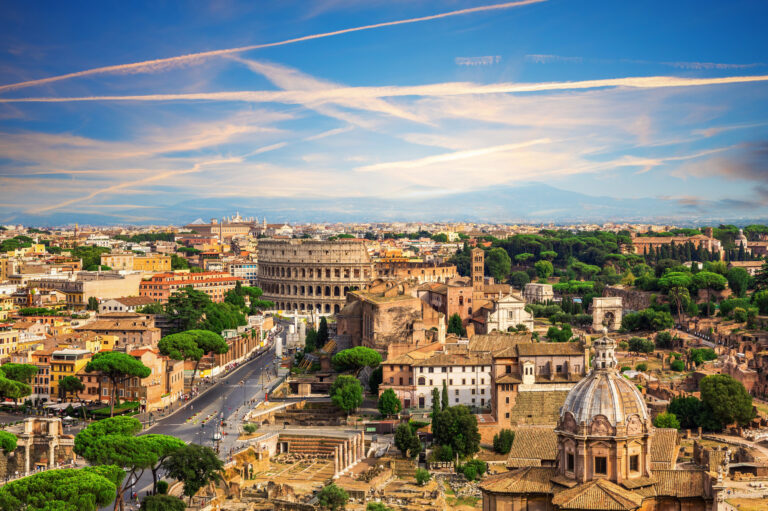
A Chianti wine tasting is one of those experiences that sounds simple until you are actually standing in it: a glass in hand, the vineyards falling away below you, and a family name on the label that has been on the same hill for the better part of nine hundred years. That is the pull of this stretch of Tuscany between Florence and Siena. The wine is the reason you come, but the landscape, the architecture and the sheer depth of time are what stay with you long after the flight home.
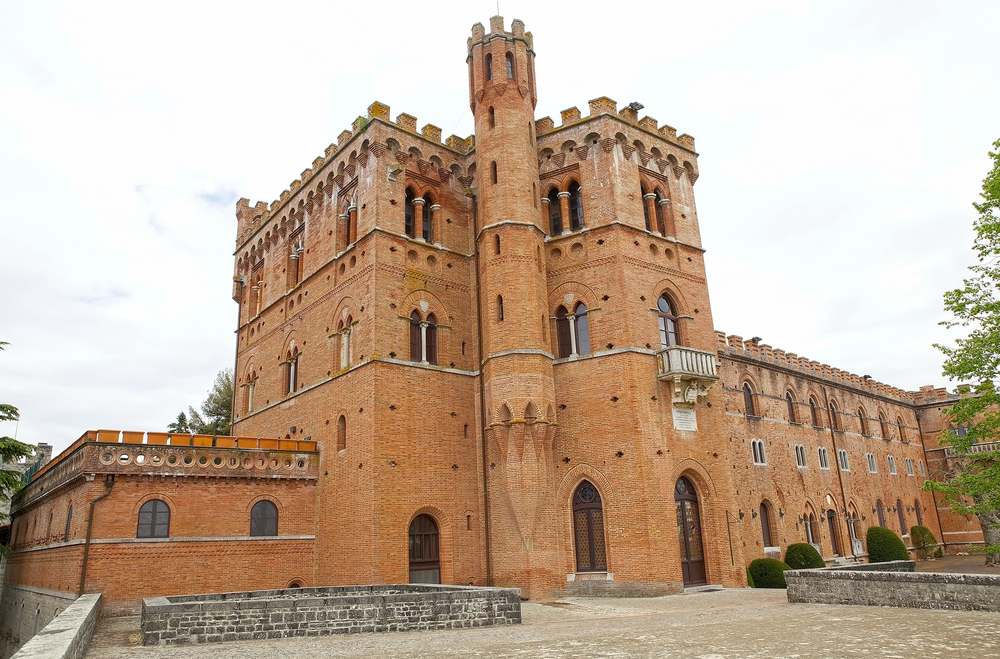
At Castello di Brolio, near Gaiole in Chianti, the Ricasoli family have held the estate since 1141. The family still lives there. Sam Newman, filming in Chianti during his European trip, described it as Italy’s version of Buckingham Palace, and standing on the terrace it is not an unreasonable comparison.
Why Castello di Brolio is worth the drive
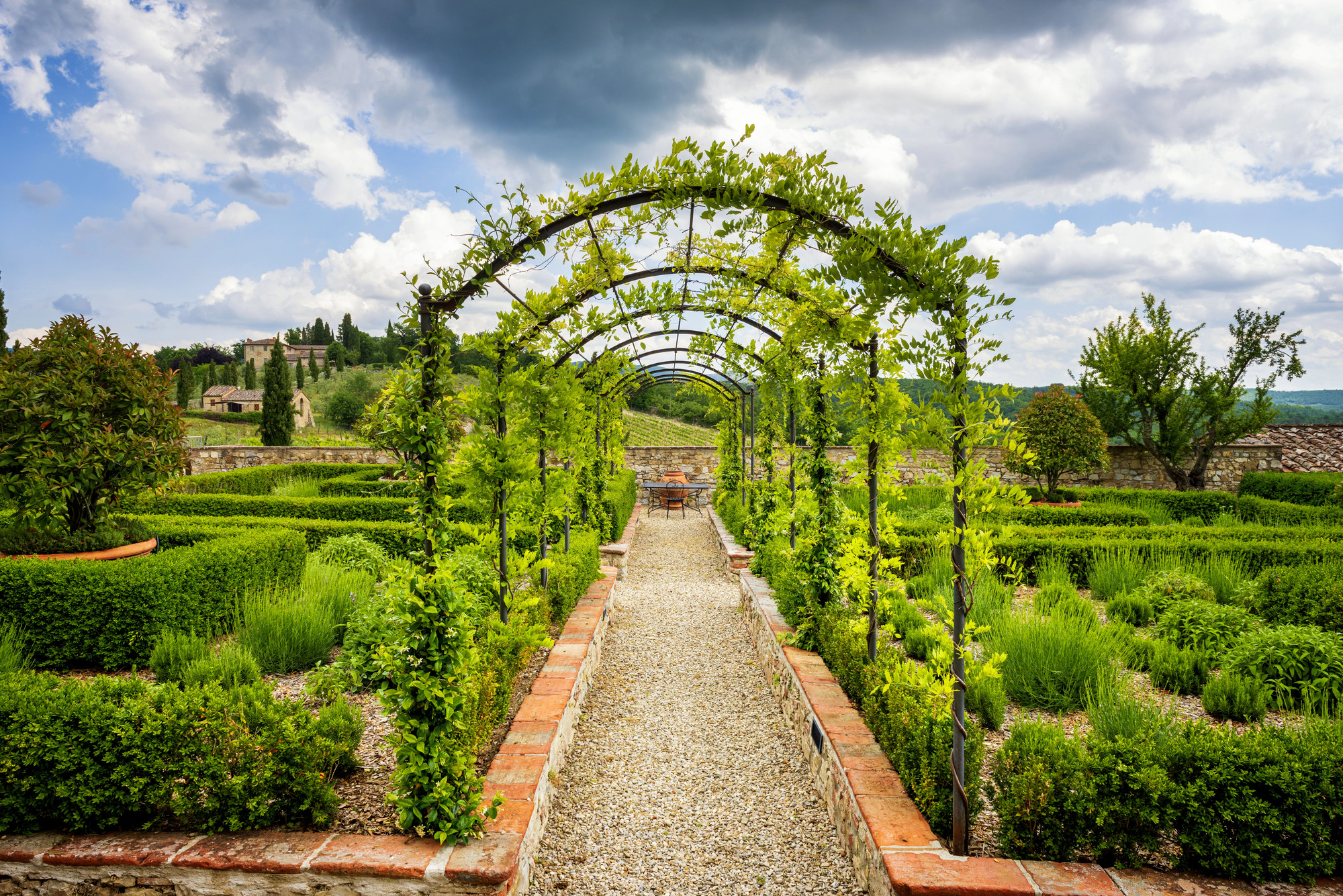
Brolio is a castle first and a cellar door second, which is exactly what makes it different from the modern tasting rooms you find elsewhere in Europe. The buildings sit high on a ridge, with formal gardens, courtyards and walls that wrap around the hilltop and open, corner after corner, onto a fresh view of the valley. The working winery is no longer in the castle itself, it sits below in the village, but the connection between the house on the hill and the vines beneath it is entirely legible from where you stand.
The Ricasoli name matters in Italian wine well beyond this one estate. This is the heart of Chianti Classico, and the family have been central to how the wine came to be defined. Tasting a Chianti here, in sight of the vineyards it came from, gives the glass a context that no bottle shop back in Australia can reproduce.
What a Chianti wine tasting actually looks like
Expect something more considered than a queue at a bar. Tastings at estates of this calibre are generally arranged in advance rather than walked into, and they are held in rooms designed to make you look outward. At Brolio the tasting space faces the Tuscan landscape directly, which Sam noted as the best part of the whole arrangement.
If you are new to the region, taste across the styles rather than fixating on one. A rosato and a Chianti Classico side by side tell you more about the estate than two vintages of the same red. Take your time, ask what grows where on the slope below you, and let the person pouring do the talking. Bookings are the difference between a rushed twenty minutes and an afternoon you remember.
Getting the driving right
The roads through Chianti are narrow, ridge-hugging and full of blind corners, and they demand your full attention. Sam had a genuine near miss on the way to Brolio, an ambulance overtaking a truck on the wrong side of the road on a bend, and it shook him enough that he pulled over to steady himself before continuing. It is a useful reminder for Australian drivers used to wider, straighter roads: keep your speed down, stay well left, and build far more time into the day than the map suggests. Emergency vehicles here take priority and take it hard.
Plan one or two estates a day, not four. The distances look tiny and the driving is slow, which is a feature of Chianti rather than a flaw, provided your itinerary allows for it. If wine is central to your trip, a driver for the day removes the question entirely.
The Tuscan landscape between the wineries
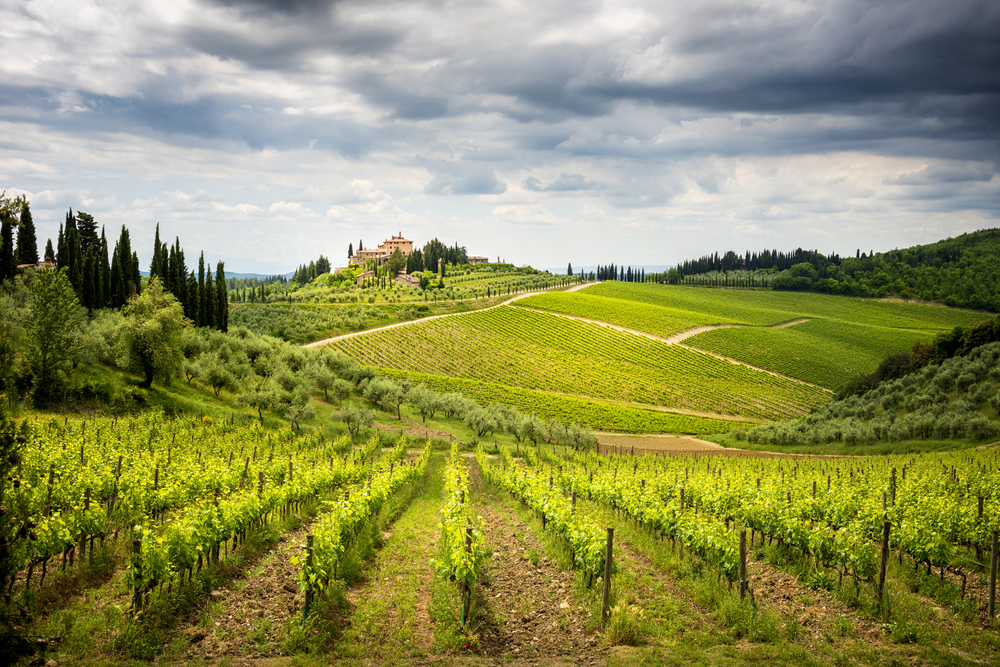
Half the pleasure of Chianti happens between stops. Sam described the view from the castle receding in bands, green to blue to haze to violet, layer after layer out to the horizon, and that is precisely what the hills do here in the softer hours of the day. Cypress lines, stone farmhouses, olive terraces and vines are stitched together across the ridges. Leave gaps in the schedule for pulling over.
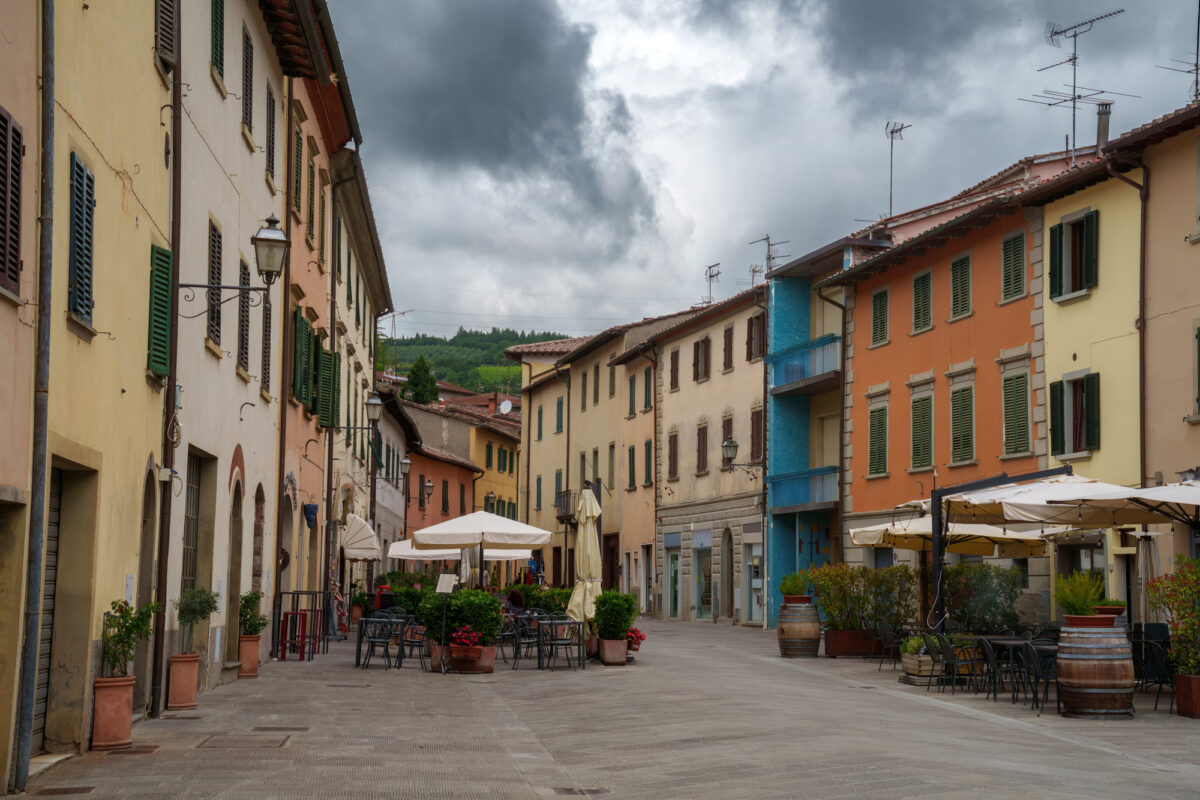
The medieval towns scattered through the region reward the same unhurried approach. Small squares, a church, a bar, and then back out onto the ridge road. None of it needs to be conquered.
When to go and how it fits a wider trip
Late spring and early autumn are the sweet spots. Spring gives you green hills, long light and mild days for walking the gardens and the villages. Autumn brings the harvest and the warmer palette that this landscape is famous for, though it is also the busiest moment at the estates, so book earlier. High summer is hot and crowded, and deep winter sees some cellar doors reduce their offering, though the quiet has its own appeal for anyone who has already seen Tuscany at its peak.
Chianti slots naturally between Florence and Siena, which makes it an easy three or four nights in the middle of a wider Italian itinerary. Base yourself in the countryside rather than the cities if the wine is the point, then continue south to Umbria or west to the coast. For Australians making the long flight over, it pairs particularly well with a slower run through northern Italy or a hop across to the French side, where the same rhythm of small roads, small towns and long lunches carries on. The trick, as always, is fewer bases and longer stays, so the days you spend on a hilltop like Brolio never feel like they are being squeezed in.