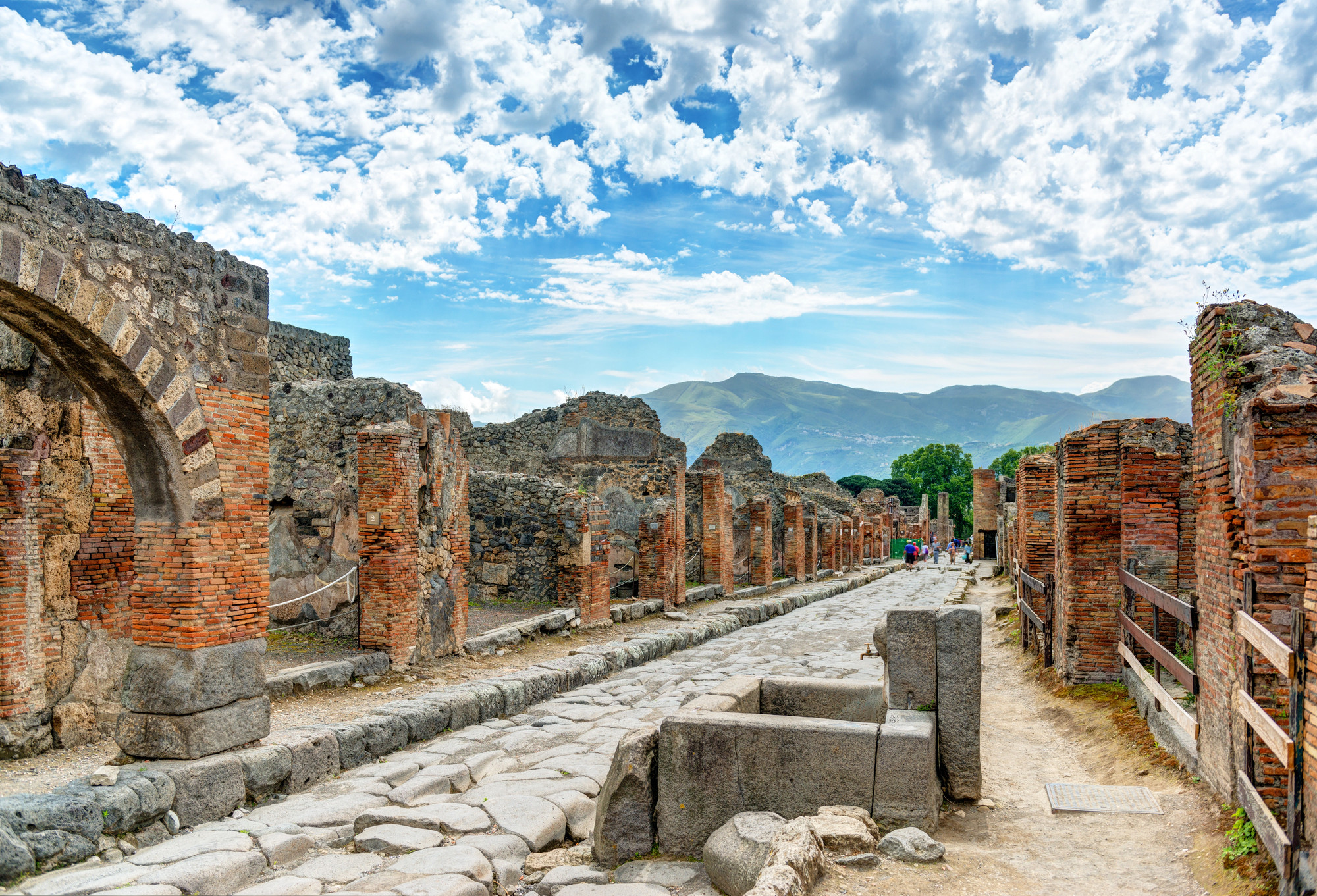
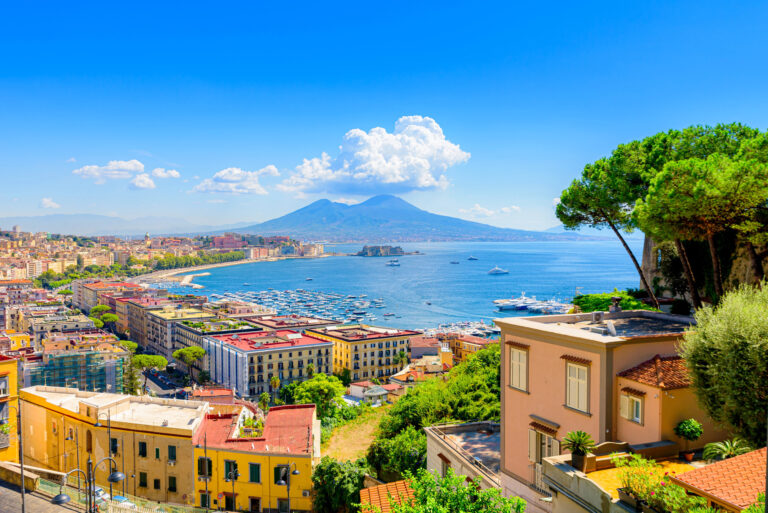
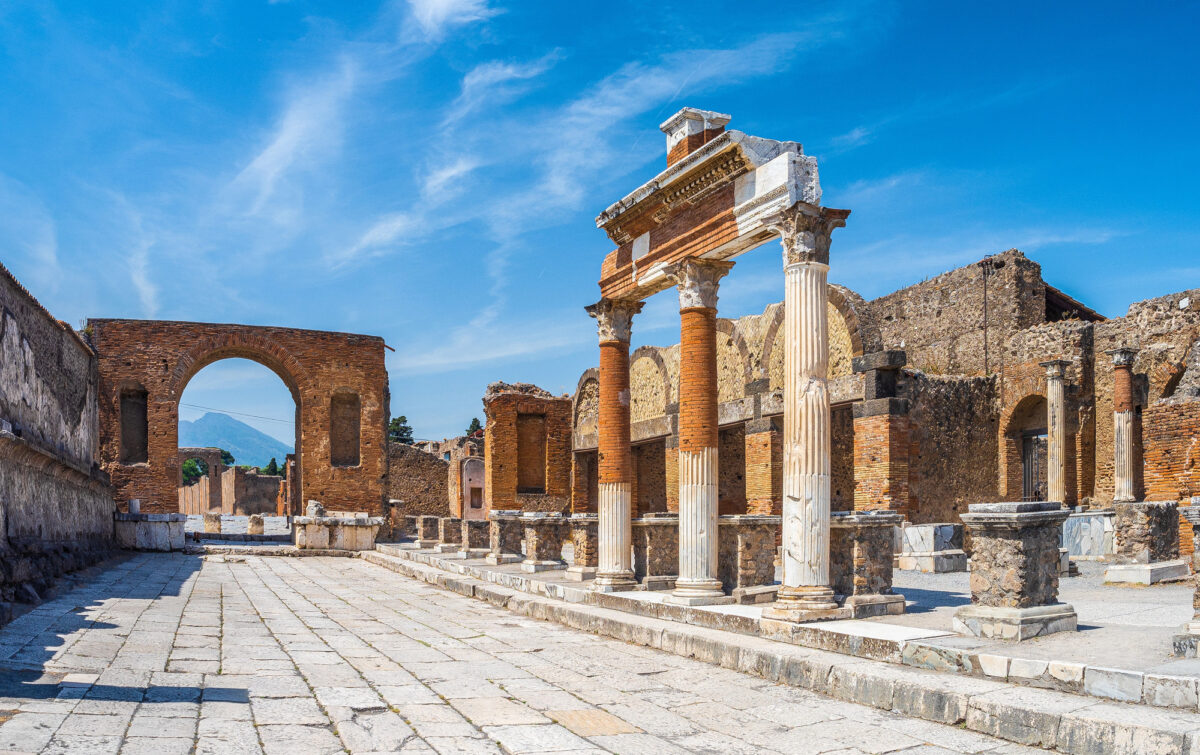
Visiting Pompeii and Vesuvius is one of the few things in travel that lives up to the weight of its own reputation. You walk in past the ticket gate and within a minute you are standing in a Roman street, with kerbs, doorways, shopfronts and the ruts of cart wheels still in the stone. The mountain that ended it all sits on the skyline behind you, close enough that the whole story arranges itself in a single view. For an Australian who has flown to the other side of the world, this is the sort of place that justifies the distance on its own.
Pompeii was not a village. It was a prosperous town of tens of thousands of people, with restaurants, bathhouses, brothels, bakeries and grand private houses, and it stopped in the space of two days in AD 79 when Vesuvius erupted and buried it under metres of pumice and ash. Nothing was rebuilt on top of it. That is why it survives in a way no other Roman town does.
What you actually see on the ground
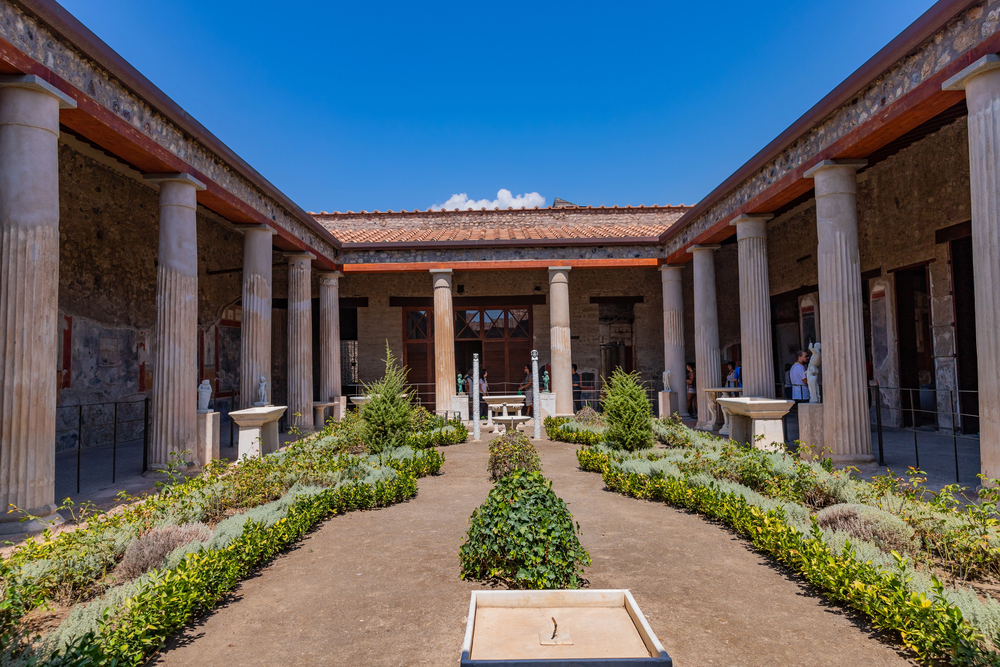
The scale surprises most first-time visitors. This is not a compact ruin you circle in half an hour. It is a walled town with a street grid, and you can spend most of a day in it without covering everything. The main axis runs from the forum out towards the amphitheatre, with the residences, workshops and eating houses opening off it on either side. Some are roped off, some you can walk into, and the frescoes and mosaics in the better houses are startlingly bright for their age.
Excavation has been going on here since 1748 and it has never really stopped. On any given day there are people at work with brushes and trowels in one corner of the site or another, which is part of the appeal. You are not looking at a finished monument. You are looking at something still being lifted out of the ground.
Practical notes for the walk
Wear proper shoes. The Roman paving is uneven, the stepping stones set into the crossings are high, and there is very little shade in the open sections. Take water, take a hat in the warmer months, and give yourself longer than you think. Most people underestimate the site and end up rushing the far end.
The casts
The plaster casts are the part nobody forgets. When the ash and scoria hardened around the bodies of those who did not escape, they left voids. Excavators worked out that pouring plaster into those cavities produced a cast of the person in the position they died in. Several are displayed on the site, and they change the temperature of the visit completely. Up to that point you are admiring architecture. After that you are somewhere people lived and died on an ordinary day that turned.
As Sam put it while looking at them, these were people living a normal life until the mountain blew. It is worth allowing a quiet few minutes for that section rather than filing past.
The amphitheatre and the far end of the site
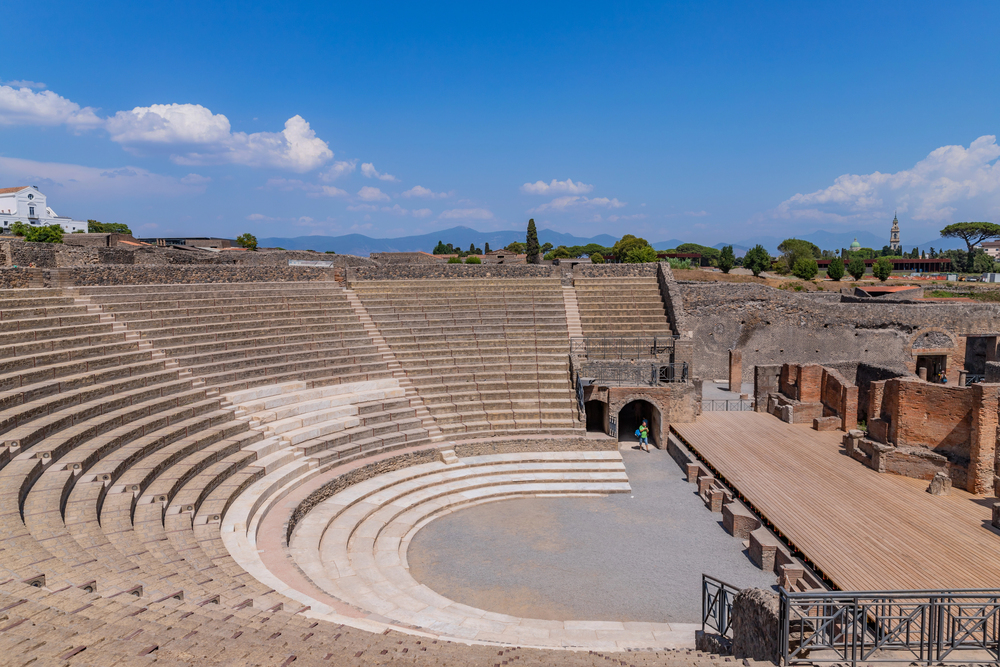
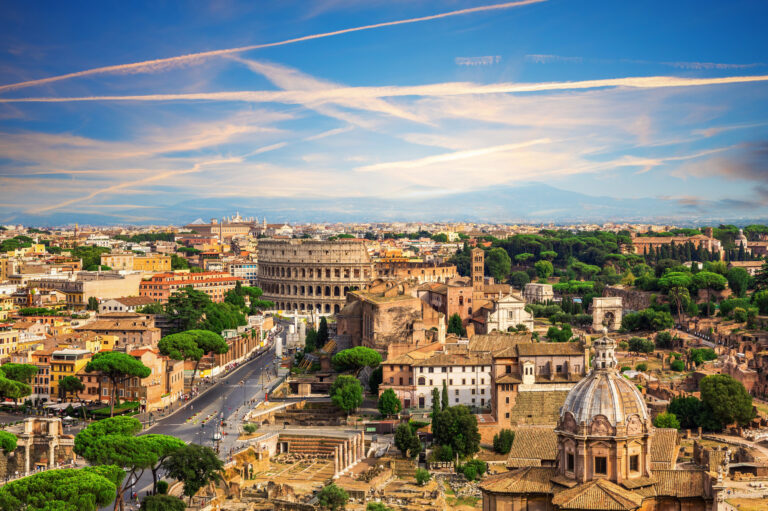
Right at the eastern end of the town is the amphitheatre. It is smaller than the Colosseum in Rome and considerably older, and it is often much quieter than the forum area because plenty of visitors turn back before they reach it. Sitting on the stone tiers with the whole excavated town spread out behind you and Vesuvius beyond is the single best perspective on the place. Do not skip it because your legs have had enough.
Visiting Pompeii and Vesuvius as one trip
The town and the mountain belong together, and many travellers pair them across two days. Vesuvius is a national park, and from the upper car park a walking track climbs to the crater rim, where you can look down into the cone and back over the Bay of Naples. It is a straightforward walk rather than a climb, but it is exposed and the surface is loose volcanic gravel, so shoes matter here too.
Vesuvius is not extinct. Its most recent eruption was in 1944, and standing on the rim with the buried town below is a useful reminder that this is a living volcano with a very large population living around it.
When to go and how it fits a wider Italian trip
Spring and autumn are the sweet spot. The site is largely open to the sky and high summer here is genuinely punishing, while the shoulder seasons give you comfortable walking weather and thinner crowds. Whatever the season, an early start beats a late one, both for the light and for the temperature.
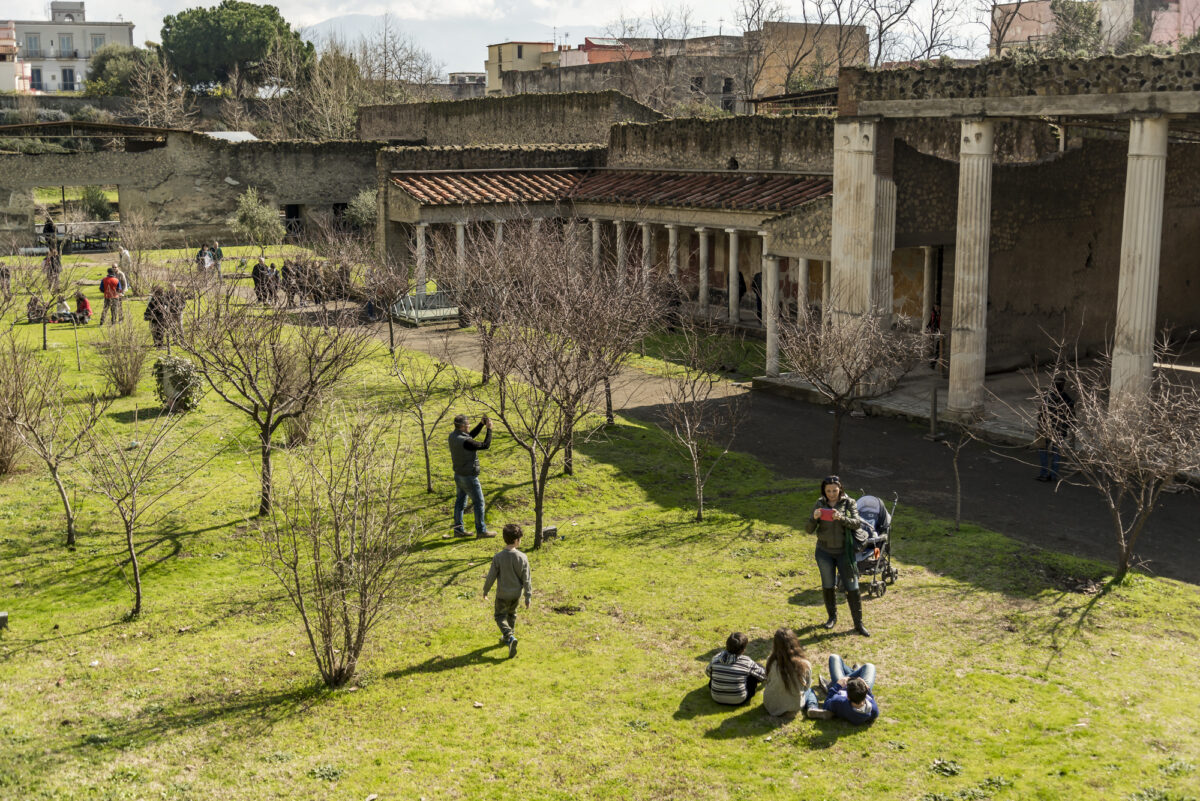
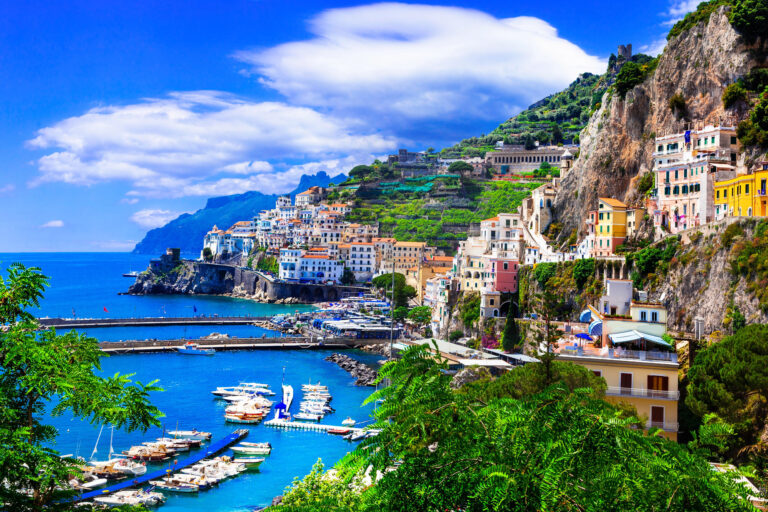
Pompeii sits neatly between Naples, Sorrento and the Amalfi Coast, so it slots into a southern Italy itinerary without a detour. A common shape is a few days based on the coast, with one day for the excavations, one for Vesuvius, and time left over for Herculaneum, which is smaller and better preserved. From there the route continues north to Rome or across to Puglia, and for Australians already making the long-haul journey, adding these few days to a broader European trip costs very little and returns a great deal. It is exactly the kind of thing worth planning properly rather than squeezing in as a coach day trip.