Visiting Chora Sfakion, Crete, is one of those trips where the getting there is half the story. The road drops out of the White Mountains in long, patient switchbacks, the landscape turns bare and enormous, and then a small white harbour appears far below with nothing beyond it but the Libyan Sea. There is no through road. The coast west of here has no road at all. You arrive because you meant to, and that is exactly what makes it worth the effort.
Why visiting Chora Sfakion, Crete rewards the drive
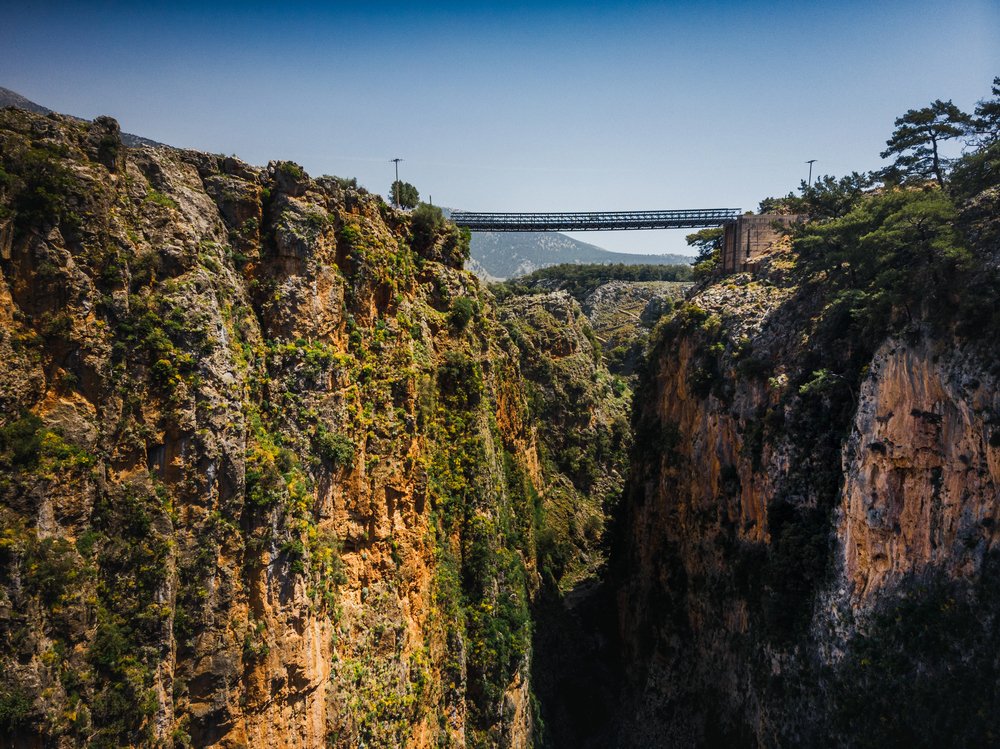
Sfakia is the wildest corner of an already wild island. The region sits under the Lefka Ori, the White Mountains, and its villages have a long reputation for independence and for outlasting whoever happened to be occupying Crete at the time. The drive south from the Chania side climbs through the Askifou plateau and then descends past the mouth of the Imbros Gorge, a sequence of views that would be the highlight of most holidays and is merely the approach here.
The town itself is small. A curve of harbour, a run of buildings stacked up the slope behind it, a pebble beach, and the mountain wall rising straight out of the back of it all. It is the sort of place where you can see the whole settlement in ten minutes and then happily stay three days.
The war memorial above the harbour
Chora Sfakion carries real weight for Australian and New Zealand travellers. After the Battle of Crete in 1941, this harbour was the evacuation point for Allied troops who had fought their way south over the mountains. Thousands were taken off by ship from this beach across several nights. Many more did not make it out and were left behind when the evacuation ended.
The memorial on the waterfront records that, and it is one of the few places in Europe where you will see the Australian flag flying alongside the Greek. It takes a couple of minutes to read and it quietly reframes the rest of the day. Sam noted the pride of standing there, and how rarely you see our flag raised beside another country’s so far from home.
Ferries along a coast with no road
The reason a town this remote has a car park full of coaches is the ferry terminal. West of Chora Sfakion the coastline is too steep for a road, so the boats are the road. From here you can reach the tiny car free village of Loutro, the beaches below the cliffs, and Agia Roumeli at the sea end of the Samaria Gorge, which is why so many walkers finish their hike here and catch a boat back. Services continue west toward Sougia and Palaiochora, and south to the island of Gavdos, the most southerly point in Europe.
That makes the town a hub rather than a dead end. Plenty of visitors come down for the day on a bus, take a boat somewhere, swim, eat, and leave again in the afternoon. Stay the night and you get the harbour to yourself once the coaches have gone.
Swimming, eating and the strip along the front
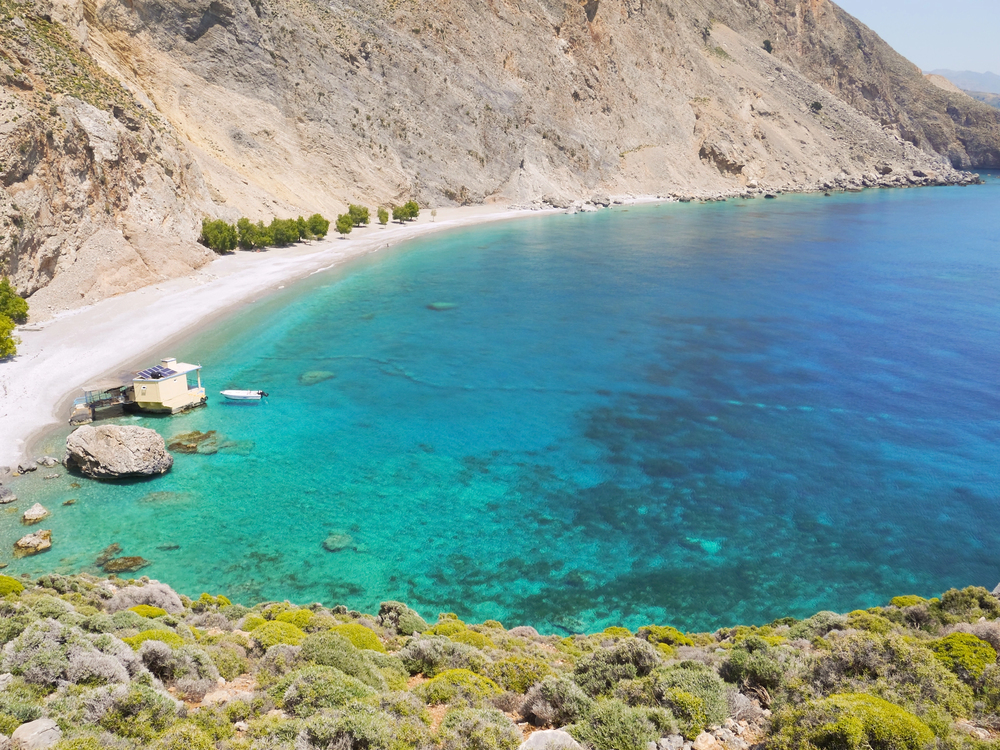
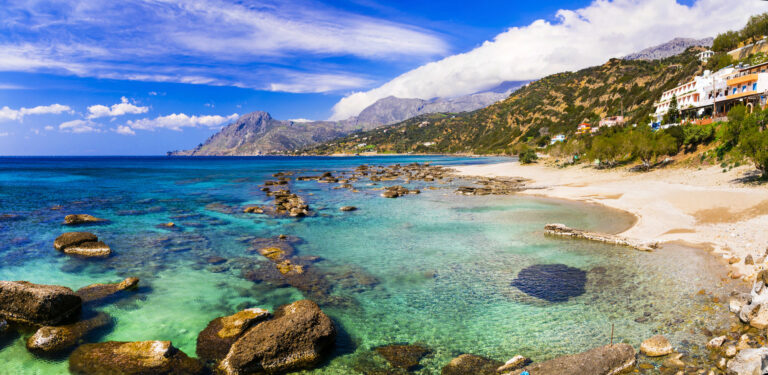
The water here is startlingly clear, deep blue a few metres out and glass over the stones close in. This is the Libyan Sea, not the Aegean, and on a clear day there is genuinely nothing between you and North Africa. Shaded tables sit right along the front, one restaurant after another, so the routine of a swim followed by something cold at a taverna table takes about thirty seconds to organise.
Keep half an eye out as you walk it. Cars still thread along the same narrow strip between the tables and the sea, in spaces that look far too tight for them, and they do it with the confidence of people who have been doing it for decades.
When to go and how it fits a wider Crete trip
Late spring and early autumn are the sweet spot. The sea is warm enough from June through to October, while May, September and early October bring softer temperatures for the mountain driving and the gorge walking that make this part of Crete special. High summer is hot and bright down on the south coast, with real heat radiating off the rock, so plan swims and shade around the middle of the day.
Most travellers reach Sfakia from a base in Chania and treat it as a long day trip, which works, but one or two nights turns it into something better. Pair it with the Samaria or Imbros gorges, a boat to Loutro, and a slow drive back over the plateau, and you have the strongest few days on the island. If you are building a wider Greek itinerary, the south of Crete slots in well after the Venetian harbour towns of the north coast and before any hop across to the islands.
It is a corner of Europe that takes a bit of arranging to get right, and that is precisely the sort of planning we enjoy, matching the drives, the ferry times and the overnight stops so the remote parts feel effortless rather than fraught.