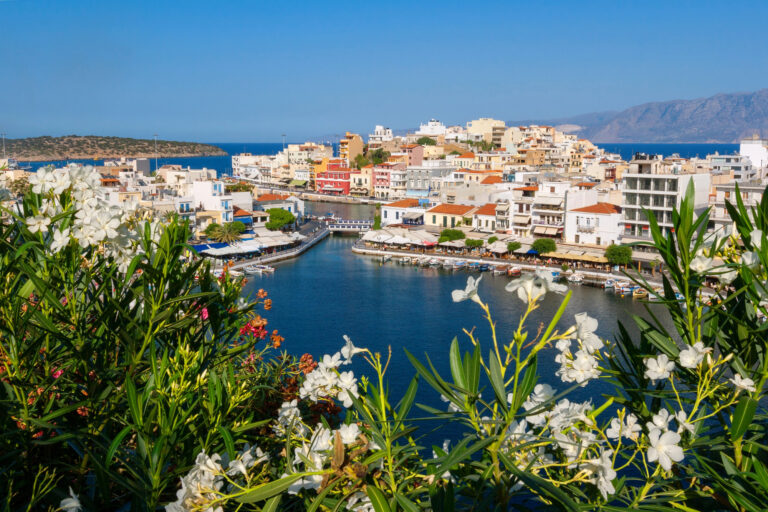
Most travellers meet Crete at its eastern resorts and never drive far enough west to find the other half of the island. Visiting Kissamos in Crete corrects that. It sits at the head of a wide bay on the north-west coast, an hour or so past Chania, and it is first and foremost a working port, a place where fishing boats, day boats and full-sized ferries share the same stretch of concrete. The town does not perform for visitors. It simply gets on with the business of the sea, and that is exactly what makes a day here feel like the real Crete rather than a version arranged for arrivals.
Sam Newman spent part of his European trip on this coast, and the picture he sent back was a simple one, a coffee in the sun on a floating bar at the edge of the harbour while the boats loaded behind him.
Why visiting Kissamos in Crete is worth the drive
The road west out of Chania narrows as the island does, olive terraces on one side and the Gulf of Kissamos on the other. What you arrive at is a small town with a proper harbour, a handful of tavernas built out over the water, and an unhurried main street a short way inland. There is no crush of souvenir shops, no line of identical loungers. It is the sort of place where you park, walk to the end of the jetty, and work out your plans from there.
Kissamos is also the gateway to two of the most photographed places in Greece, which is why a town this modest can have a car park full of coaches by mid-morning. The buses come, the passengers file onto the ferries, and by lunchtime the port has handed itself back to the locals.
Balos and Gramvousa
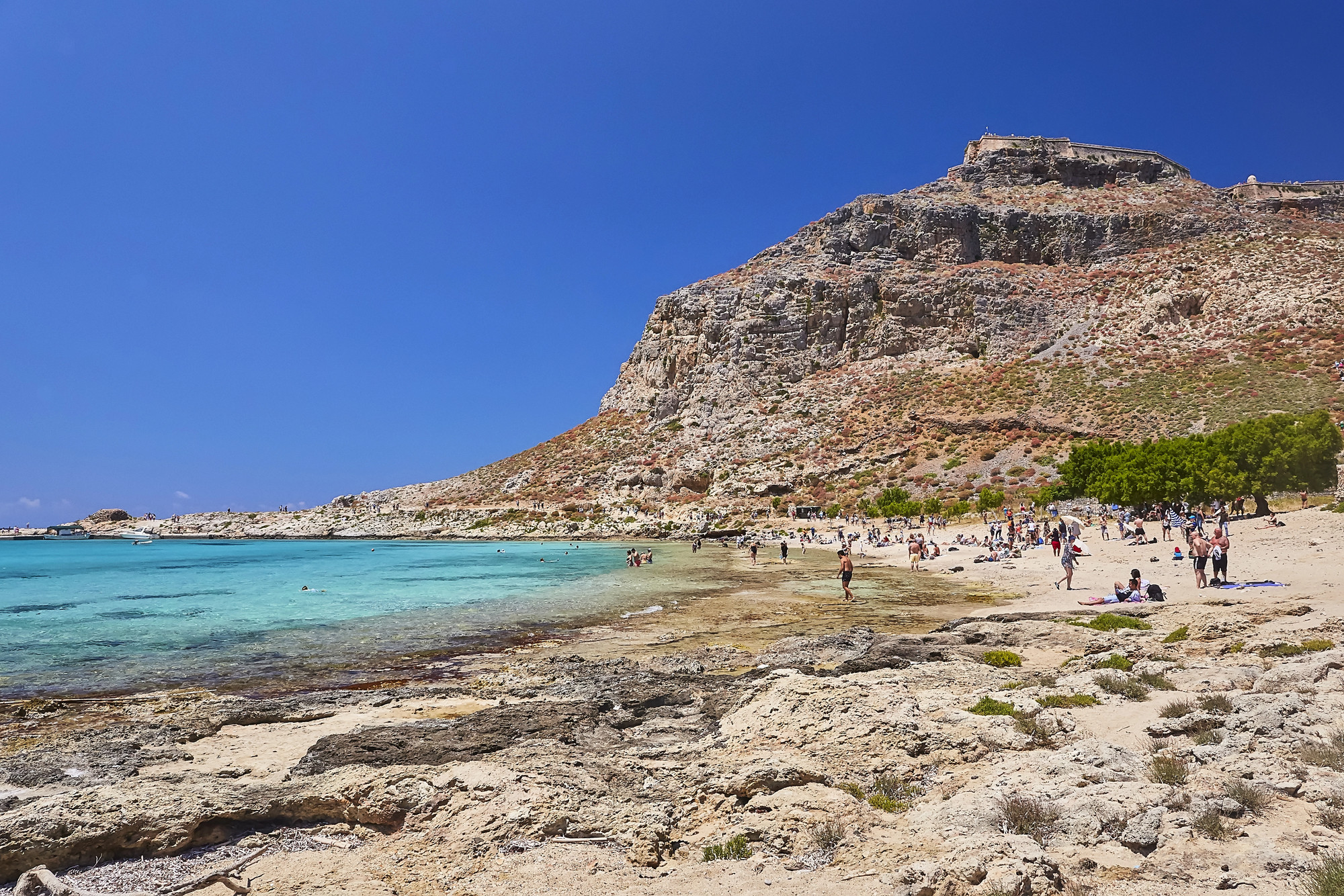
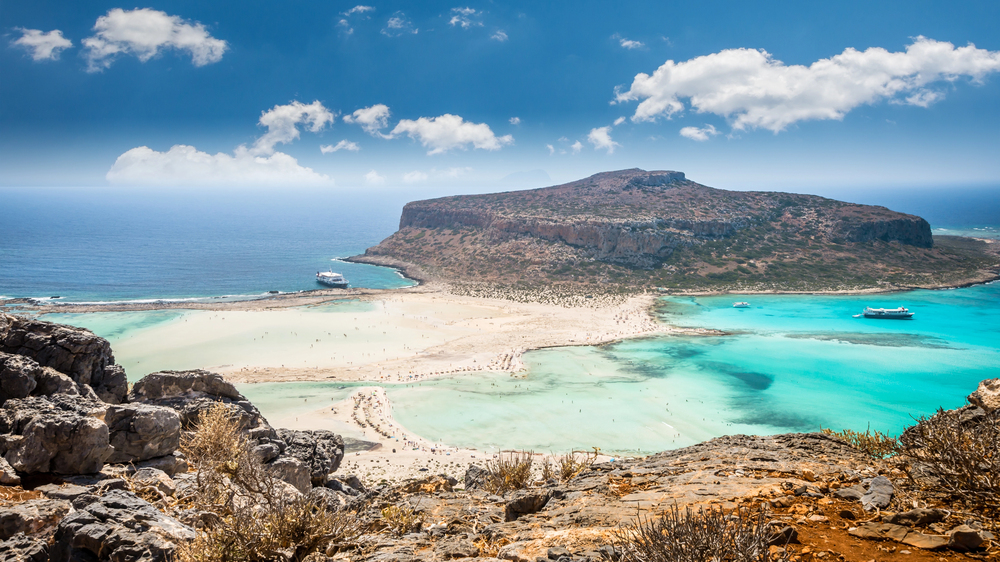
The boats from Kissamos head around the Gramvousa peninsula to Balos lagoon, a shallow bowl of pale, almost luminous water where a sandbar separates the lagoon from the open sea, and to Gramvousa, the islet crowned by a Venetian fortress with a long history of pirates and sieges. Balos can be reached by road as well, but the final stretch is a rough, unsealed track and then a walk down, so the ferry is the easier option for most people.
There is one practical thing worth knowing. The exposed side of the peninsula catches the wind, and the sea can turn choppy in the afternoon even on a bright day. Sheltered water is found on the lee side, at the top end of the island, which is precisely where the good swimming is. Go early, take the crossing when the sea is calm, and treat a windy afternoon as a sign to stay ashore rather than something to push through.
Lunch on the jetty
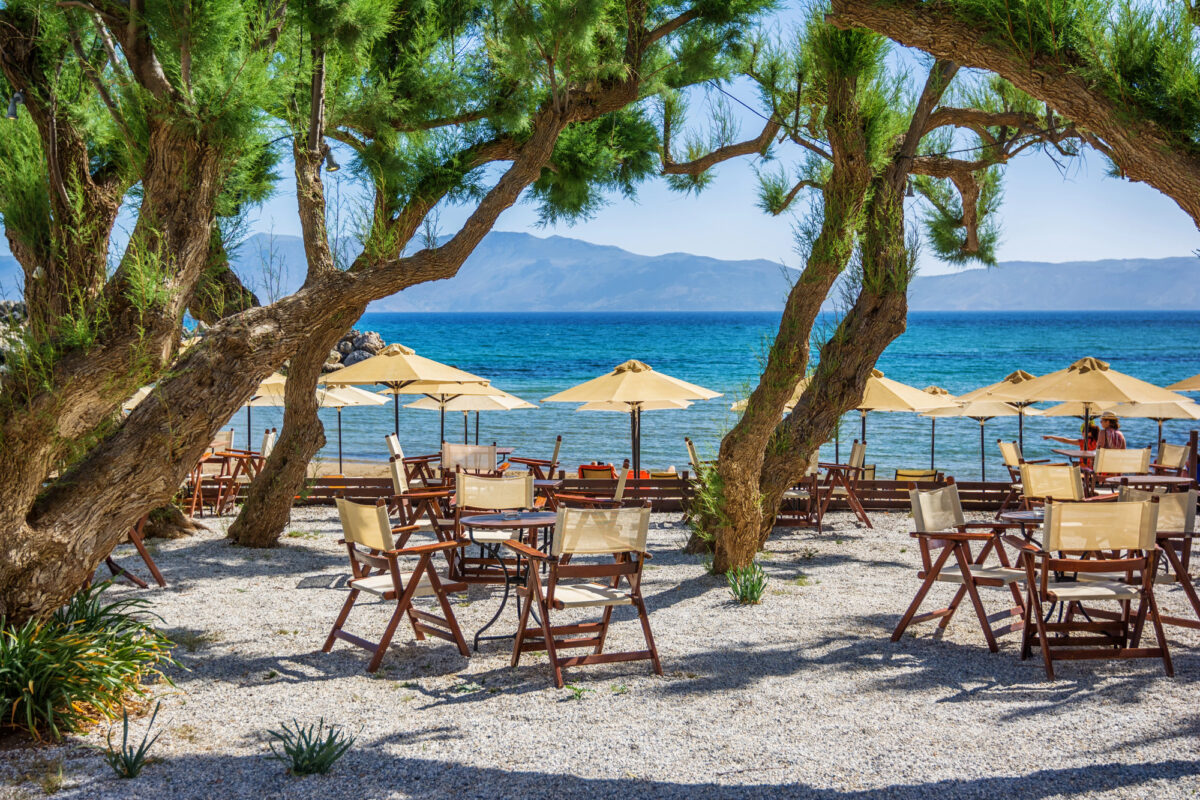
The tavernas along the Kissamos waterfront do what harbour restaurants everywhere should do and rarely manage, which is serve what came off the boats. A shared plate of mixed seafood and a Greek salad, eaten at a table close enough to the water to watch a ferry warp off the wharf, is one of the great uncomplicated pleasures of western Crete. Sam did exactly that after deciding against a small private boat across to Balos, and it was, by his account, no consolation prize.
Away from the harbour, the wider region is known for its wine and its olive oil, and the villages in the hills behind the town are worth an hour of aimless driving if you have the car and the daylight.
Beaches nearby
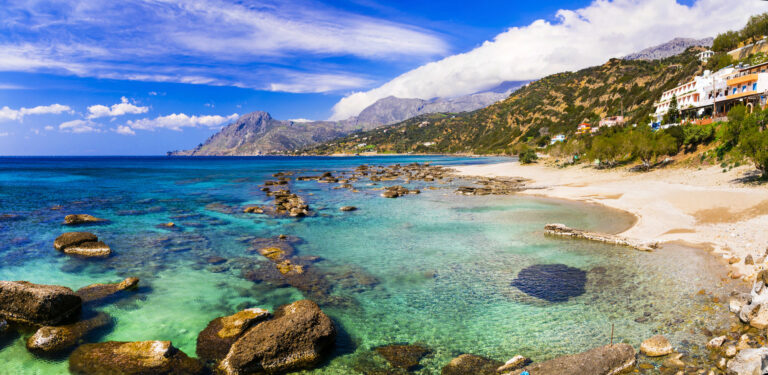
Falassarna, on the west-facing coast a short drive from town, is a long sweep of pale sand with genuine surf when the wind is up and famous sunsets when it is not. Closer in, the beaches either side of Kissamos itself are quiet, shelving and free of crowds for most of the season. This is a coast for swimming rather than for being seen.
The Souda Bay War Cemetery
Heading back east along the coast towards Chania, there is one stop that Australians should build into the day. At Souda Bay lies the Commonwealth war cemetery for the Battle of Crete in 1941, where more than fifteen hundred служ men and women are buried or commemorated. Among the British, New Zealand and unknown graves are close to two hundred Australians, most of them in their early twenties.
The grounds are immaculate, laid out in gardens that run down towards the water, with the hills rising behind and the bay a hard blue in front. There is a small chapel beside the rows for anyone who wants a moment of quiet, and a visitors’ book to sign. It is an unhurried, humbling half hour, and it puts the rest of the island in a different light.
When to go and how it fits a wider trip
Late spring and early autumn are the best windows for the west of Crete. The sea is warm enough to swim, the boats to Balos and Gramvousa are running, and the coaches that fill the port in high summer are fewer. Midsummer works if you start early and accept the heat, while winter closes much of the boat traffic down and turns Kissamos back into a purely local town.
Kissamos sits well as part of a slow loop through western Crete, with Chania as a base for a few nights, the Souda Bay cemetery on the way through, a day on the boats from the port, and time left over for Falassarna or the gorges inland. Add it to a wider Greek itinerary with a few days in Athens and one other island and you have a trip that balances the ruins, the beaches and the parts of the country that most visitors drive straight past. That balance is what we build into every tailored itinerary, shaped around how much driving you want to do and how much of each day you want left unplanned.