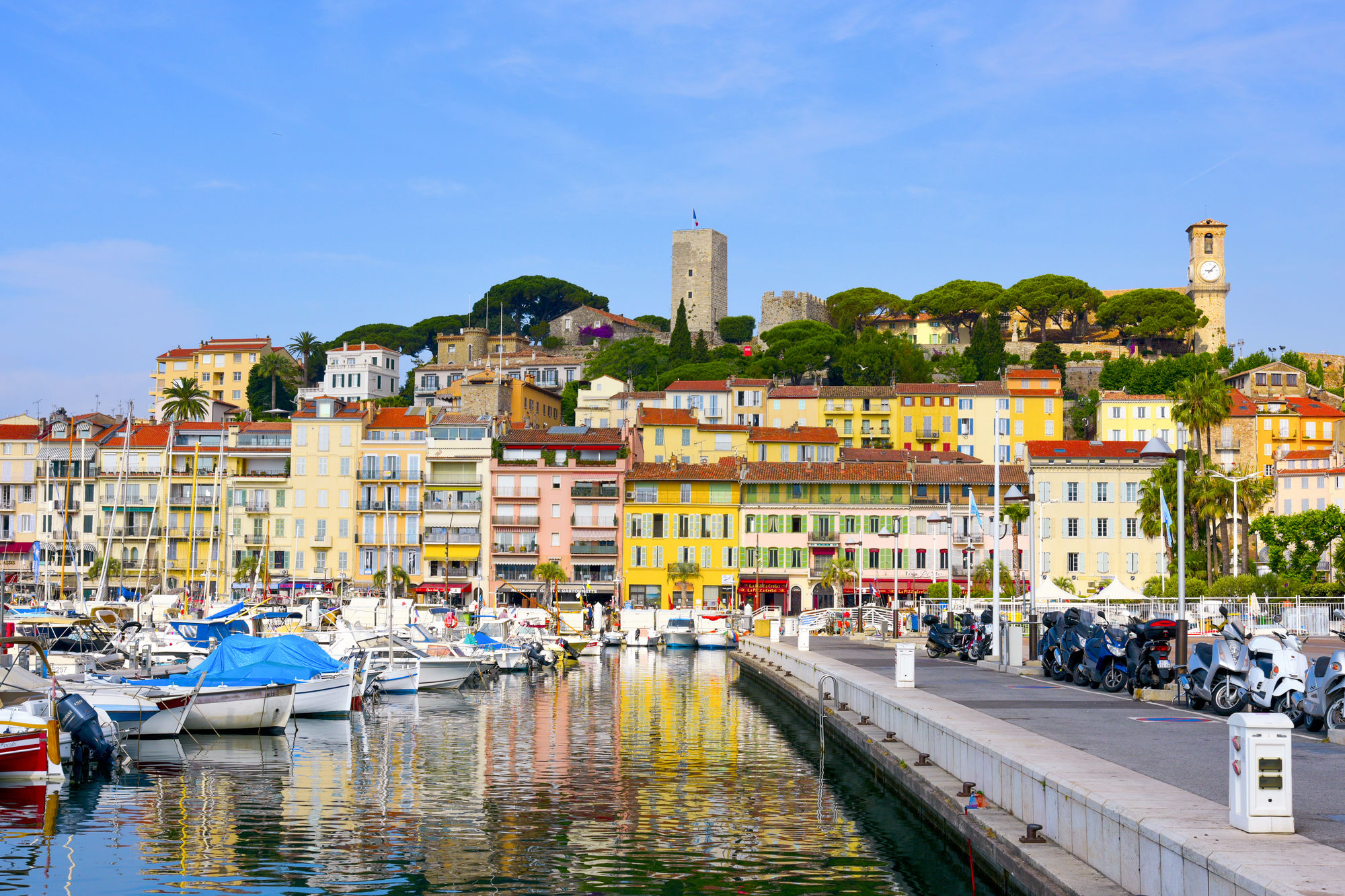
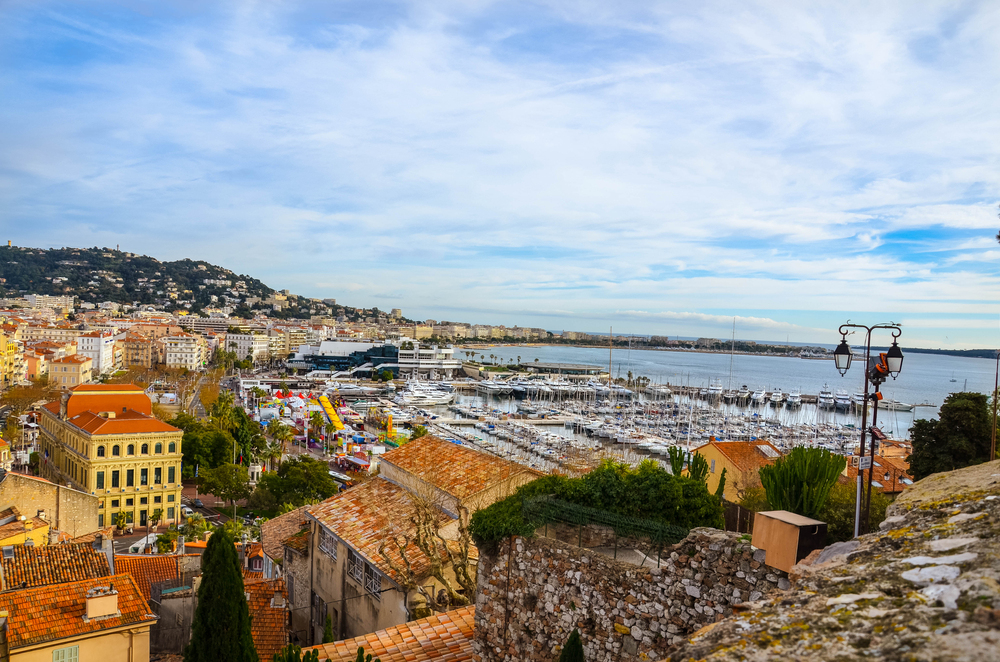
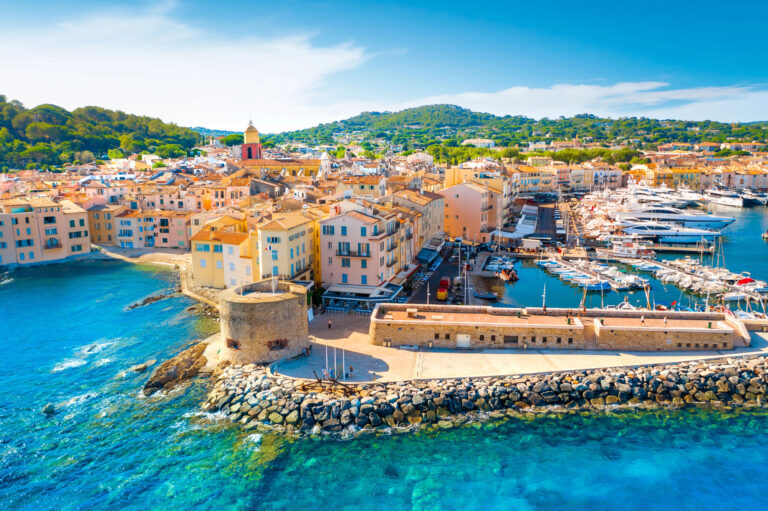
Spend a day in Cannes and you understand quickly that the French Riviera is not shy about what it is. The sea is a hard blue, the yachts in the bay are the size of small apartment blocks, and the main boulevard is lined with shop windows that most people are there to look at rather than buy from. It is a town built for wandering, and for an Australian who has flown a very long way, it delivers the Mediterranean at full volume within a few hundred metres of walking.
Sam Newman spent part of his European trip on this stretch of coast, and Cannes is one of those places that rewards exactly the way he approached it: no fixed plan, no ticking of boxes, just a slow lap of the waterfront with time to stop when something catches the eye.
What a day in Cannes actually looks like
The spine of the town is the Boulevard de la Croisette, a wide seafront promenade with the beach and the bay on one side and the grand hotels and luxury houses on the other. Leonard, Berluti, Celine, Bottega Veneta, Armani, Saint Laurent, Omega, Fred, Gucci, Dior, Tommy Hilfiger, they are all here, most within a comfortable stroll of each other, along with a run of jewellers that would not look out of place in a museum.
You do not need to spend a euro to enjoy it. Sam and his travelling companion had a very good time simply reading the price tags in the Gucci window, then found a gold Dior bicycle with white wall tyres parked outside a boutique, one of only a handful made, and were told it would go for something like 100,000 euro. The theatre of the street is free.
Behind the Croisette the town gets more human. Side streets, ordinary cafes, delivery vans, garbage trucks holding up a line of very expensive cars while nobody much loses their temper. Sam noted that the French seem to take that sort of thing with more patience than a Melbourne laneway would, and he is not wrong.
The Palais des Festivals
At the western end of the Croisette sits the Palais des Festivals et des Congrès, the building where the Cannes Film Festival is held each year. It is more functional than beautiful up close, but the red carpet steps out the front are among the most photographed in the world, and there is a real pleasure in standing on them when the crowds are not there. Security around the building is taken seriously, so treat filming and photography with a bit of common sense.
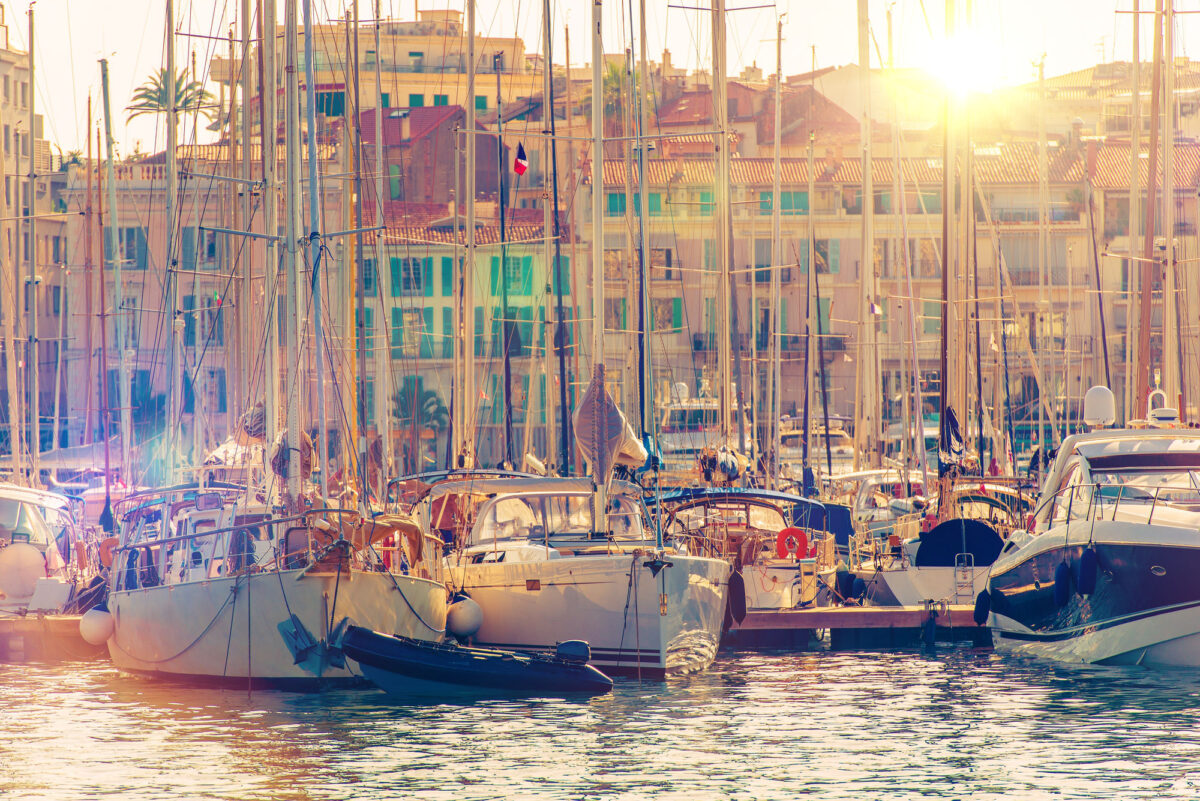
Nearby, the old port is full of tenders ferrying crews to and from the mega yachts lying offshore, and the ferries to the Îles de Lérins leave from here for anyone who wants pine trees and clear water instead of shopfronts.
The Carlton and the grand hotel tradition
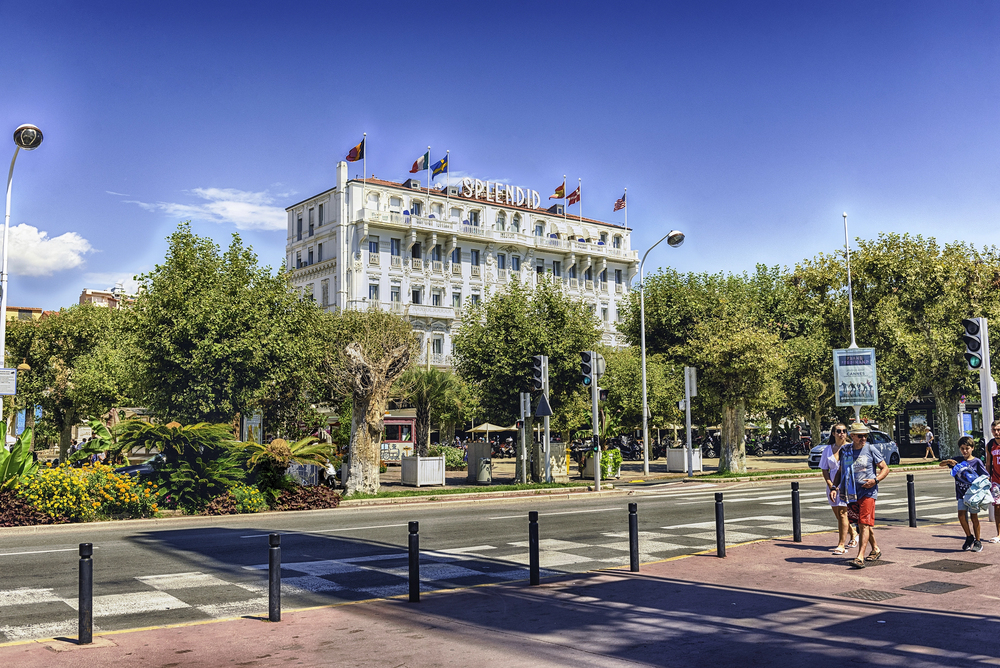
The Carlton has stood on the Croisette since Cannes first became an international name, and Sam has been taken there on a previous visit. Even if you are not staying, the grand hotels along this strip are part of the fabric of the place, and a drink or a meal in one is a legitimate way to spend an hour watching the town go past. Nothing to do with the football club of the same name back in Melbourne, as Sam was careful to point out.
How the Riviera does a beach
This is where Cannes differs most sharply from home. In front of the hotels the sand is divided into private beach clubs, each with its own name and its own patch, and the umbrellas run in numbered rows as far as you can see. Your lounger is numbered, your umbrella is numbered, waiters work the lanes, and the whole thing is organised with a precision that Sam described as regimented beyond belief. Some clubs run private jetties out over the water with a ladder at the end, so you can swim without crossing the sand at all.
It is not free. The clubs charge for the day, and the better the position the more it costs. There are public sections of beach as well, and no obligation to join in, but if you want the full Riviera set piece, this is it.
Getting around
Cannes is walkable and best treated that way. If you are driving the coast, expect narrow streets, traffic that stops dead behind a delivery truck, and service stations that are often unattended pumps in a car park rather than anything resembling a full service station at home. Park once, walk the rest, and save the car for the corniche roads between towns.
When to go and how it fits a wider trip
Late spring and early autumn are the sweet spots. The sea is swimmable, the light is at its best, and the town is busy without being impossible. May brings the film festival and with it the biggest crowds and the tightest accommodation on the coast, so plan around it rather than into it unless that is precisely what you have come for. High summer is hot and full. Winter is quiet, mild and surprisingly pleasant if shopping and long lunches are more your thing than swimming.
Cannes works beautifully as a base or as a stop. Nice, Antibes, Saint Paul de Vence and Monaco are all close, and the Grand Prix pulls the whole coast into its orbit when it is on, as Sam found. From here you can carry on west into Provence or east into Italy without a long day behind the wheel.
Sam mentioned on camera that Dave and Elsa at Cartier World Travel were assisting with his tour, and this is exactly the kind of coast where that help earns its keep. Getting the timing right, the base right and the drives short is the difference between a glossy few days and a fortnight of parking problems. If the Riviera is on your list, talk to us in Ballan about how to shape it around the rest of your Europe.