
Why Lisbon rewards the time you give it
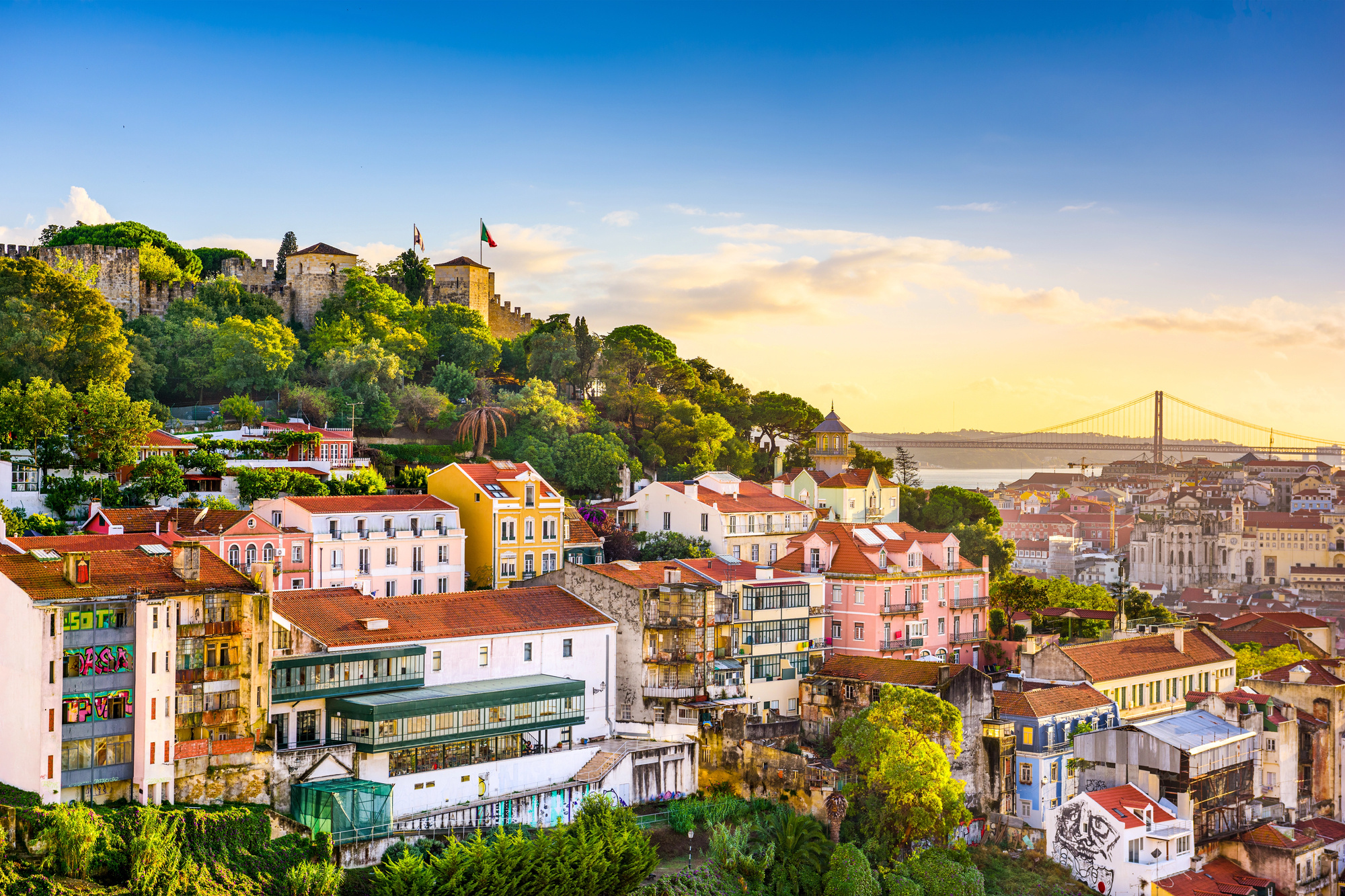
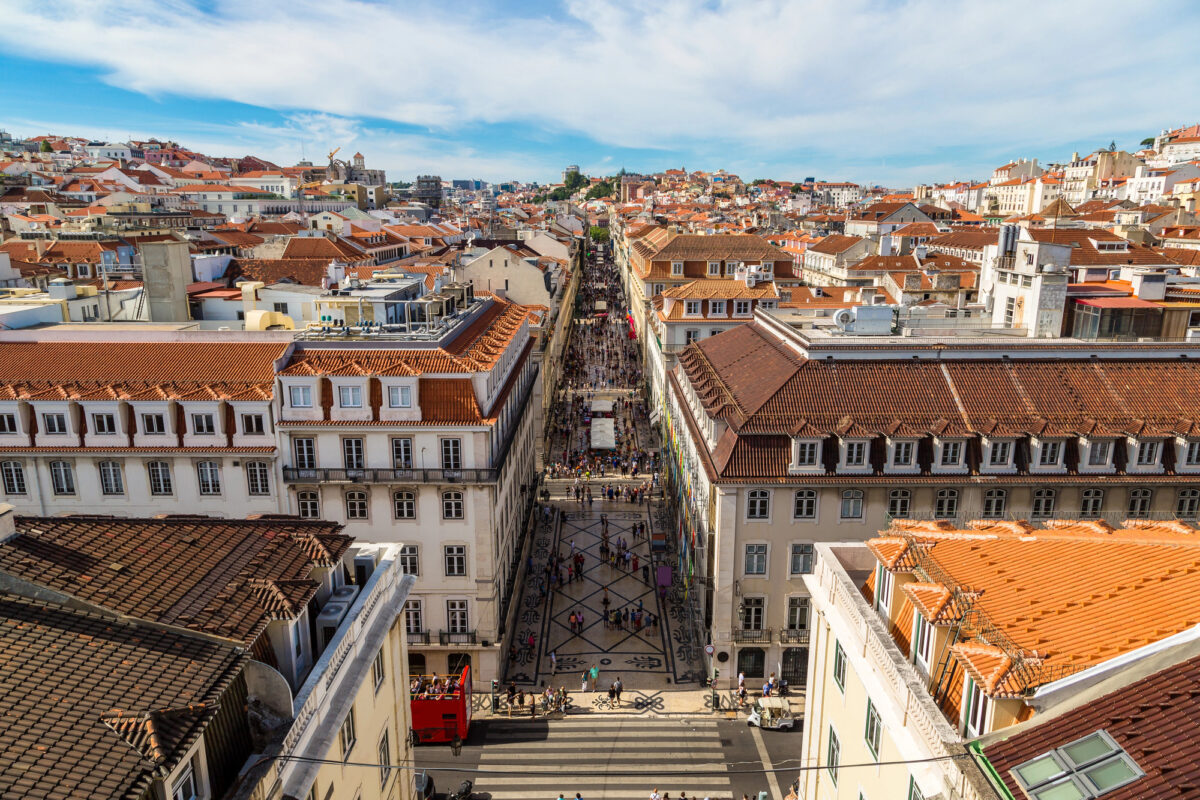
A Lisbon Trip- Portugal's City of Light, Tiles and Tram Bells. Lisbon sits on seven hills above the mouth of the Tagus, faced in patterned azulejo tiles and crossed by yellow trams that climb gradients most Australian suburbs never attempt. Every few hundred metres a street opens onto a terrace looking over terracotta roofs to the river.
It is also an easy city to be in. Portugal is affordable by Western European standards, the food is unpretentious and very good, and Lisboetas are patient with visitors. For Australians arriving at the end of a long haul, it makes a gentle place to start a European trip.
The layering is what sets it apart. The 1755 earthquake flattened the lower town, which was rebuilt on a grid of wide avenues and arcaded squares, while the hills either side survived. You can walk out of eighteenth century Baixa and into medieval alleys within ten minutes.
Sam Newman filmed a day out in Lisbon during the European trip Cartier World Travel helped arrange, and it is the sort of city that suits that approach: a base, a loose plan and enough time to let the place come to you.
What you do on a Lisbon tour
Old quarters and trams
The oldest parts of the city are best walked downhill, from near São Jorge Castle towards the river, past the Lisbon Cathedral and small squares where locals sit out in the evening. Fado, the city’s melancholy folk music, is worth hearing properly at least once, in a small room rather than a dinner show.
Tram 28 runs on vintage carriages through Alfama, Graça and Estrela. It is crowded and well known, and still worth doing early in the day when you can get a seat.
Belém and the age of discovery
A few kilometres west along the river, Belém holds the monuments Portugal built from the wealth of its sea voyages. The Belém Tower sits out in the water and the Monument to the Discoveries looks towards the ocean. Belém is also where the original pastel de nata recipe comes from, served warm with cinnamon and icing sugar.
Eating and drinking
- Grilled sardines, salt cod done a dozen ways, and clams with garlic and coriander
- The Time Out Market in Cais do Sodré, where many of the city’s better kitchens run stalls
- Ginjinha, the sour cherry liqueur sold by the small glass in the old town
- Miradouros, the public viewpoints across the hills, best in the hour before sunset
The practical shape of a visit
Give Lisbon three full days at a minimum, four or five if you want day trips. March to May and September to October bring warm days without the heat and crowds of a Portuguese August. Winter is mild and often clear, with far fewer visitors, though you will get rain.
Wear proper shoes. The footpaths are polished limestone cobbles that become slippery in the wet, and the hills are genuinely steep. The funiculars and the Santa Justa lift exist for a reason.
Pair Lisbon with what is close by. Sintra is forty minutes away by train, Cascais and the Estoril coast give you beaches and seafood lunches, Évora and the Alentejo offer Roman ruins and wine country, and Porto is under three hours north by fast train.
Plan it with us
Cartier World Travel builds Portugal itineraries around the way you like to travel, from where you base yourself in Lisbon to which day trips are worth the train fare. Call us on +61 3 5368 2572 or get in touch through the website.
Places to explore
Jerónimos Monastery
Landmark, UNESCO World Heritage siteThe high point of Manueline architecture, built on the spice wealth that followed Vasco da Gama's voyages. The church is free to enter, but the two storey cloister, carved with rope and coral motifs, is the reason to come. Da Gama lies inside the church door.
Book a timed cloister ticket online well ahead and take an early entry slot, before the coach groups arrive.
Alfama district and its viewpoints
Neighbourhood walkThe lattice of lanes below the castle survived the 1755 earthquake, so this is the oldest Lisbon you can still walk through: washing lines, tiled facades and stairways that dead end at a front door. Fado spills out of the small houses after dark.
Walk it downhill in the last two hours of daylight, in grip soled shoes, as the calcada paving is slippery.
Sam Newman in Lisbon
Filmed on Sam's own trip through Europe, parts of which Cartier World Travel arranged.
Other stops on Sam's journey
Lisbon
Tell us roughly when and for how long. We build the rest around you, the way we built Sam's.