There are volcanoes that look better from a distance, and then there is this one. Climbing Mount Vesuvius is one of those rare travel experiences where the geography, the history and the view all land in the same moment: you stand on the rim of a crater that erupted in 79 AD, look down over the Bay of Naples, and see the ruins it buried spread out on the plain below. For Australians who have come a very long way to be in southern Italy, it is a morning that earns its place in the itinerary.
Vesuvius is not a distant curiosity. It sits within sight of a city of nearly a million people, on a bay lined with towns, and it last erupted in 1944. It remains an active volcano, and that fact is impossible to forget once you are standing on the loose grey gravel at the top.
What climbing Mount Vesuvius actually involves
Vehicles can only take you so far. Buses and shuttles wind up through the national park to a car park high on the flank of the mountain, and from there the summit is yours to walk. As Sam put it while looking up at the rim from the drop-off, it is about a kilometre up, on a track that feels close to a 45 degree incline in places.
The path is a series of wide gravel switchbacks, well made and clearly marked, but genuinely steep and almost entirely without shade. There is nothing technical about it. It is simply sustained uphill work on a loose surface, with the reward arriving all at once when the crater opens up in front of you.
Practical notes worth knowing
Wear proper closed shoes rather than sandals, because the volcanic gravel gets into everything. Take more water than you think you need, and take a hat: the wind at the top can be strong and cold even when the walk up has left you overheated. If you have arrived by coach or shuttle, check the departure time before you start walking and give yourself a comfortable margin. The mountain also closes to visitors in poor weather, so it is worth building flexibility into your plans rather than pinning the climb to your only free morning.
The view from the crater rim
The crater is enormous, a broad bowl of grey and rust coloured rock with steam still working its way out of the ground in places. Rangers are stationed along the rim path and will happily point out landmarks, including the ruins of Pompeii on the plain below, which look impossibly small and close at the same time.
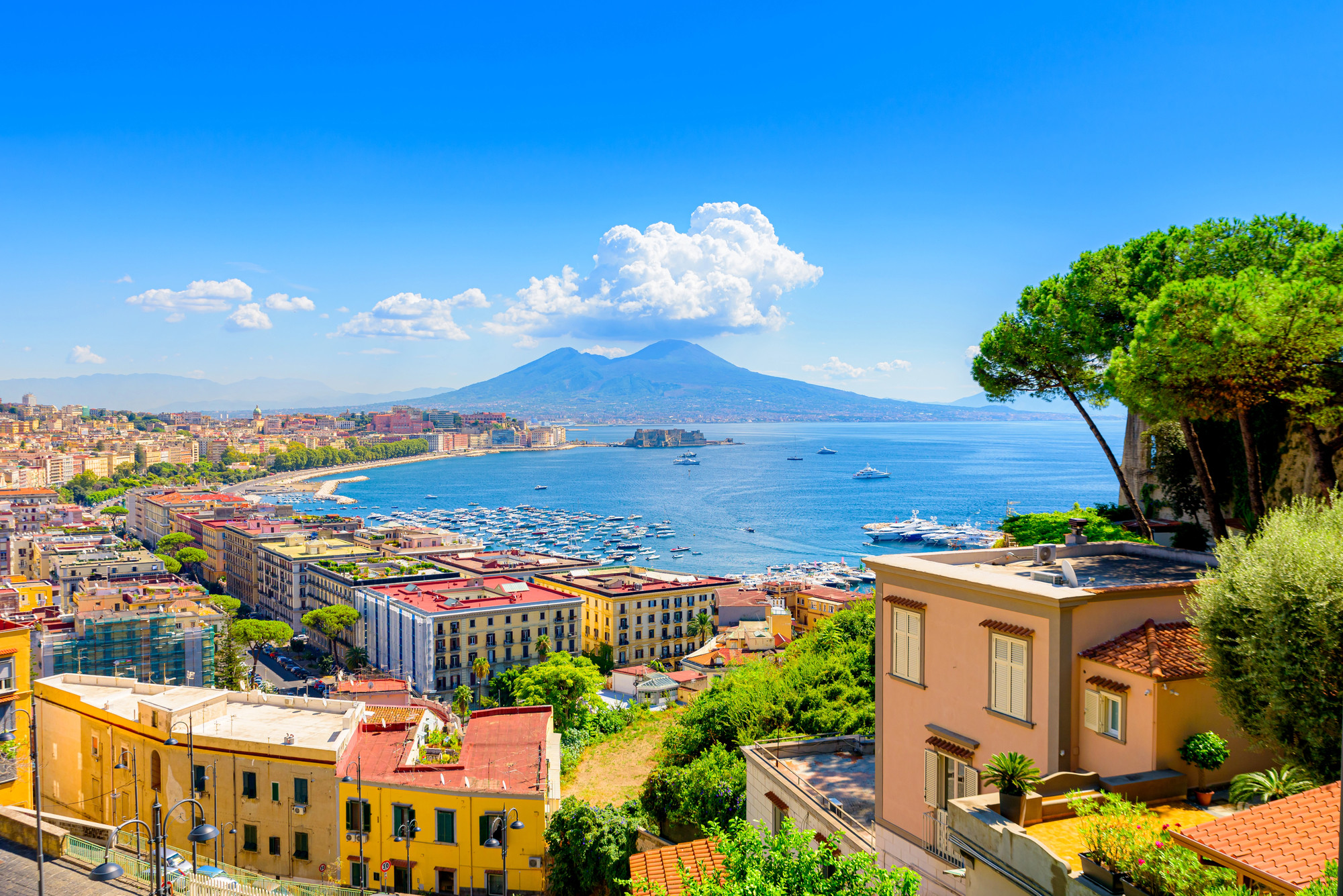
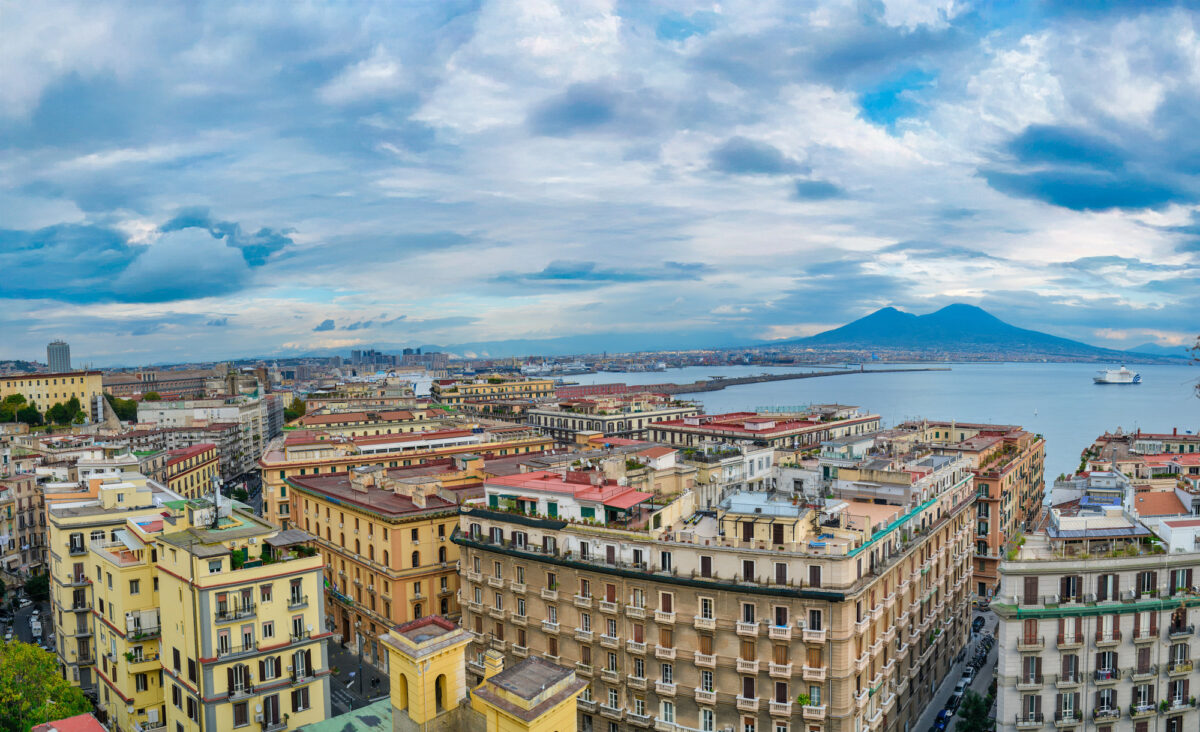
Turn the other way and you have the Bay of Naples: the city itself, the sweep of the coast, the islands offshore on a clear day. Standing there, the eruption of 79 AD stops being a chapter in a history book and becomes a matter of distance and direction. You can see exactly where the ash went.
What also stays with you is the crowd. On any given day the track carries walkers of every age and every level of fitness, taking it slowly, stopping often, getting there. It is not a climb reserved for the athletic.
Naples at the foot of the mountain
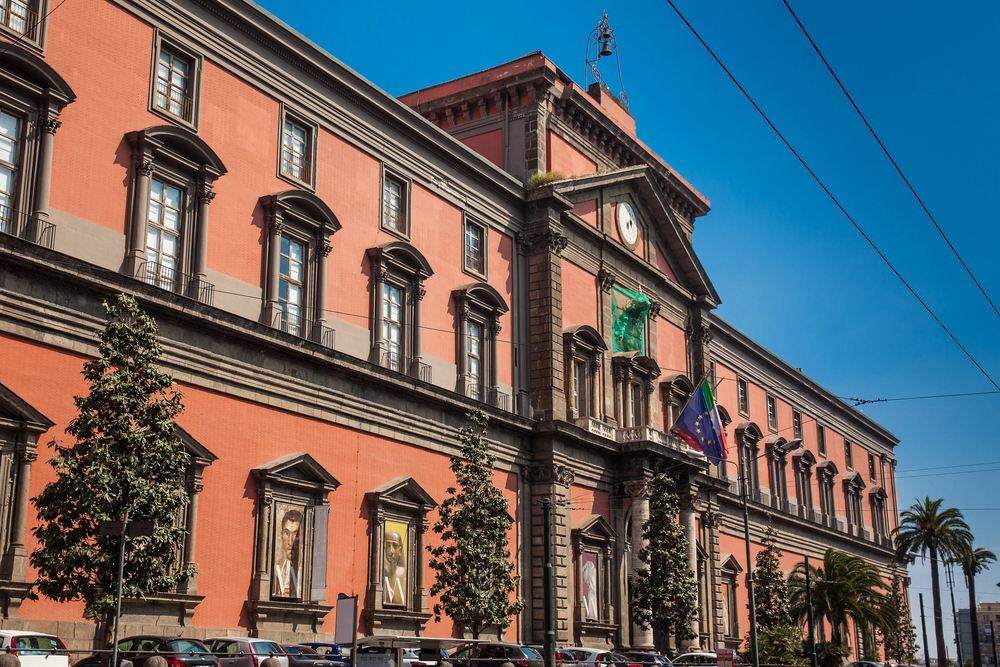
Vesuvius makes far more sense when you spend a few days in Naples rather than driving past it. This is a dense, loud, deeply characterful city, the birthplace of pizza, with a historic centre of narrow streets, layered churches and one of the great archaeological museums in Europe, where many of the finest objects recovered from Pompeii and Herculaneum are now kept.
Seeing the museum, the ruins and the volcano within the same trip is the ideal order of things in any combination. Each one explains the others.
Pairing the volcano with the buried towns
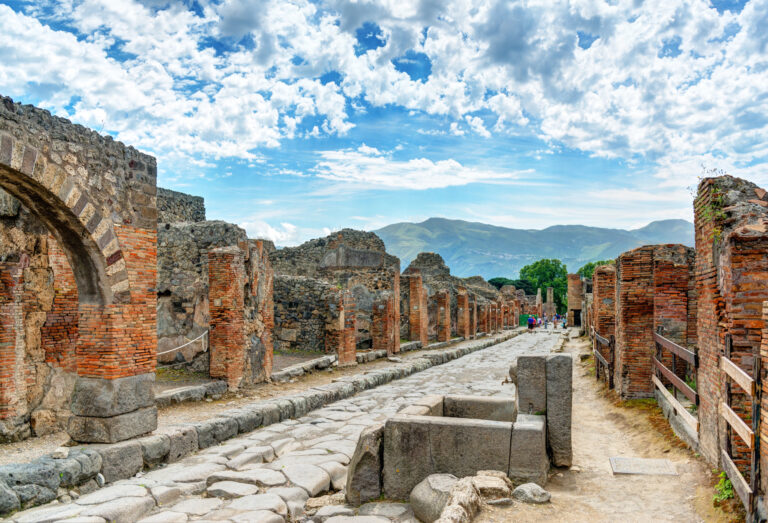
Pompeii is the famous name, and rightly so, with its streets, houses and public buildings preserved at remarkable scale. Herculaneum, closer to the mountain, is smaller and more compact but often the more affecting of the two, with timber, upper storeys and interior detail that survived in ways Pompeii’s did not.
Both sit on the same rail line out of Naples, and both are best tackled early in the day with a guide who can tell you what you are looking at. A morning on the volcano and an afternoon in the ruins is a long day but a coherent one, and if you have the time, splitting them across two days is kinder on the legs.
What Sam found on the way up
Sam Newman climbed to the crater rim on his current European trip, hat firmly on, and came back down with a view about travel more broadly rather than a view about volcanoes. It is a decent summary of why a morning like this is worth the effort.
When to go, and how it fits a wider trip
Spring and autumn are the sweet spot. The climb is exposed and unshaded, so the height of the southern Italian summer makes hard work of what is otherwise a very manageable walk, while the shoulder seasons bring cooler air, clearer views across the bay and fewer people on the track. Winter is quieter still, though weather closures are more likely and the wind at the rim is serious.
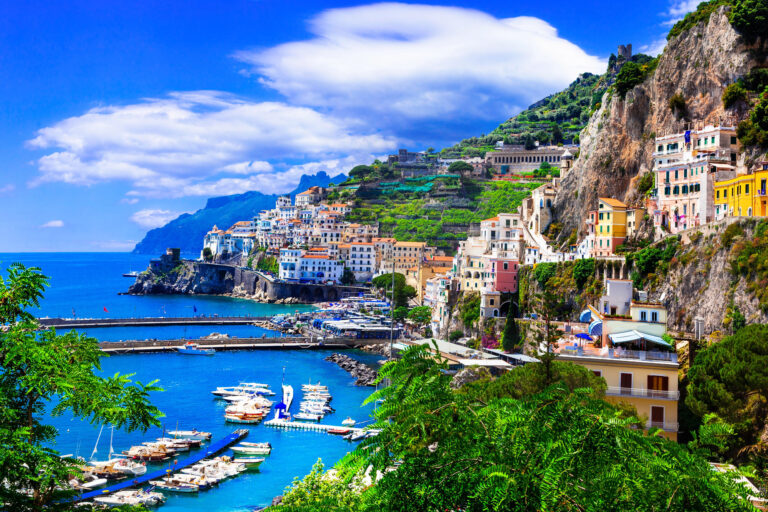
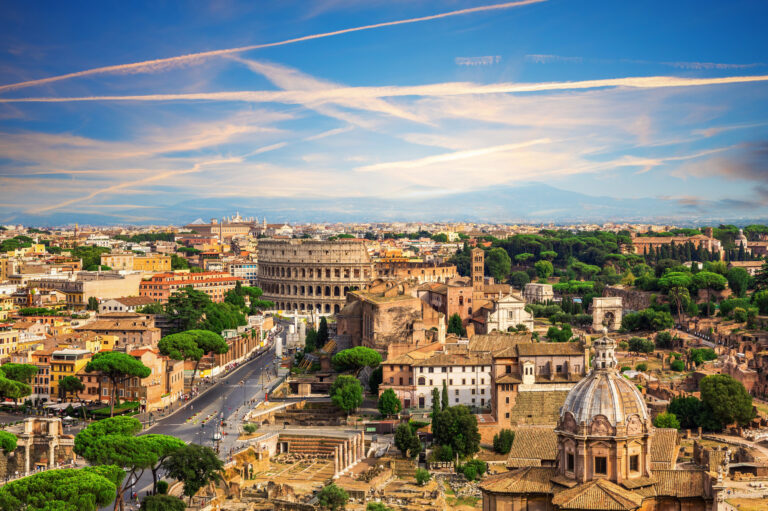
Naples works beautifully as a base for a longer southern Italian stretch. From here you are within easy reach of the Amalfi Coast, Sorrento, Capri and Ischia, with Rome a straightforward fast train to the north, so Vesuvius and the buried towns slot naturally into a trip that also takes in coastline and cities. Given how far it is from Australia, the trick is not to rush it: three or four nights in Naples turns the volcano from a box ticked on a day tour into the centrepiece of a region you have genuinely got to know. If you would like the climb, the ruins and the coast sequenced so the days flow rather than fight each other, that is exactly the kind of planning we enjoy doing from our desk in Ballan.