Driving through Châteauneuf-du-Pape is one of those short stretches of road that justifies the whole flight from Australia. In half an hour you can go from a motorway in the Vaucluse to a single-lane track running between vines, with a ruined papal castle on the hill in front of you and some of the most recognisable labels in France painted on gateposts either side. Sam Newman took it in during his European travels this year, in a heatwave that pushed the thermometer in the car past 40 degrees, and the country still looked exactly as advertised: vines as far as the eye can see.
This is the southern Rhône, roughly between Orange and Avignon. It is not the lavender-postcard south and it is not Burgundy either. It is working farmland with centuries of history sitting quietly on top of it, and it rewards travellers who slow down rather than tick it off.
What driving through Châteauneuf-du-Pape actually looks like
The appellation is compact, so you cover ground quickly, and the pleasure is in the detail rather than the distance. The lanes narrow, the signposts start naming domaines rather than towns, and it becomes very easy to believe you have turned into somebody’s private property, because half the time the road really is running through a working vineyard. Names appear one after another. Sam picked out Domaine André Brunel, Château Cabrières and Domaine Pierre Usseglio from the driver’s seat, and there are dozens more on the same few kilometres of back road.
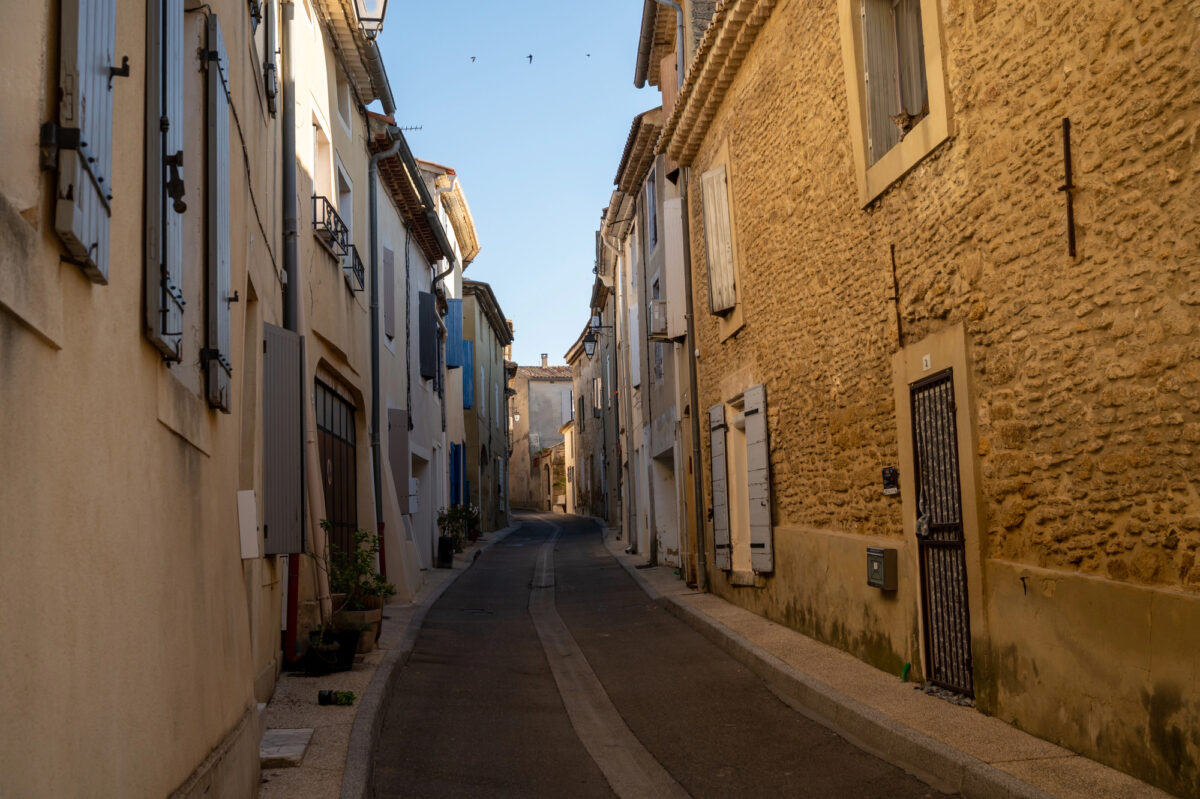
Between the vines you see the other half of the story: old stone buildings in various states of repair, some of them ruins, some of them restored and lived in. It is a landscape that has been farmed and rebuilt and farmed again for a very long time.
The stones, the sun and the wine
Many of the parcels here are carpeted in galets roulés, the big rounded stones left behind by the Rhône. They hold the day’s heat and release it overnight, which is part of the reason the reds have the weight they do. The wines are blends built around Grenache, usually with Syrah and Mourvèdre in support, and there is a small amount of white made as well, which is worth asking about because you rarely see it on Australian shelves.
The other force on the landscape is the mistral, the wind that funnels down the valley and dries everything out. Between the stones, the sun and the wind, this is not gentle country, and the wines reflect that.
The château on the hill
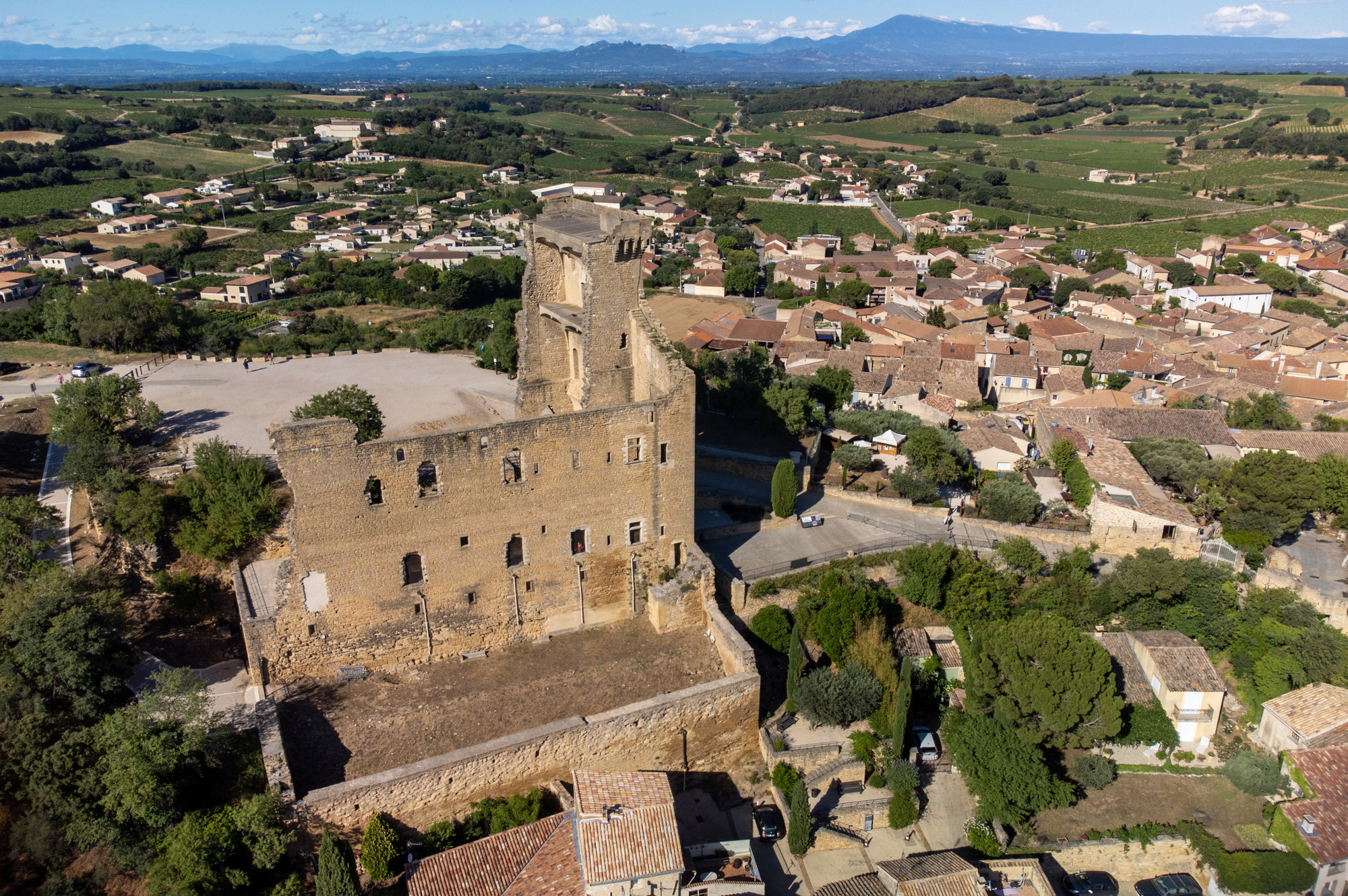
The village takes its name from the popes who ruled from Avignon in the fourteenth century and built a summer residence up here. What is left is a ruin, standing on the high ground above the rooftops, and it is the best free view in the appellation. From the top you look out over the vineyards, the valley and the surrounding hills.
Sam climbed up in the middle of a heatwave and found nobody else there at all, which tells you something about visiting in the wrong conditions. In more reasonable weather it is a short, steep, thoroughly worthwhile walk from the centre of the village.
Getting around: what to know before you take the wheel
A hire car is the right way to do this region. Public transport does not reach the domaines, and the whole point is being able to pull over when a view or a cellar door catches your eye.
Trust the map, not just the voice
Satellite navigation in wine country has a habit of choosing the shortest line rather than the sensible one, which is how you end up nosing between rows of vines wondering whose land you are on. Have a proper look at the route before you set off, and be relaxed about turning around.
Barrier car parks
Ticketed car parks in French towns work on a barrier system, and the ticket has to go back into the machine the right way up on the way out. Get it wrong and you will hold up every car behind you while you sort it out. Keep the ticket somewhere flat and clean rather than loose in the console.
Tasting and driving
Drink-driving limits in France are lower than in Australia. If tasting is the priority, base yourself in the village or in Avignon and organise a driver for the day, or nominate someone to stay dry.
When to go and how it fits a wider trip
Late spring and early autumn are the sweet spots. The vines are green, the light is long and the temperature is civilised. Harvest falls in early autumn and the whole appellation shifts into work mode, which is atmospheric but busy. High summer can be punishing, as Sam found, and the villages empty out in the middle of the day for good reason. Winter is quiet and many smaller producers keep short hours.
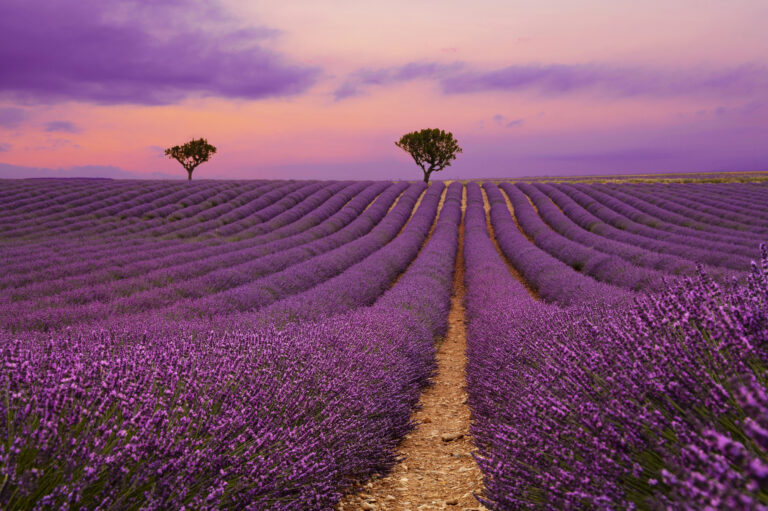
Châteauneuf-du-Pape works best as part of a wider Provence and Rhône itinerary rather than a destination on its own. Avignon and its papal palace are a short drive south, Orange and its Roman theatre are just north, and the lavender country of the Vaucluse sits to the east. Combine it with the neighbouring appellations, give yourself a few unhurried nights in one place, and let the driving be part of the holiday rather than the gap between the good bits. That is the kind of pacing we build into a tailored French itinerary, shaped around how much wine, history and slow country road you actually want.