
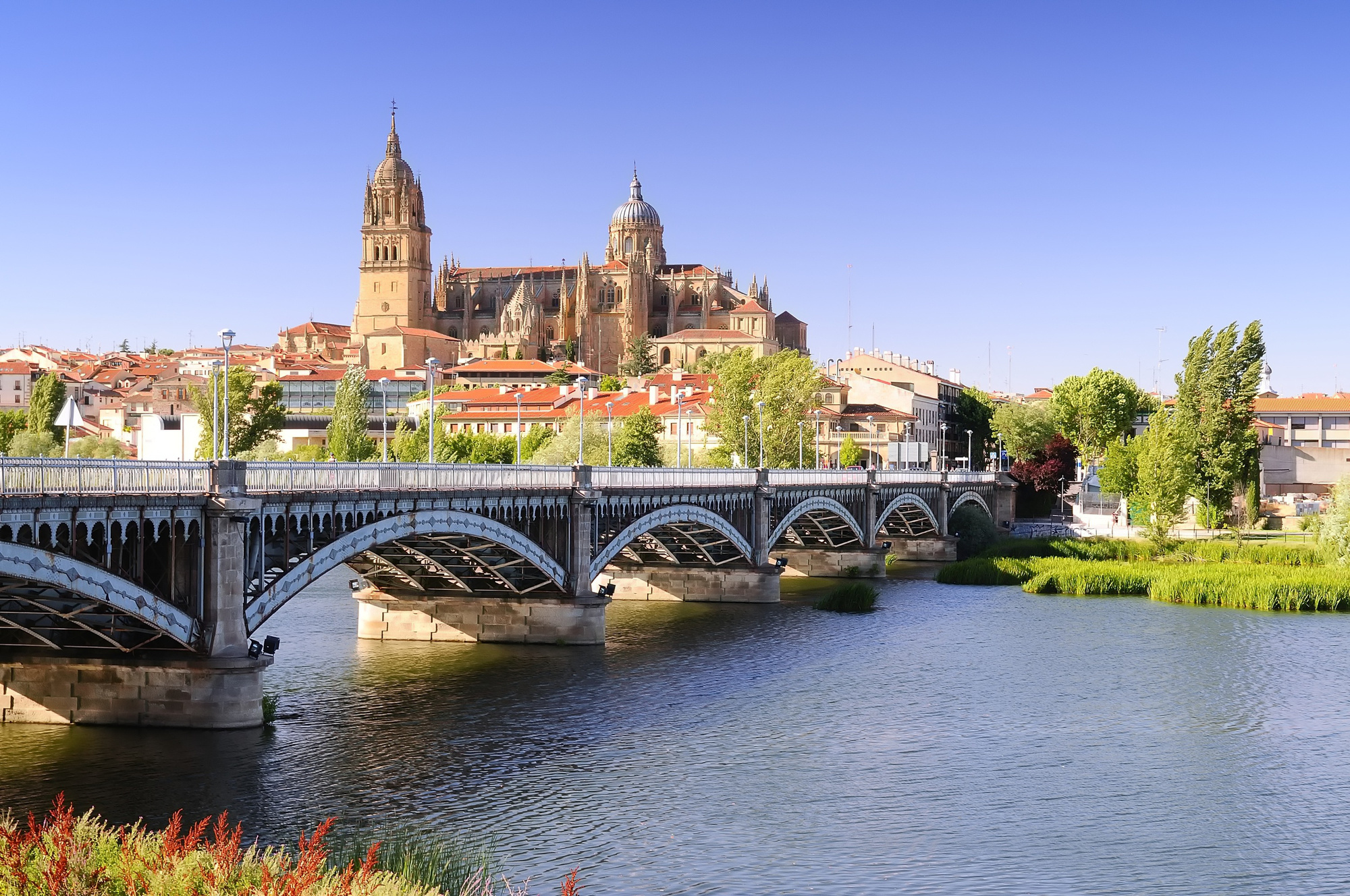
Why Salamanca stays with you
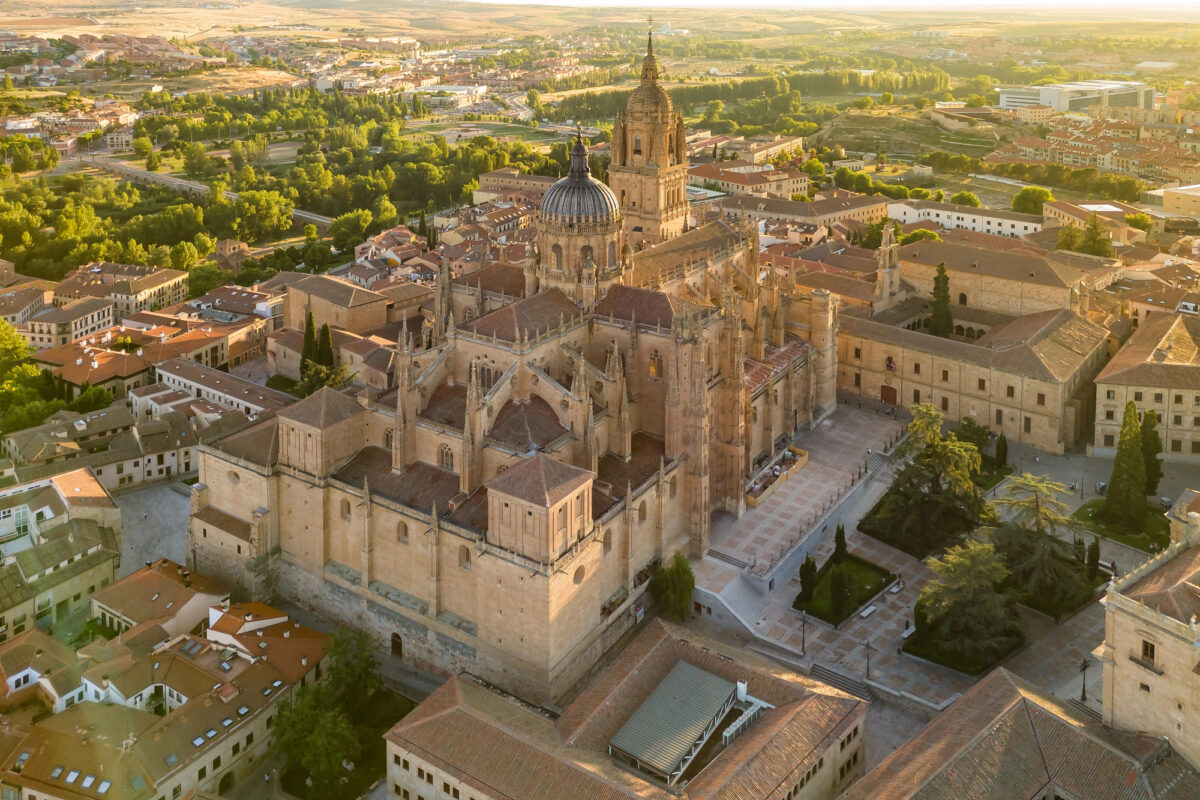
Salamanca, Spain – The Golden City That Rewards a Slow Visit. Salamanca’s old centre is built from Villamayor sandstone, a soft gold that holds the light and deepens through the afternoon. Locals call it la ciudad dorada, the golden city, and the name earns itself around sunset.
It is a university town first. The University of Salamanca was founded in 1218 and is among the oldest in the world still teaching, so the streets belong to students as much as to visitors. The historic centre feels lived in rather than preserved. Bars fill late, good food is cheap and easy to find, and the monuments sit in the middle of ordinary daily life.
For Australian travellers working their way through Spain, Salamanca is the counterweight to the big three: serious architecture in a city you can walk across in about twenty minutes.
Sam Newman filmed in Salamanca on the long European trip that Cartier World Travel helped put together, one stop on a route that has taken him through France, Portugal and across northern Spain.
What else fills the old centre
The university and the frog
The main university facade is one of the great pieces of plateresque stonework in Spain, carved so densely it reads like embroidery. Tradition says students must find the small frog perched on a skull before they can pass their exams, and finding it unaided is genuinely difficult. Inside, the old lecture halls and the historic library are worth the time.
Worth adding
- Casa de las Conchas, a late medieval mansion studded with hundreds of carved scallop shells
- Convento de San Esteban, with a facade like a stone altarpiece and a quiet cloister
- The Roman bridge over the River Tormes, the best place to photograph the cathedral skyline
- Art nouveau and art deco at the Casa Lis, a stained glass house above the river
The practical shape of a visit
Two nights is the right length. One day covers the cathedrals, the university and the Plaza Mayor without hurrying. The second lets you cross the Roman bridge, wander the quieter streets and eat properly, which in this part of Spain means jamon iberico, roast suckling pig and the local farinato sausage.
Spring and autumn are the pick. Castile and Leon sits high on the meseta, so summer days get genuinely hot and winter nights are cold and clear. September and October are excellent, with students back and the city at full energy.
Most people travel to Salamanca from Madrid, roughly a couple of hours by train or road, which makes it an easy extension at either end of a Spanish itinerary. It also pairs well with Segovia and Avila, with a run north toward Leon and the Camino, or west across the border into Portugal and the Douro.
Let us plan it for you
Salamanca works best inside a well judged route rather than standing alone. We can build the train legs, the right hotel inside the old town and the drive onward, shaped around how you like to travel. Get in touch with Cartier World Travel and we will put it together.
Places to explore
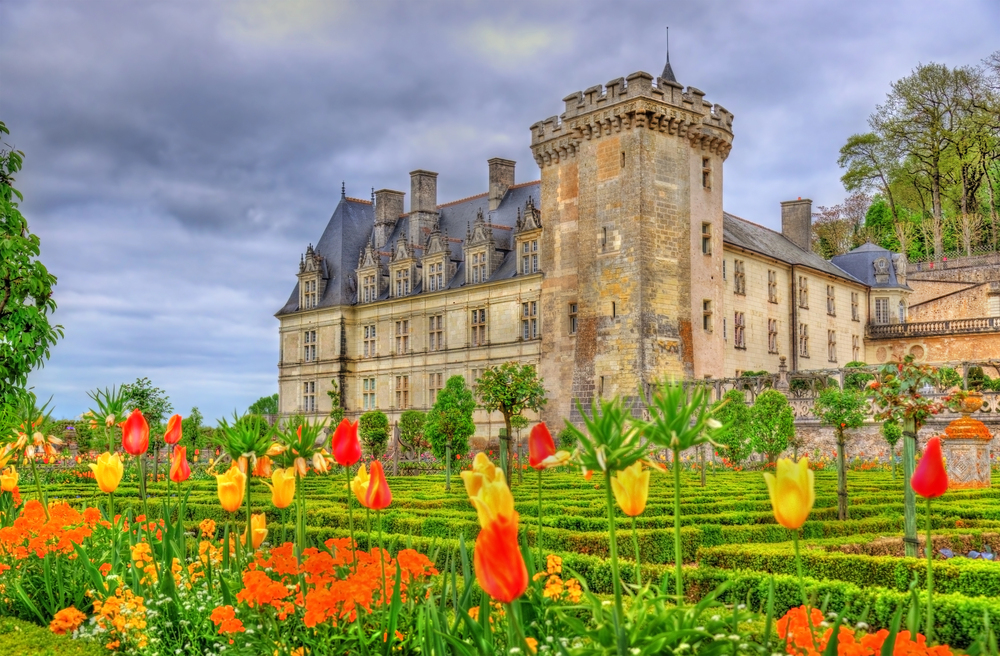
Plaza Mayor
Public squareSpain's most harmonious baroque square, enclosed by arcades with medallions of kings, explorers and writers set above the arches. Locals still circle the perimeter at dusk, so it reads as the city's living room rather than a monument.
Come twice, once early when the arcades are empty and again once the floodlights are on.
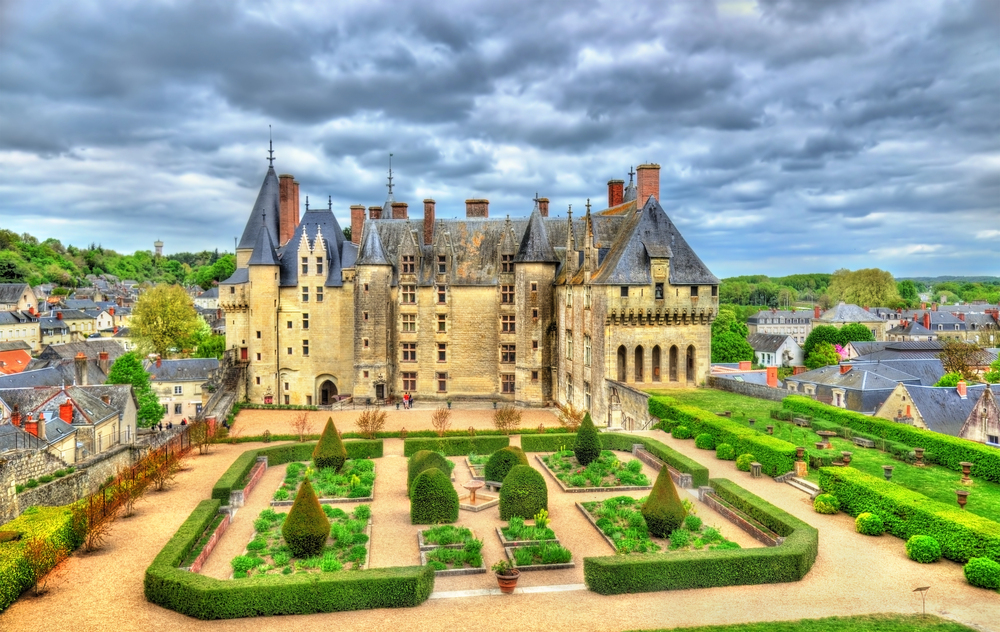
Catedral Vieja y Catedral Nueva, with the Ieronimus tower route
Cathedral complex and high level walkTwo cathedrals share one wall, the Romanesque Vieja with its scaled Torre del Gallo and the late Gothic Nueva beside it. The Ieronimus route climbs to towers and roof terraces, and an astronaut sits carved into the Puerta de Ramos.
Book the Ieronimus route online and take the first entry of the day.
Sam Newman in Salamanca
Filmed on Sam's own trip through Europe, parts of which Cartier World Travel arranged.
Other stops on Sam's journey
Salamanca
Tell us roughly when and for how long. We build the rest around you, the way we built Sam's.