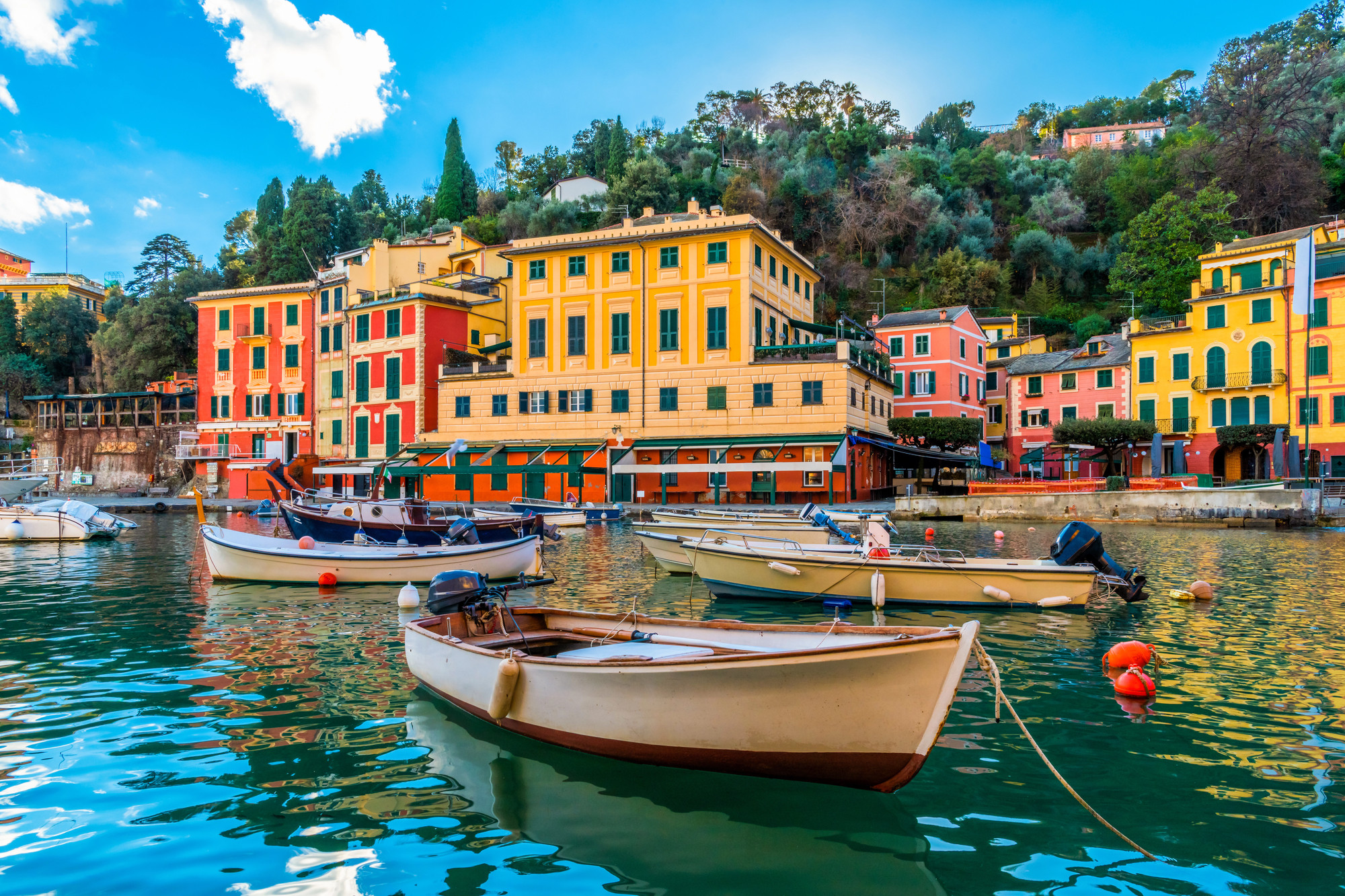
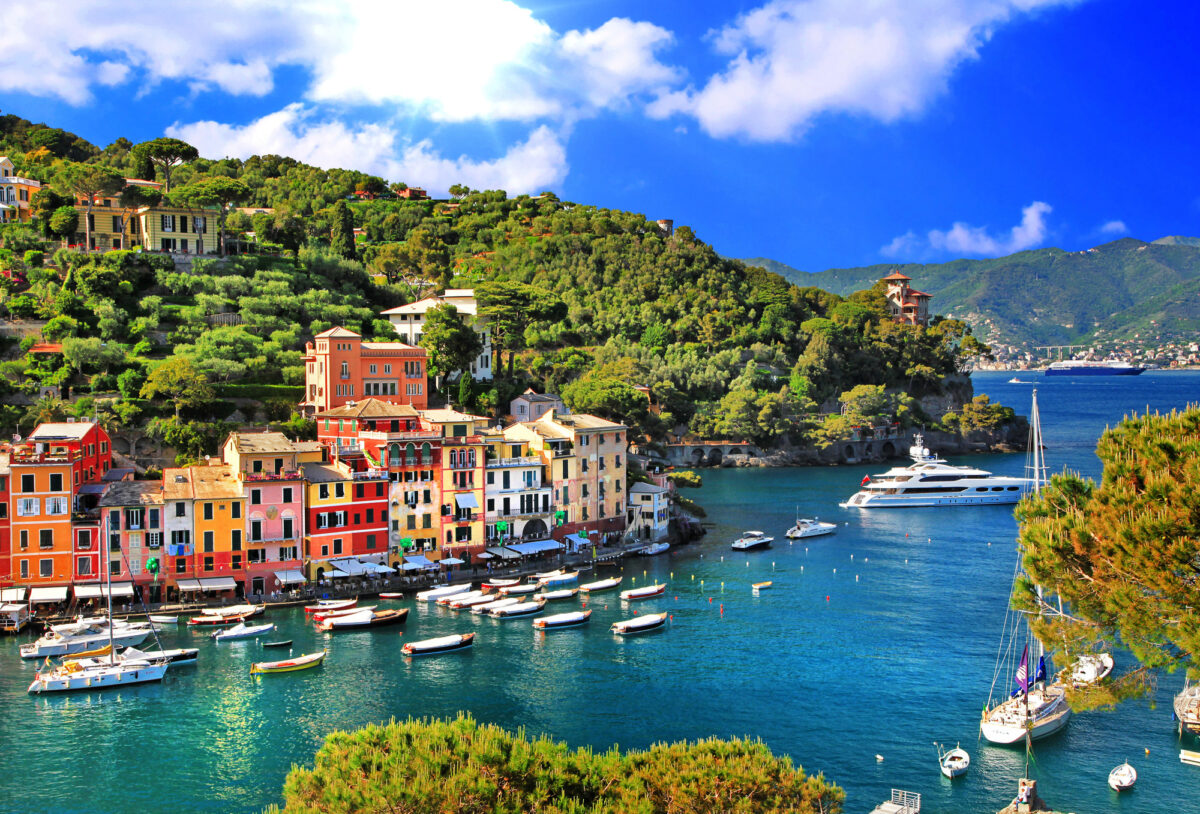
There are harbours that photograph well and harbours that stop you where you stand. Portofino is the second kind. Visiting Portofino means arriving at a horseshoe of ochre and apricot houses stacked around a pocket of green water, with superyachts moored where fishing boats once tied up and pines climbing the headland behind. It is small, it is famous, and it more than survives its own reputation. For Australian travellers who have already done Rome and Florence, this stretch of Ligurian coast is the trip that shows Italy at its most relaxed and its most theatrical at once.
A harbour on the Ligurian coast, not the Amalfi
Portofino sits at the tip of a wooded promontory on the Italian Riviera, in Liguria, about two hours by road from Milan and a short run east of Genoa. It is often confused with the Amalfi Coast, but the two are on opposite sides of the country and feel quite different. Liguria is tighter, greener and more compact. The whole promontory is protected as a regional park, with a marine protected area in the water around it, which is why the coves stay clear and why the development stops where the pines begin.
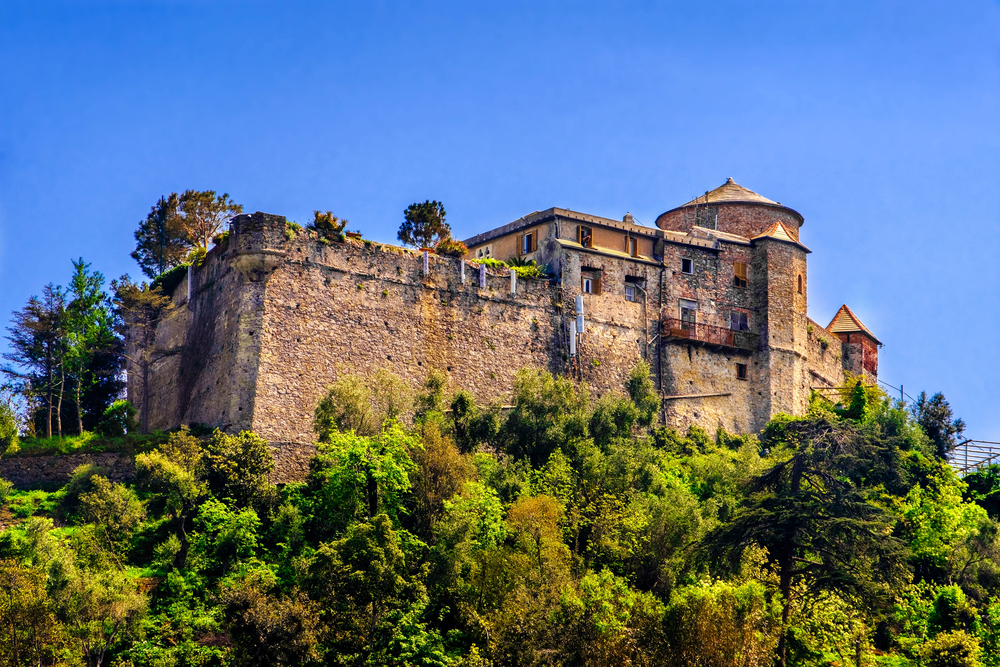
The town itself is barely more than one small piazza open to the water, a handful of lanes rising behind it, and a path up to Castello Brown, the old fortification above the harbour with the classic view straight down onto the boats. Above that again stands the Hotel Splendido, in what is genuinely one of the great hotel settings in Europe, gated and private and visible from almost everywhere in the bay.
Visiting Portofino by road and by water
Both approaches are worth doing, and they are not the same experience. The coast road from Santa Margherita Ligure to Portofino is only a couple of kilometres, but it is a narrow ledge cut into the cliff, walled on one side and hanging over the water on the other, with pedestrians strolling in the traffic lane because there is nowhere else for them to walk. It is beautiful and it demands your attention. Parking in Portofino is very limited and the private roads above the village are gated, so you cannot simply drive up to the grand hotels without a booking.
The arrival by sea is the one people remember. Passenger boats run between Rapallo, Santa Margherita Ligure, Portofino and the bay of San Fruttuoso, and the village only reveals itself as you round the headland, the whole painted crescent opening up at once. If you have a car, the sensible plan is to drive the corniche once for the views, then leave the car behind and take the boat back the next day.
Practical notes for the water
Because the promontory is a marine protected area, there are real restrictions on where boats can anchor and moor. If you are hiring a boat rather than buying a ferry ticket, ask exactly where you are permitted to stop before you cast off. Ferry departures also thin out considerably outside the warmer months, so check the season as well as the timetable.
Where to base yourself
Very few travellers actually sleep in Portofino, and there is no need to. Santa Margherita Ligure, two kilometres around the bay, is a full working town with a proper seafront, cafes, a railway station on the main coastal line and a much wider range of accommodation. The gap in nightly rates between a room here and a room in Portofino itself is substantial, and you are still minutes from the harbour by road or boat. Apartments in the hills above town come with the view and, often, a hair-raising gated driveway off a busy road.
Rapallo, slightly further along, is bigger again, with a small castle sitting out on the seafront and a cable car climbing to the sanctuary in the hills above the town. Times can be limited and services in Italy commonly pause over the middle of the day, so plan the ride for the morning rather than lunchtime.
San Fruttuoso and the Christ of the Abyss
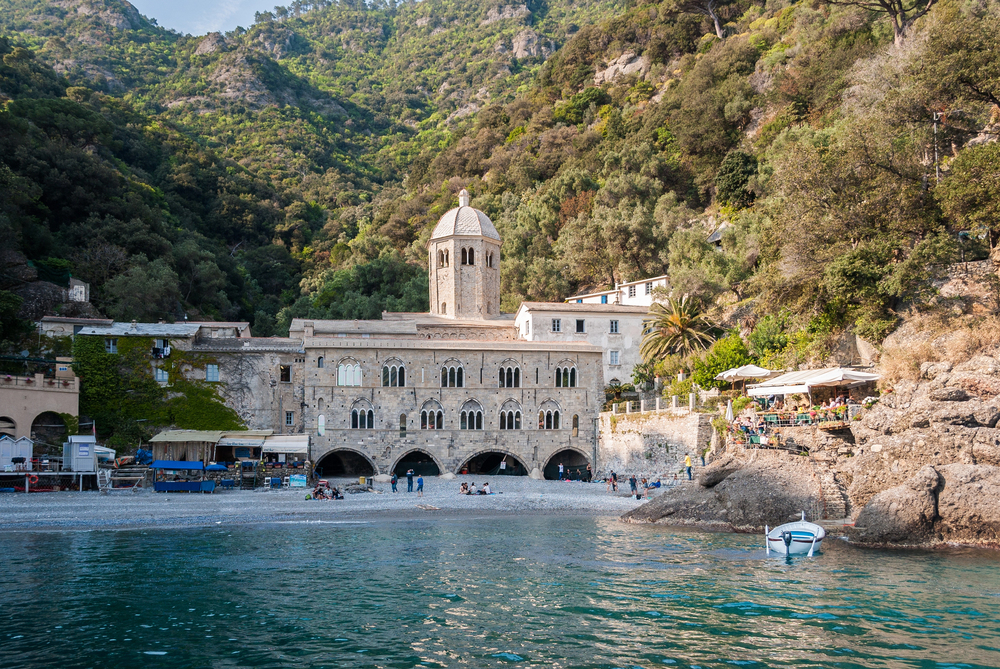
The single best half day on this coast is the trip to San Fruttuoso, a bay on the far side of the promontory reachable only on foot or by boat. A medieval abbey sits right on the shingle in a cleft in the cliffs, with no road in and nothing else around it. Offshore, submerged in the bay, is the Cristo degli Abissi, the bronze Christ of the Abyss, with arms raised towards the surface. Divers descend to it, snorkellers can make out its shape in clear water, and glass-bottom boats bring everyone else close enough to see it.
It is worth knowing that the statue is at San Fruttuoso rather than in Portofino harbour, which trips up a lot of visitors. If seeing it matters to you, choose a boat trip that specifically includes the bay.
Pebbles, not sand
Australians should set expectations before they arrive. The Ligurian coast is rock and pebble, not sand. The beaches here are small shelves of smooth stones packed with umbrellas, tucked into inlets you do not see until you are almost past them. The water is clean and cool and swimming is a pleasure, but bring something for your feet and think of these as bathing coves rather than beaches in the Australian sense.
When to go and how it fits a wider trip
Late spring and early autumn are the sweet spot. High summer on this coast is genuinely hot, the harbour road is at its busiest and the ferries are full, while May, June and September give you long light, warm water and room to move. Winter is quiet and lovely to look at, but many boat services and seasonal businesses wind down.
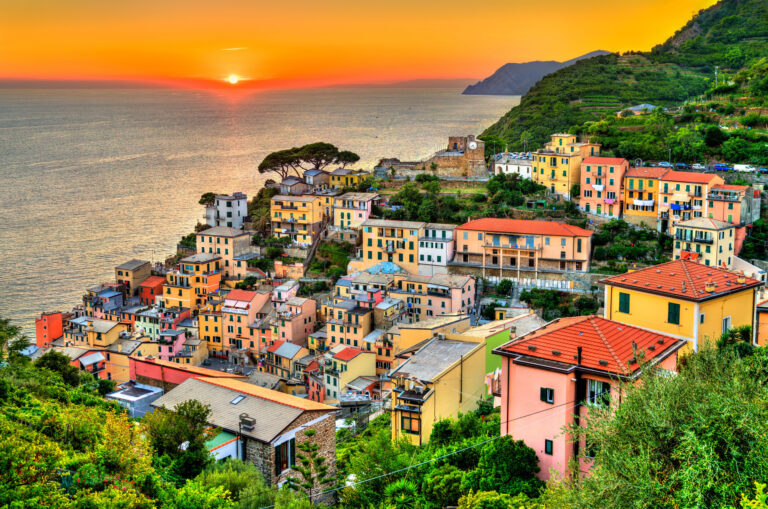
Three or four nights is enough to see the promontory properly without rushing, and the location makes it easy to build outwards. Genoa is close for a day of city and food, the Cinque Terre lie further along the same coastline, and the main rail line puts Milan, Turin and the rest of northern Italy within comfortable reach. It also works beautifully as the slow, salty middle of a longer European itinerary, dropped in between city stays where you want a few days of doing very little at a good address.
Portofino rewards a bit of planning. Knowing where to sleep, when the boats run and which bay holds the statue is the difference between a crowded hour in a famous piazza and a couple of days you talk about for years, and that is precisely the kind of detail we work through with travellers before they leave.