
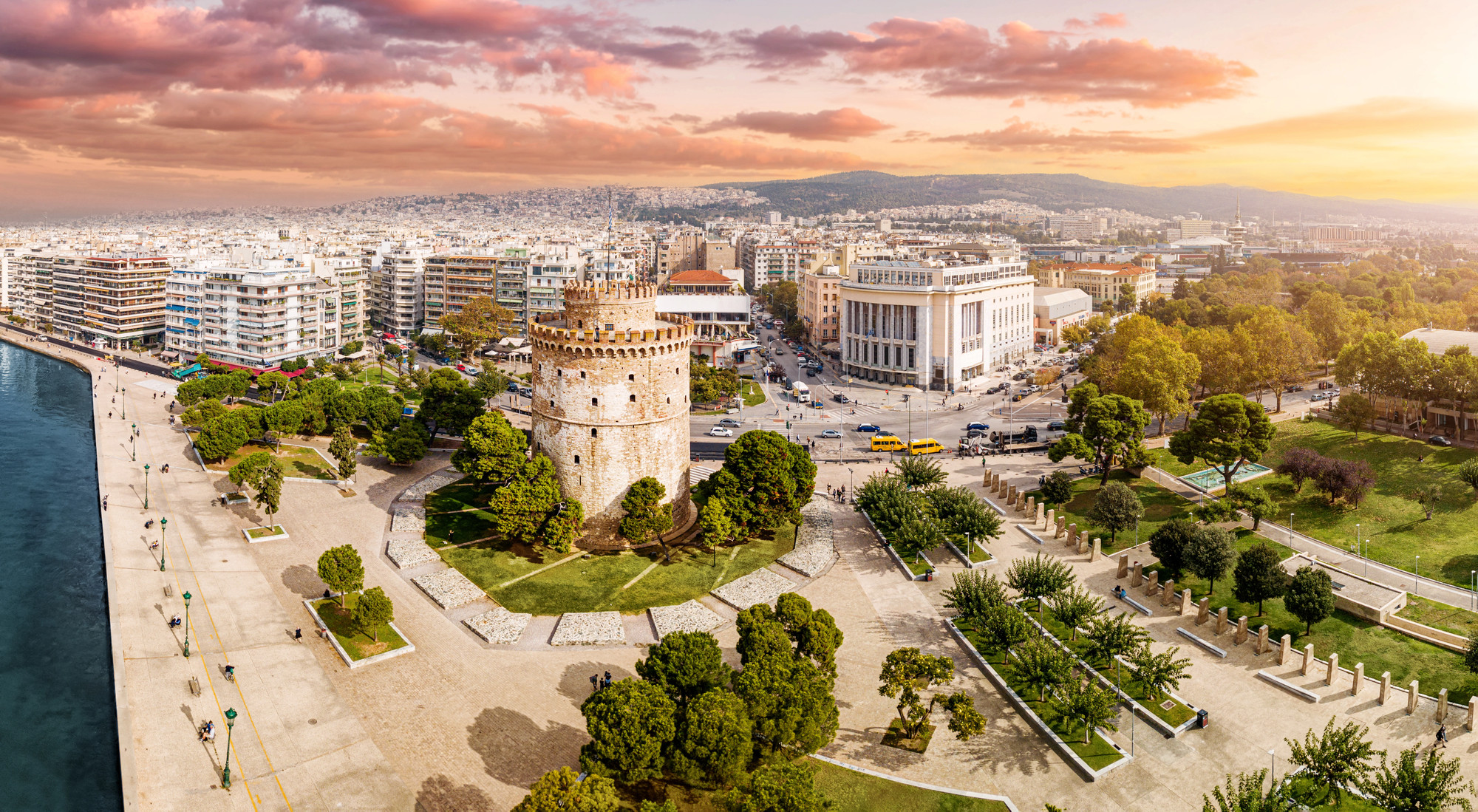
Visiting Thessaloniki is a decision Australian travellers rarely regret and often make late. Most Greek itineraries run straight from Athens to the islands, leaving the country’s second city, spread along the curve of the Thermaic Gulf in the north, to the people who live in it. That is the appeal. It is a working port and university city with Roman ruins among the shopping streets, Byzantine churches on the hillsides and a seafront promenade that fills each evening with locals rather than tour groups.
For anyone from Melbourne it can feel oddly familiar. Melbourne is said to hold one of the largest Greek populations of any city outside Greece, and Greek Melbourne and Thessaloniki are more closely related than the flight time suggests.
Alexander the Great on the waterfront
The city’s most photographed monument sits on the seafront: a large bronze of Alexander the Great on his horse Bucephalus, sword drawn, facing the water. Alexander came from Macedonia, the region Thessaloniki anchors. He became king at twenty, built one of the ancient world’s largest empires and died at thirty-two in Babylon. The city was founded soon after his death and named for his half-sister, Thessalonike.
Walk the promenade in either direction from the statue and you get the shape of the place in an hour. The White Tower stands at one end of the old seafront, the port at the other.
A city of layers
Thessaloniki wears its history in layers rather than in one preserved quarter. A Roman forum sits uncovered in the centre of town, a triumphal arch stands a short walk away, and a collection of early Christian and Byzantine churches carries UNESCO World Heritage listing.
The city is also the long-standing home of the Thessaloniki International Fair, with decades of history behind it and a permanent exhibition precinct near the centre.
Eating, walking and how long to stay
This is a food city with a reputation among Greeks themselves. Expect bakeries, syrupy pastries, mezze places that stay open late and a strong cafe culture along the waterfront and around the central squares. The simplest approach works best: pick a neighbourhood, walk it slowly, and eat where the tables are full of people speaking Greek.
- One day: enough for the statue, the waterfront and a couple of the major monuments.
- Two or three nights: better, adding the hills above the centre, a museum morning and unhurried evenings on the seafront.
When to go and how it fits a wider trip
Late spring and early autumn are the sweet spot in northern Greece, with warm days and comfortable walking weather. Winter is cool and often wet, though the city keeps working through it.
Thessaloniki also earns its place as a hinge in a longer European itinerary. From here you can turn south to Athens and the islands, east to the beaches of Halkidiki, west towards Mount Olympus and the ancient Macedonian royal sites, or north overland towards Bulgaria. Tell us what you want out of Greece and we will work out where this city belongs in the run of it.
Places to explore
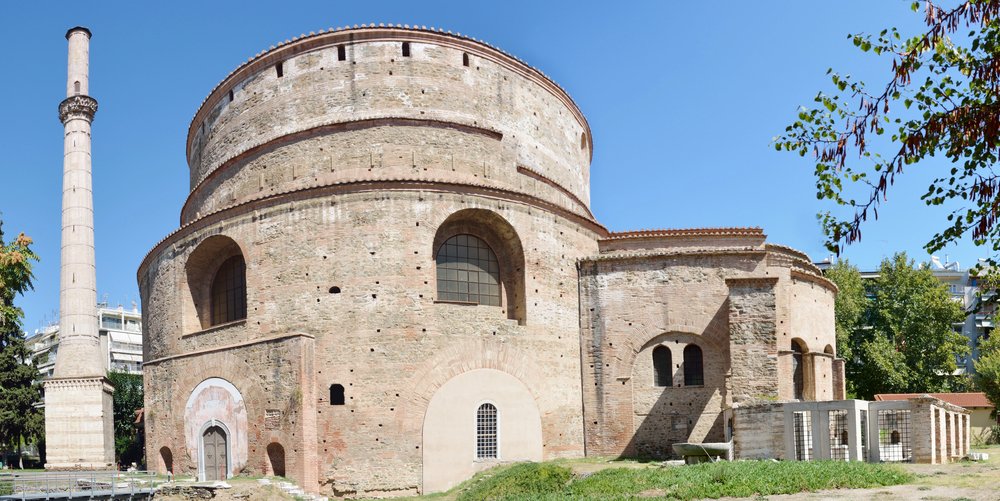
Ροτόντα (Rotunda of Galerius)
Roman and early Christian monumentA vast brick drum built around AD 300 as part of Galerius' palace complex, later a church and then a mosque, with its minaret still standing outside. The dome carries some of the earliest gold-ground mosaics anywhere, and the Arch of Galerius sits 200 metres away.
Go early for an empty floor and raking light on the dome mosaics, and check the schedule, as it sometimes closes for concerts and services.
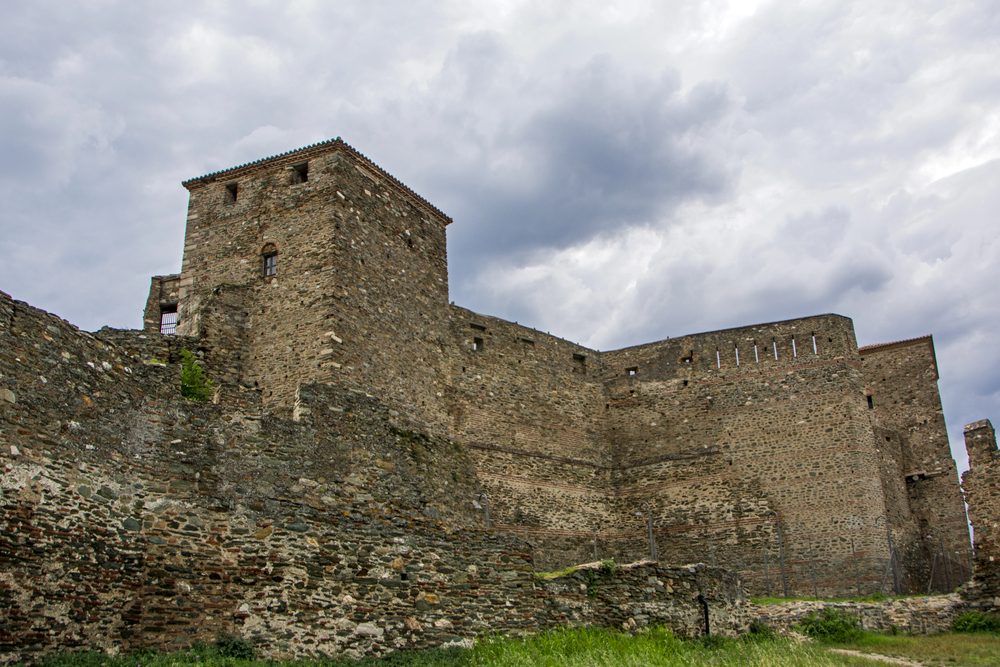
Άνω Πόλη and Επταπύργιο (Upper Town and Heptapyrgion fortress)
Neighbourhood walk and city wallsThe Ottoman-era quarter above the 1917 fire line, with timber-framed houses, cobbled lanes and Byzantine walls climbing to the Heptapyrgion, a fortress used as a prison into the 1980s. Views run across the city grid to the gulf and, on clear days, Mount Olympus.
Taxi up to the fortress and walk down, allowing about three hours, as it is all steps and gradients.
What Sam said
We just thought we'd come and say hello, because Melbourne apparently has the largest Greek population outside of Greece. Sam Newman, on the ground
Sam Newman in Thessaloniki
Filmed on Sam's own trip through Europe, parts of which Cartier World Travel arranged.
Other stops on Sam's journey
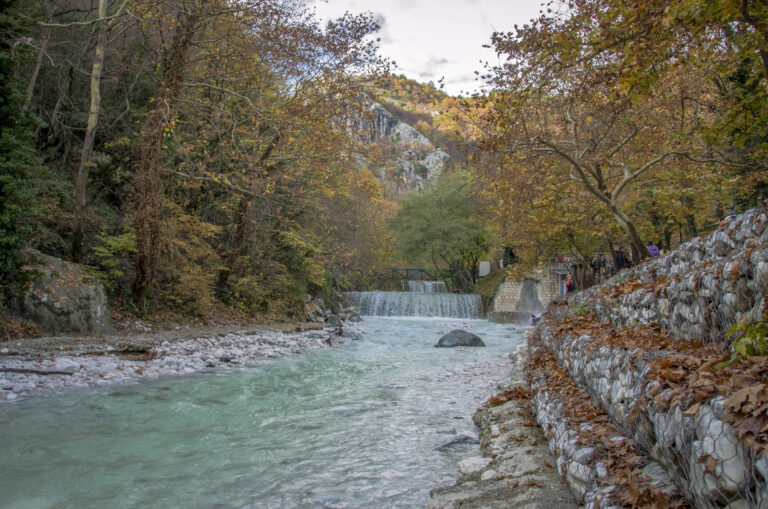 Day 93
Visiting Pozar Thermal Springs in Northern Greece
Continue reading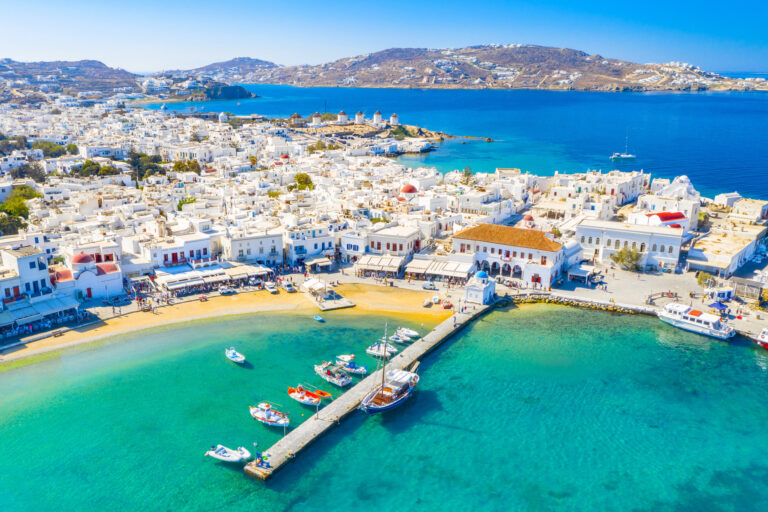 Day 89
Planning a Trip to Mykonos: Windmills and Little Venice
Continue reading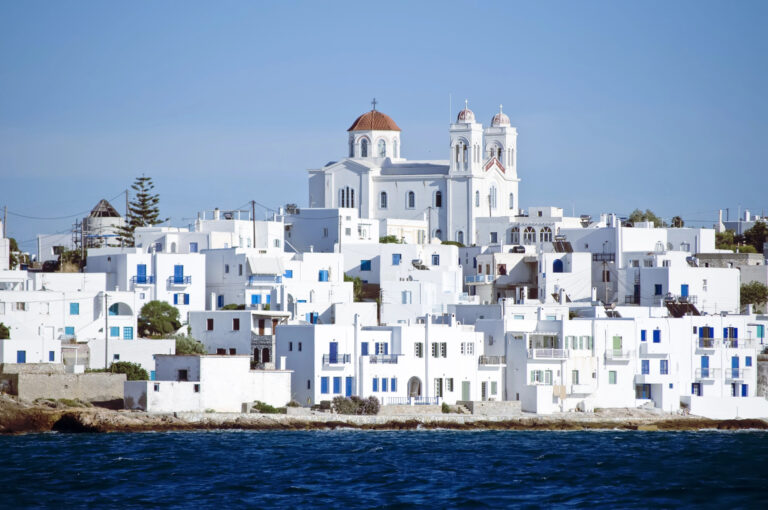 Day 87
Visiting Naoussa on Paros, a Cyclades Town to Slow Down In
Continue reading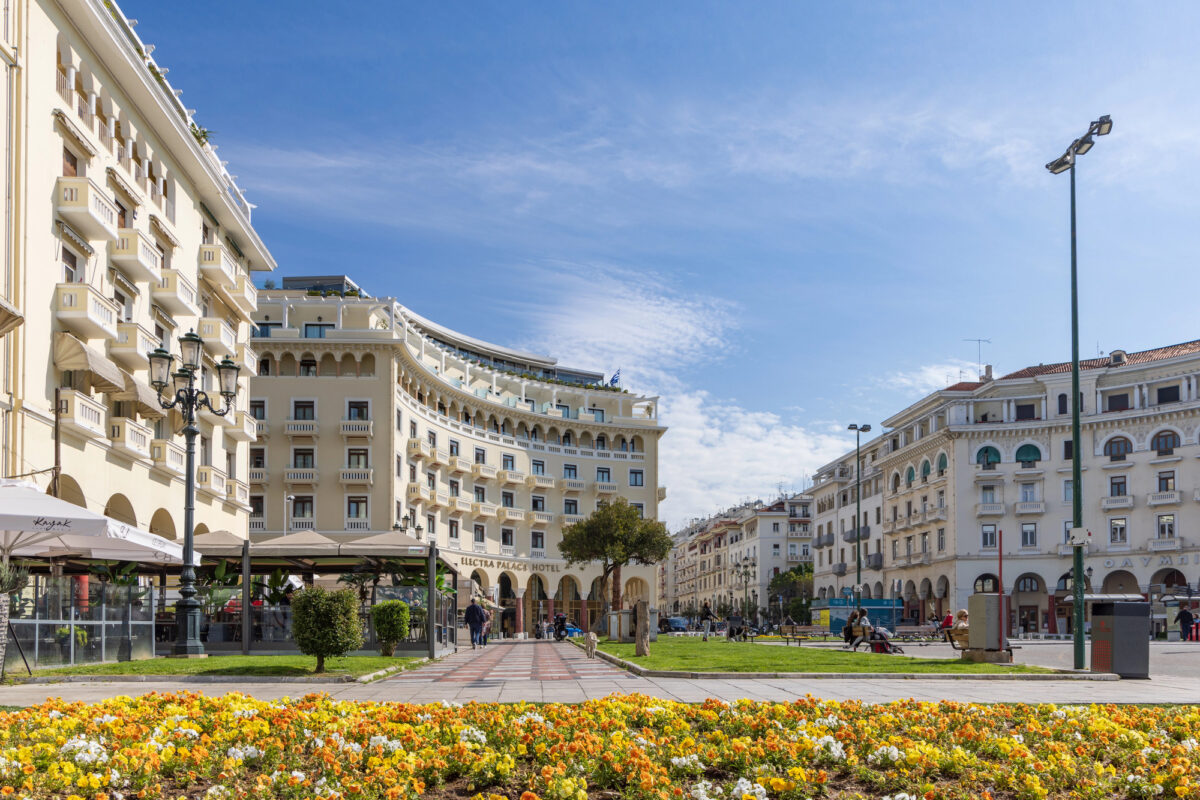
Thessaloniki
Tell us roughly when and for how long. We build the rest around you, the way we built Sam's.