Provence and the Var: Planning Your Trip to Southern France
From hilltop villages to Mediterranean beaches, discover what makes a Provence trip to the Var region worth planning.
France4 landmarksTailored by Cartier World Travel
Why the Var Region Deserves Your Attention
When Australians think of the south of France, they often picture the Riviera’s famous cities or Provence’s lavender fields. The Var department sits between these two ideas, offering the best of both: authentic Provençal hill towns, working vineyards, and a stretch of Mediterranean coast that feels worlds away from the crowds of Nice or Cannes. It’s the part of southern France where you still find market squares filled with locals rather than tour groups, and where a travel to Provence experience feels genuinely regional rather than packaged.
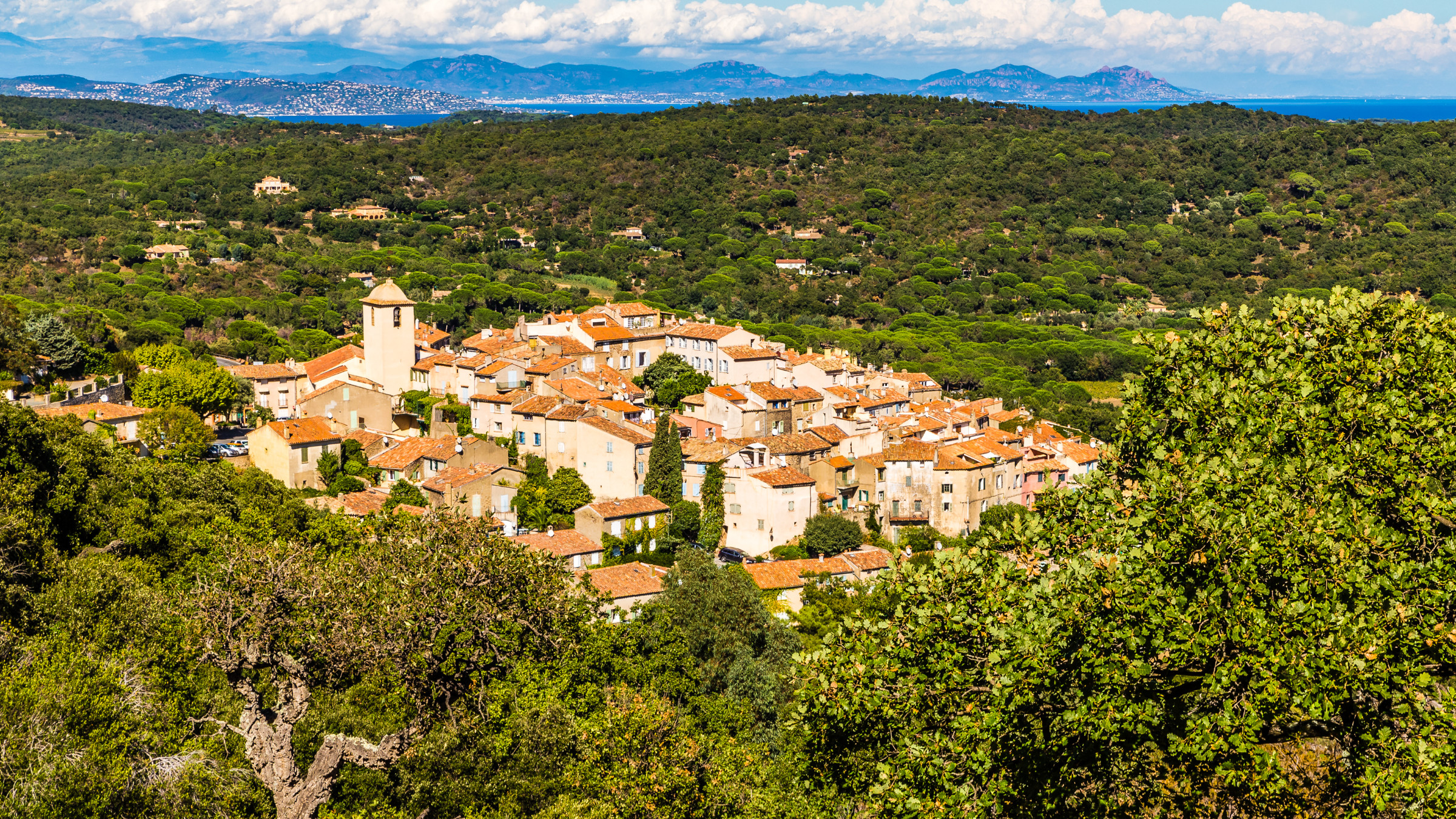
La Garde-Freinet and the surrounding communes occupy the Massif des Maures, a range of forested hills between the coast and the interior. The elevation brings cooler evenings even in summer, stone villages that predate tourism by centuries, and a pace of life that makes a week feel properly restorative.
What You Actually Do in the Var
The rhythm of a Provence trip here centres on villages, markets, and meals. La Garde-Freinet itself is known for its Wednesday and Sunday markets, where you’ll find everything from locally pressed olive oil to wild mushrooms depending on the season. The town’s medieval streets lead to a ruined Saracen fort with views across the entire massif.
Nearby villages each have their own character. Ramatuelle clings to a hilltop above Saint-Tropez. Gassin offers restaurant terraces with panoramic views. Grimaud has a proper medieval castle. You drive narrow roads through cork oak forests and vineyards, stopping wherever looks promising. This is not a region of must-see monuments; it’s a region of accumulating impressions.
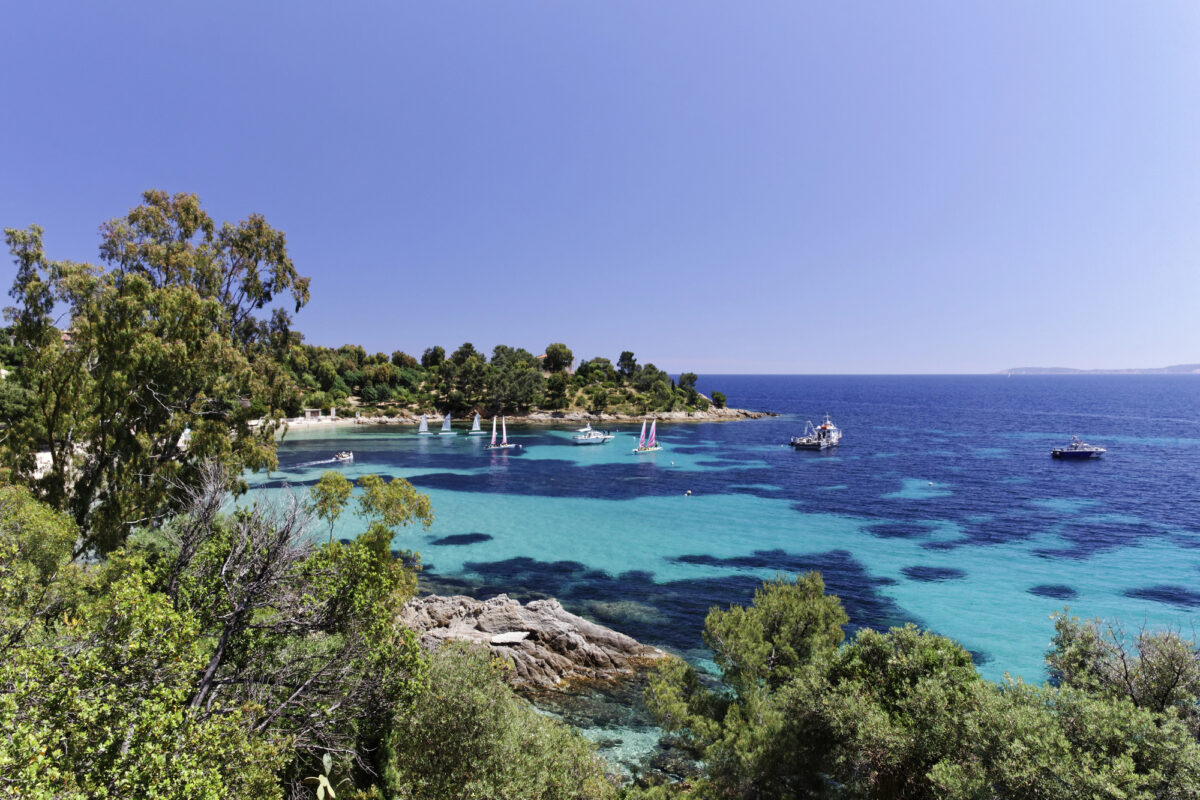
The coast is fifteen minutes downhill. Beaches like Pampelonne stretch for kilometres, backed by pine groves rather than high-rises. The resorts of Le Lavandou and Cavalaire-sur-Mer offer excellent swimming and waterfront dining without the Riviera’s intensity.
Food and Wine
Provençal cooking here means simple preparations of excellent ingredients: grilled fish, ratatouille, tapenade, goat cheese from nearby farms. The Var produces good wines, particularly rosés that suit the climate and the food. Many domaines offer tastings by appointment.
Planning Your Visit
Late spring and early autumn are ideal, warm enough for swimming, comfortable for walking, and outside the summer peak when coastal traffic becomes tedious. Two weeks gives you time to settle into the pace, though a week based in one village with day trips works perfectly well.
You’ll want a car. The villages are too spread out for anything else, and half the pleasure is the drives between them. Fly into Nice, Marseille, or Toulon and drive in.
This region pairs naturally with the rest of Provence to the north or the Riviera to the east, but it also stands alone as a trip in itself, perhaps the better option if you want France without the tourist infrastructure.
Let Us Shape Your Provence Trip
Sam Newman is currently travelling through Europe on a trip that Cartier World Travel helped arrange, and regions like this are exactly why tailored planning matters. A package tour won’t put you in the right village at the right time of year with the right kind of accommodation. We will. Contact Cartier World Travel to design a southern France itinerary built around how you actually want to travel, not how a brochure says you should.
See it for yourself
Sam Newman in Le Lavandou
Filmed on Sam's own trip through Europe, parts of which Cartier World Travel arranged.
On the map
Le Lavandou laid out
What to see
Le Lavandou, up close
01
Parc national de Port-Cros (Port-Cros National Park)
Island nature reserve / day trip
The wildest of the Îles d'Hyères sits under an hour offshore, and boats leave straight from Le Lavandou's Gare Maritime, so you skip the Hyères traffic entirely. It is a car-free, dog-free, cigarette-free island of holm oak, forts and translucent coves, with a marked underwater snorkelling trail off Plage de la Palud that runs over posidonia meadows and sea bream. Walk the Sentier des Plantes or the harder Route des Crêtes for the drop-away views back to the mainland. Nothing else on this coast feels this untouched.
Book the ferry online a few days ahead in July-August, take the first sailing of the morning, bring your own water and lunch (the village has few options), and allow a full day; bring or hire mask and fins for La Palud.
02
Le Domaine du Rayol, Le Jardin des Méditerranées
Garden and coastal estate
A Belle Époque estate at Le Rayol-Canadel, 15 minutes east along the corniche, replanted as a walk through the world's Mediterranean climate zones: Chile, California, South Africa, Australia, New Zealand, Canary Islands. The Australian section, all eucalypts and banksias, is a strange pleasure to meet above a Provençal bay. Paths drop through the terraces to a private cove where guides run a supervised snorkel visit of the sea floor in the warm months. Allow two hours for the gardens alone, longer with lunch on the terrace.
Go at opening, before the coach groups and the midday heat; book the guided sentier marin (snorkel) session separately and well ahead, as places are capped.
03
Sentier du Littoral (Coastal Path), Saint-Clair to Cavalière
Coastal walk
The old customs officers' path threads the whole Corniche des Maures, and the stretch from Saint-Clair through Aiguebelle and around Cap Nègre to Cavalière is the best of it. You pass beneath pines and villa gardens on schist rock, with staircases down to coves that have no road access. It is roughly a half-day round trip at a gentle pace, with beach bars at either end to reward you. Shoes with grip matter more than fitness; sections are uneven and slippery when wet.
Start by 8am in summer for shade and empty coves, carry water as there are no taps on the path, and check for storm-damage closures at the Office de Tourisme before setting out.
04
Château Léoube (Cap Bénat)
Wine estate and beach restaurant
An organic Côtes de Provence estate on the Cap Bénat peninsula, owned by the Bamford family, producing some of the most serious pale rosé on this coast alongside olive oil pressed on site. The cellar door does tastings among the vines, and the seasonal Café Léoube sits directly on the sand at Plage de Pellegrin, a protected beach reachable only on foot or by boat. Lunch is grilled fish, garden vegetables and their own oil, with the wine served properly cold. It is the most civilised two hours you can spend near Le Lavandou.
Reserve the beach café for a 12.30pm table well in advance in summer, and allow the 15-minute walk in from the car park; the estate tasting room and the café keep different seasonal patterns, so confirm both.
Contact us about
Le Lavandou
Tell us roughly when and for how long. We build the rest around you, the way we built Sam's.