Visiting the Monaco Grand Prix is the reason most people first look up flights to the principality, and for a few days in May the whole place earns it. Monaco is barely two square kilometres of rock and reclaimed land wedged between the Alps and the Mediterranean, and when the barriers go up the streets you walked yesterday become a Formula 1 circuit. What surprises Australians is how much is still worth the trip outside race week: a genuinely great museum, a medieval quarter above the sea, and a covered market where locals eat for a fraction of what the harbour front charges. Sam Newman spent a day here on the water and on foot during a Grand Prix weekend, driving over from La Garde-Freinet in the Var, and came away with a fair sense of both sides of the place.
Musée océanographique de Monaco
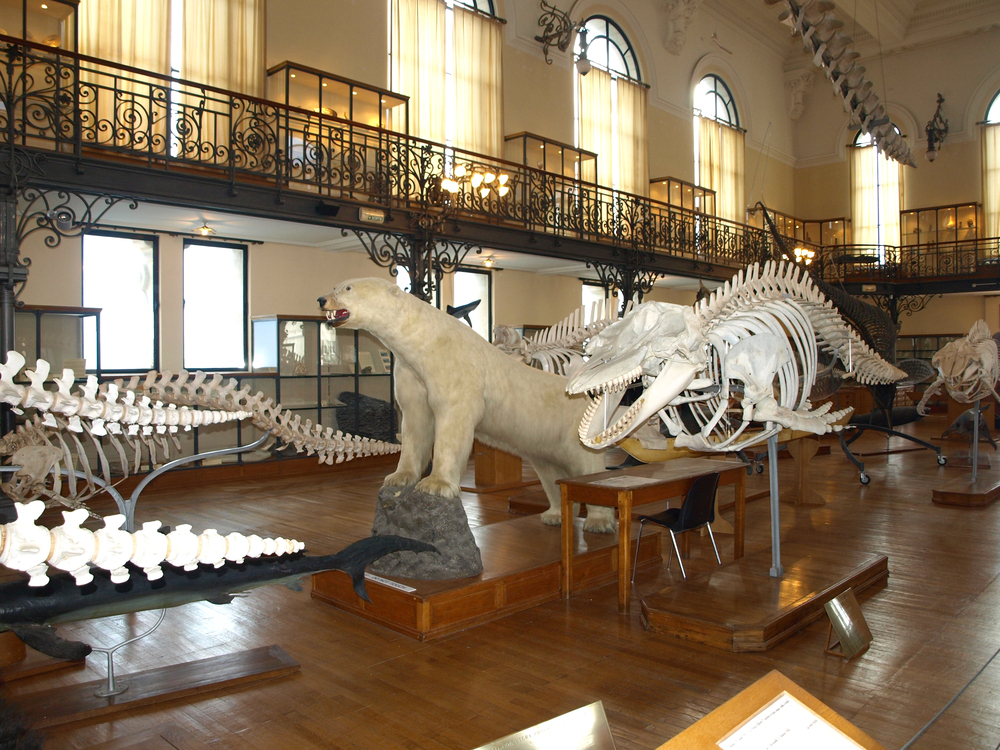
Prince Albert I built this palace of the sea straight into the cliff face of Le Rocher, and it remains the one thing in Monaco that could not exist anywhere else. The marble halls, whale skeletons and Jules Verne grandeur of the upper galleries are the reward for adults, while the shark lagoon and coral rooms hold children happily for an hour. Finish on the rooftop terrace, where the drop to the water below does more for your sense of the place than any amount of harbour gazing.
How to do it well
Book a timed ticket online and arrive at opening, before the cruise passengers and school groups. Allow an hour and a half to two hours, ending upstairs on the roof.
Visiting the Monaco Grand Prix
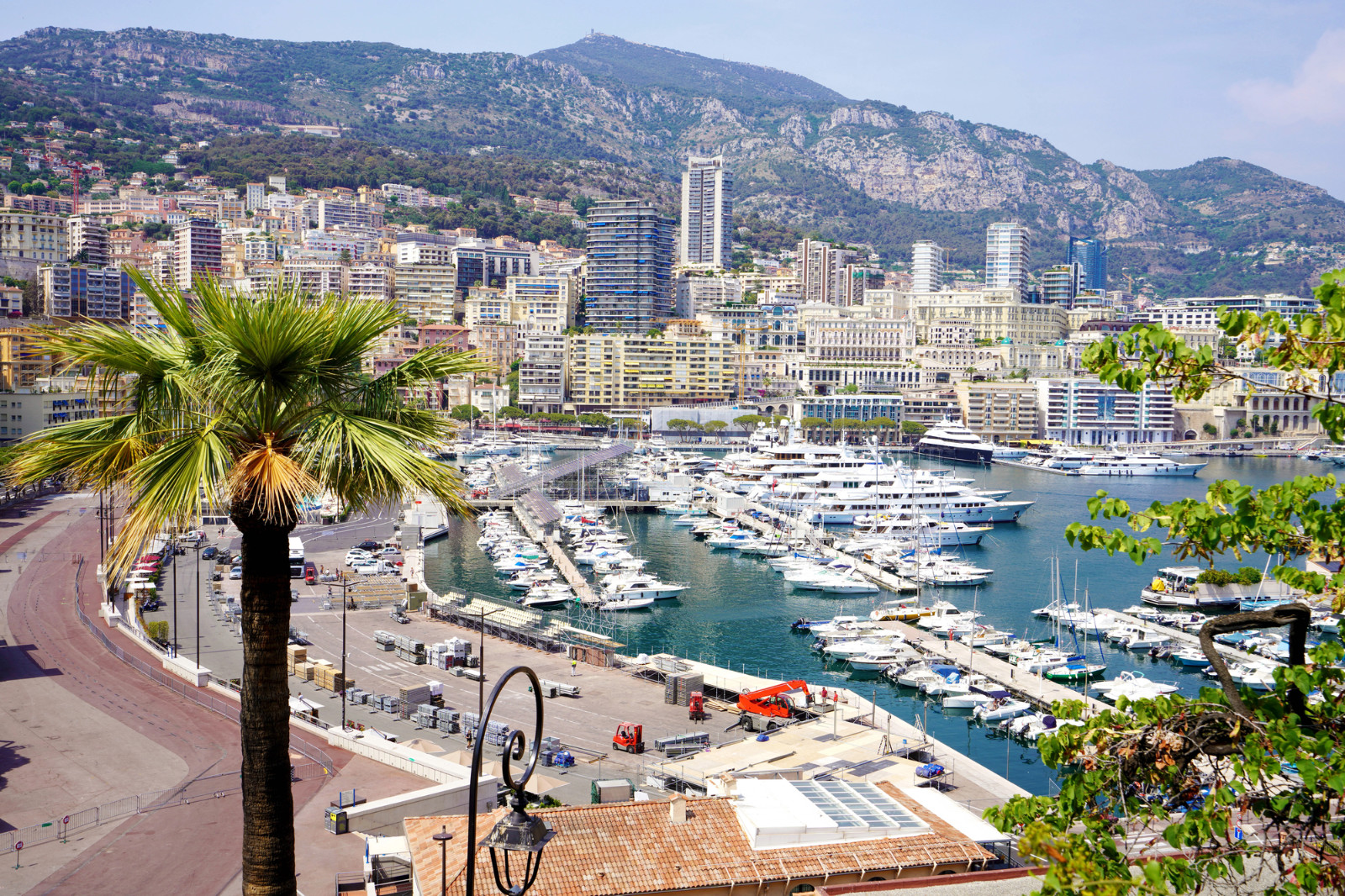
The circuit is not a purpose built venue, it is the town. Cars run within a metre of the harbour barriers, under apartment balconies, through the tunnel and around the swimming pool complex. That intimacy is the whole point, and it also means the good vantage points are private property: a terrace, a grandstand, or a chartered yacht moored stern-on to the track in Port Hercule. Practice and qualifying days are often better value viewing than the race itself, because the cars are on track for longer and the crowds are thinner.
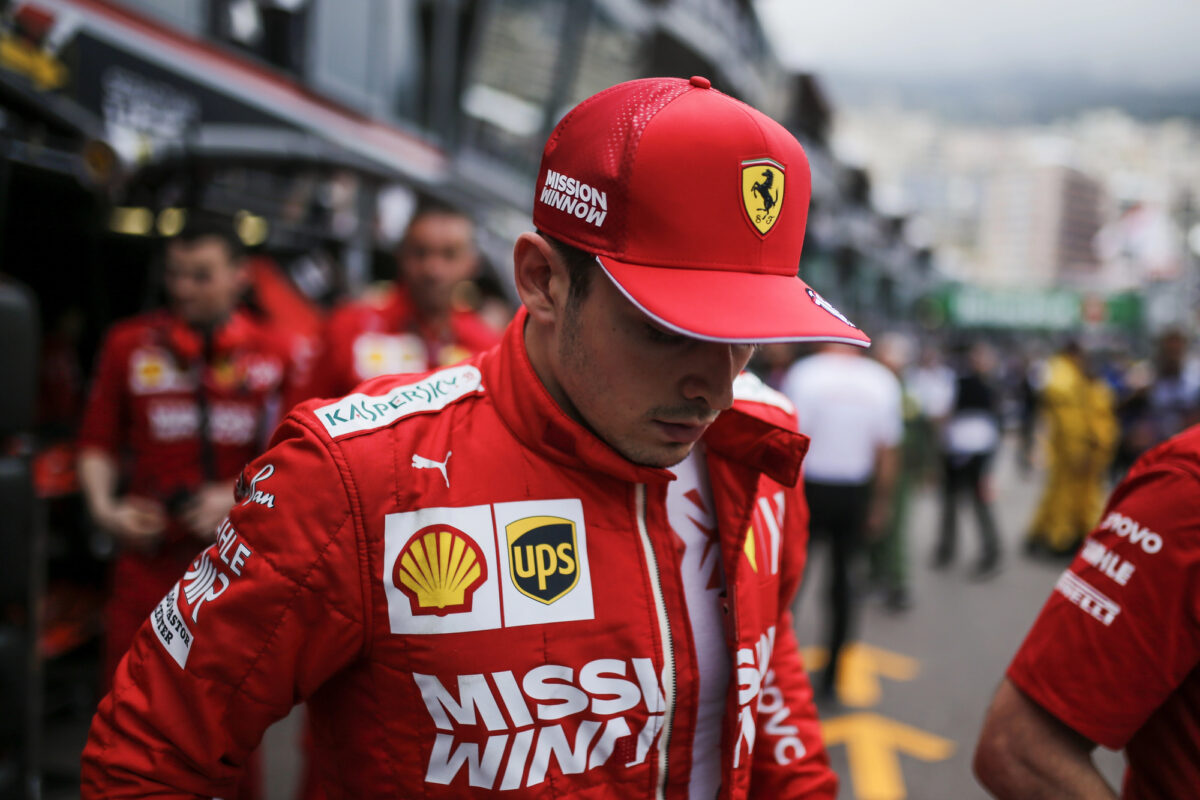
Sam saw it from the water on a small shuttle boat across the harbour at fifty euro a head, which gave a close look at the superyacht fleet backing onto the circuit, including Lionheart. On foot he got as far as the Pirelli operation, where the wets, intermediates and slicks were being prepared, before being politely turned back for want of the right accreditation. It is a useful lesson: in Monaco almost everything interesting sits behind a pass, and the passes are arranged long in advance.
Planning notes
Grandstand seats and yacht or terrace hospitality sell out roughly a year ahead, so commit early. Allow four days on the ground from the Thursday, and expect road closures to reshape how you move around the principality.
Le Rocher and the Palais Princier
The old town on the rock is the only part of Monaco that predates the money, a compact grid of lanes high above the sea leading to the Grimaldi palace and the state apartments. Walk it as a loop: the palace square and the changing of the guard, the cathedral where Grace Kelly is buried, then the Jardins Saint-Martin, a shaded cliff path with the best sea views in the country and no admission at all. After the glass towers of Monte Carlo it is a relief.
How to do it well
Come after four in the afternoon when the day trippers have thinned out, allow two hours including the state apartments, and check in advance whether the palace is open to visitors that month.
Casino de Monte-Carlo and Le Bar Américain
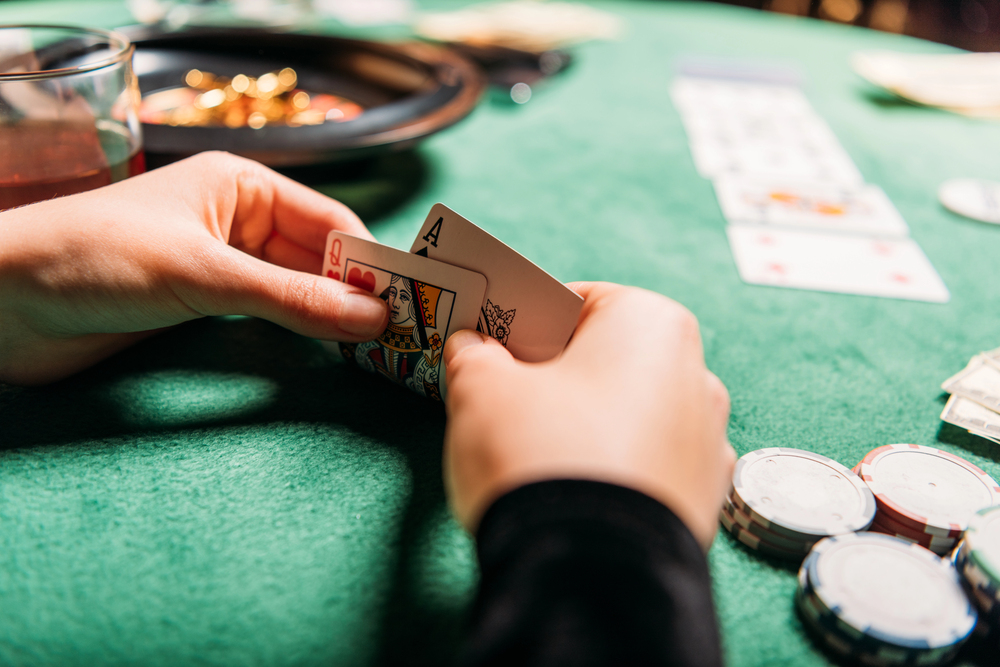
Charles Garnier’s casino is pure Second Empire theatre, all gilt, frescoes and Salons Privés, and the atrium and gaming rooms can be visited in the morning as a museum before play begins. For a drink, the better move is Le Bar Américain in the Hôtel de Paris across the square, a jazz bar of dark wood and martinis that has barely changed in a century. Between the two you can have a very civilised evening without touching a roulette wheel.
How to do it well
Take the guided morning visit for the architecture, then return after eight for a drink and the gaming floors. Jacket on, passport in your pocket for identification.
Marché de la Condamine
Most visitors never leave the quay, and so never find the covered market a block inland where Monaco actually shops and eats. The counters do barbagiuan, socca, stuffed vegetables and fresh pasta, taken standing at a bar stool for a fraction of what the harbour front asks. Sam’s day ended at the other end of the scale, a degustation menu with a wine list climbing towards nine hundred euro a bottle, which he sensibly declined. The market is the honest counterweight, and the most useful window into how a Monégasque week really tastes.
How to do it well
Go for an early lunch on a weekday, sit at the pasta or socca counters rather than taking food away, and allow an hour before walking up to Le Rocher.
When to go and how Monaco fits a wider trip
Race week in May is the peak of the year in every sense, including price, and it needs to be booked as its own project well ahead. If you want the principality without the barriers, late spring or September give you warm water, open terraces and a town that still functions normally. Winter is quiet and mild, and the museum and old town carry a short visit easily.
Monaco works best as part of a wider run along the coast rather than a stand-alone stay. Nice is the practical base and the nearest airport, Menton and the Italian border are minutes away, and the hill villages behind the Riviera are close enough for a day. Sam drove in from La Garde-Freinet in the Var, which is a reminder that the Côte d’Azur rewards a car and a bit of route planning. Get the timing, the accreditation and the accommodation sorted early and Monaco stops being an expensive scrum and becomes one of the more memorable days of a European trip.