Carrara
Carrara, Italy

Carrara Marble Quarry Tour: Inside the Mountain

Why a Carrara trip belongs in your Tuscany plans: underground marble quarries, the Apuan Alps, Colonnata lardo and an easy coastal base.

Italy 5 landmarks Tailored by Cartier World Travel

A Carrara marble quarry tour is one of those rare experiences that rearranges the way you look at an ordinary thing. Most of us have stood in a tile showroom and pointed at a marble benchtop without a second thought. Then you drive up into the Apuan Alps above Carrara, in the north west corner of Tuscany, and you find an entire industrial city carved into the inside of a mountain, with blocks the size of shipping containers waiting to be moved. It is loud, dusty, faintly alarming and utterly unforgettable, and it is well worth the detour on any Italian itinerary.

Carrara itself is a working town rather than a postcard one. The marble is the point. It has been quarried here since Roman times, and it is the stone that Michelangelo came looking for when he wanted something white enough and pure enough to carve. The quarries that supplied the Renaissance are still open, still cutting, and you can go inside them.

What a Carrara marble quarry tour actually involves

You are taken into a live worksite, not a museum. Helmets are handed out at the entrance, guides raise their voices over the machinery, and the scale takes a moment to register. The galleries run deep into the rock, opening into chambers with ceilings held up by nothing more than columns of the mountain itself, left in place by design. On Sam Newman’s visit, the guide explained the engineering that keeps the whole thing standing, which is the question everyone asks within about thirty seconds of walking in.

Outside the tunnels, the open pits are just as striking. You look down into a stepped white amphitheatre where blocks have been cut away in clean rectangles, and the depth of it does the explaining for you. Bring a jacket. Inside the mountain the temperature stays cool year round, whatever the weather is doing on the coast below.

Reading the stone

Part of the pleasure is learning the grading. As Sam’s guide explained, the whiter and clearer the marble, the more it is worth. The greyer, more heavily veined blocks stacked around the yard are the everyday stone that ends up in bathrooms and kitchens. The flawless, luminous pieces are the ones the sculptors come for, and a single block bound for a studio carries a price that makes sense only when you see how much mountain had to be removed to find it.

Who owns a mountain

The arrangement is unusual and worth understanding before you go. The mountain belongs to the city of Carrara. The companies who cut it work under concession and pay the comune for the privilege, which is why several separate quarry operations run side by side across these peaks rather than a single owner controlling the lot. Standing beside a forty tonne block with a truck manoeuvring behind you, the arithmetic of the whole industry starts to feel genuinely mind boggling.

Beyond the quarries

Carrara sits close to the sea, and the marble leaves through the port at Marina di Carrara, so you can watch the last stage of the journey without going far. Up in the hills, the village of Colonnata is known for lardo cured in basins cut from the local stone, which is about as direct a link between landscape and lunch as Italy offers.

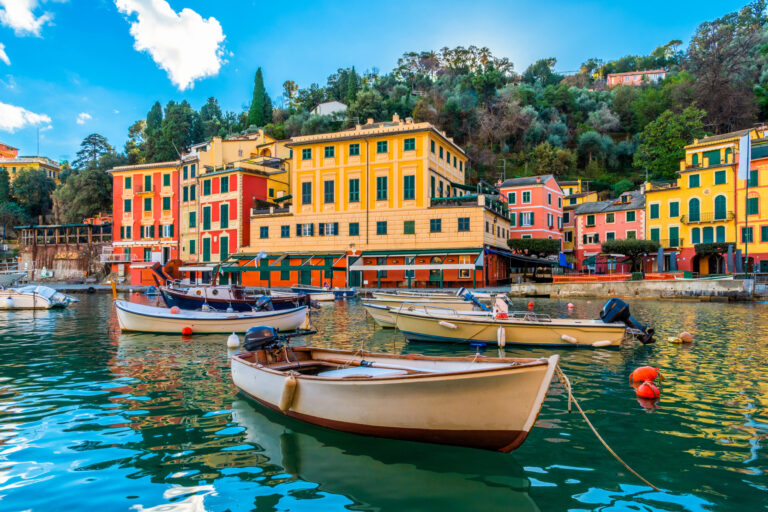
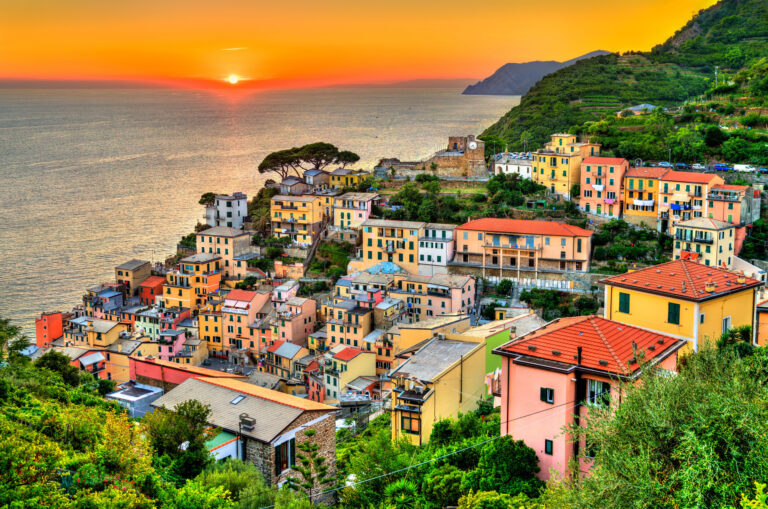
The town is also well placed for the wider region. La Spezia is a short run up the coast, and from there the five Cinque Terre villages, Monterosso, Vernazza, Corniglia, Manarola and Riomaggiore, are strung along the cliffs and linked by train and by boat. Plenty of travellers walk between them. Plenty more take the ferry and let the coastline do the work, which is a sensible way to see it if you have already spent a day underground. Pisa and Lucca are both within easy reach inland.

When to go and how it fits

Late spring and early autumn are the kindest times, with settled weather and the Ligurian coast less crowded than it is in high summer. Quarry access depends on the working schedule of a live industrial site, so this is one to book rather than turn up for, and a private guide is worth it given how much of the story is explained rather than seen.

Carrara slots neatly into a northern Italy itinerary between Florence and the Ligurian coast, and it earns its place by being nothing like the days on either side of it. If you want a trip built around that kind of contrast rather than a fixed circuit of the obvious, we can shape the route, the timing and the guides around what actually interests you.

In his own words

What Sam said

The next time you go into your National Tiles or Bed Bath and Table and you ask for a marble floor, just think of the immense size of this industry here. Sam Newman, on the ground
See it for yourself

Sam Newman in Carrara

Filmed on Sam's own trip through Europe, parts of which Cartier World Travel arranged.

On the map

Carrara laid out

What to see

Carrara, up close

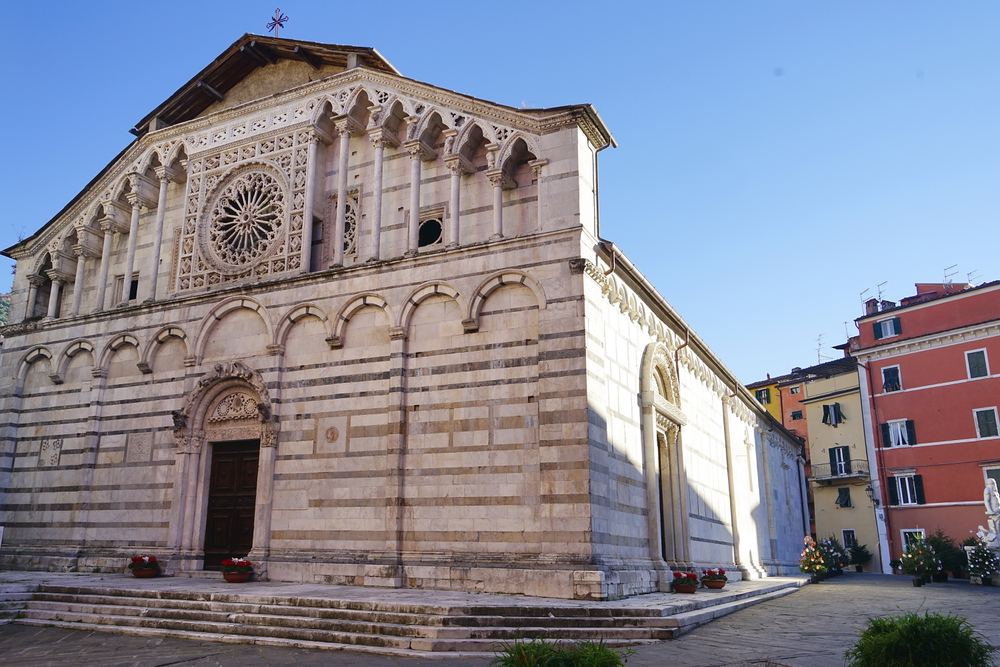
Duomo di Sant'Andrea e il centro storico (Saint Andrew's Cathedral and the old town)
01

Duomo di Sant'Andrea e il centro storico (Saint Andrew's Cathedral and the old town)

Walk and architecture

Carrara built its cathedral out of the stuff it sells, so the striped Romanesque and Gothic facade and the rose window are all local marble, and the pavements around it are marble too. From Piazza Duomo wander to Piazza Alberica, past the house where Michelangelo is said to have lodged, then along the Carrione torrent where old sculpture workshops still line the banks. It is a working town rather than a polished tourist set, and better for it.

Walk it in the hour before evening aperitivo when the marble goes warm gold and the piazze fill, allow ninety minutes, and check the cathedral is not closed for a midday break before you commit.

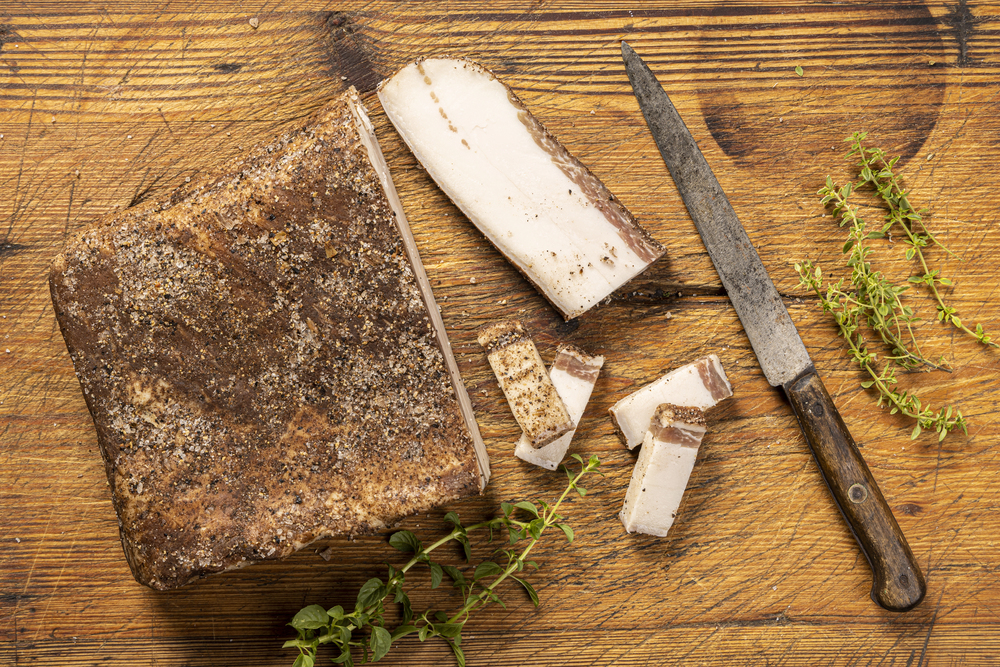
Colonnata e il lardo di Colonnata IGP (Colonnata and its cured lardo)
02

Colonnata e il lardo di Colonnata IGP (Colonnata and its cured lardo)

Village and food experience

A quarrymen's hamlet clinging to the marble above Carrara, where pork back fat is cured with rosemary, garlic and pepper in marble basins called conche in cool cellars. Eaten warm on hot bread it is one of Italy's great cheap luxuries, and the local trattorie also do testaroli and quarry worker stews. The drive up is a series of hairpins past active cave, which is half the pleasure. Buy from a producer with the IGP mark rather than a supermarket.

Go for a long lunch on a weekday, book the table in advance as the village has few seats, allow three hours with the drive, and hire a car or driver because the road is narrow and the wine is good.

03

Cava Museo Fantiscritti e Galleria Ravaccione (Fantiscritti Quarry Museum and the Ravaccione Gallery)

Marble quarry tour, underground

This is the reason to come. A vehicle takes you deep inside a working mountain, through cathedral-scale chambers cut from pure white statuario, the same basin Michelangelo picked blocks from. Guides explain the wire saws, the terrazzo of waste marble and why the water running through the galleries is milky. Outside, the open air terraces above Miseglia give you the whole amphitheatre of quarries at once.

Season runs roughly spring to late autumn, book the underground tour a few days ahead in summer, take the first slot of the day for clean light on the drive up, allow two hours including the open air museum, and bring a jacket plus closed shoes because the tunnel sits near 16C year round.

04

Campocecina e Foce di Pianza

Mountain viewpoint

Most visitors do the quarry tour and drive back to the coast, which means they miss the best view in the Apuane. From the high road above Carrara you look down onto the white quarry terraces on one side and across to the Ligurian Sea, Portovenere and on clear days Corsica on the other. There is a rifugio for a coffee and easy walking on the ridge for anyone who wants an hour on foot. Sunset here is the single most photogenic thing in the province.

Drive up in the late afternoon for sunset, allow two to three hours from town including stops, take a fleece as it is much colder than the coast, and skip it entirely if cloud is sitting on the ridge.

05

Laboratori artistici del marmo, Via Carriona

Working sculpture studio visit

Carrara's historic studios still carve for international artists, translating maquettes into stone with pointing machines, diamond tools and, increasingly, robots working alongside hand finishers. A visit puts you in the dust with the artisans rather than behind glass, and you understand why sculptors have come here for five centuries. Several long established laboratori along Via Carriona and the surrounding lanes will receive visitors. Commissions and small pieces can be shipped to Australia.

Email or phone at least a week ahead to arrange a visit as these are workplaces not attractions, go on a weekday morning when the saws are running, allow an hour, and wear clothes you do not mind coating in marble dust.

Contact us about

Carrara

Tell us roughly when and for how long. We build the rest around you, the way we built Sam's.

    Have you booked your flights? *