Everyone thinks they already know Pisa, and then they stand in front of it. Climbing the Leaning Tower of Pisa is the rare famous thing that is genuinely odd to experience in person, because the tilt is not something you look at so much as something you feel underfoot. Photographs flatten it. The staircase does not.
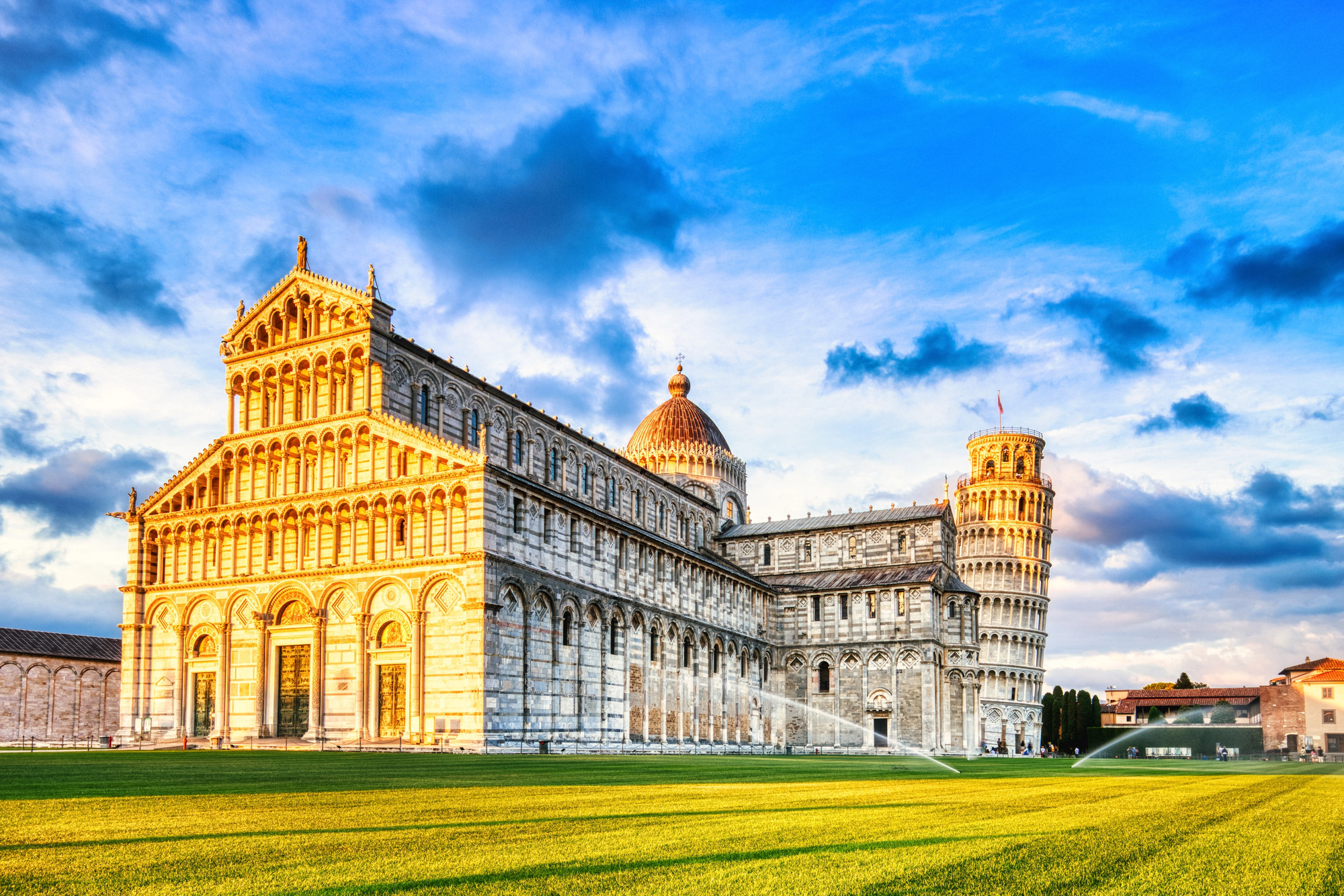
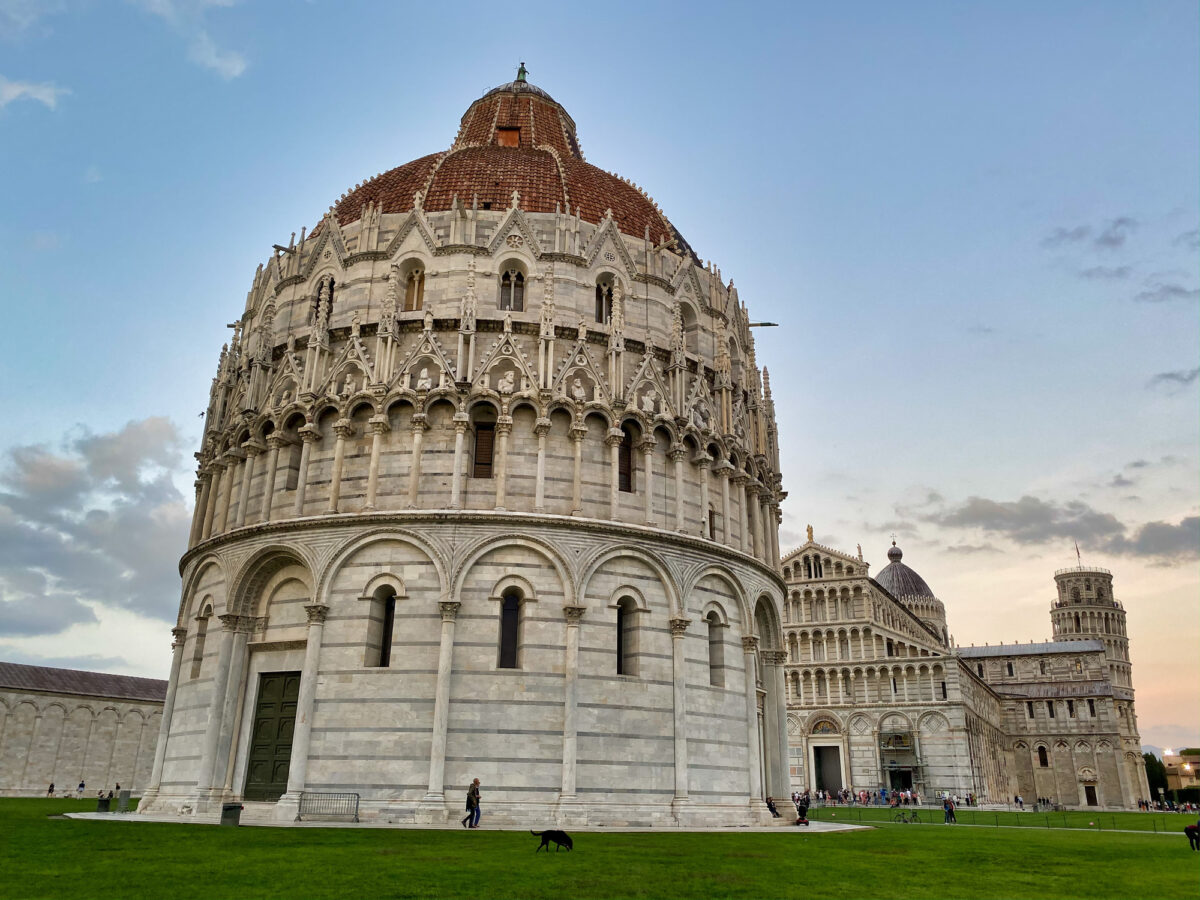
What surprises most Australians is how quiet the setting is compared with the postcards. The tower stands on a broad green lawn at the northern edge of the old city, alongside a cathedral, a baptistery and a walled cemetery, all in pale marble. It is a short, walkable pocket of Tuscany that rewards a couple of unhurried hours rather than a ten minute photo stop.
Why climbing the Leaning Tower of Pisa is worth the flight
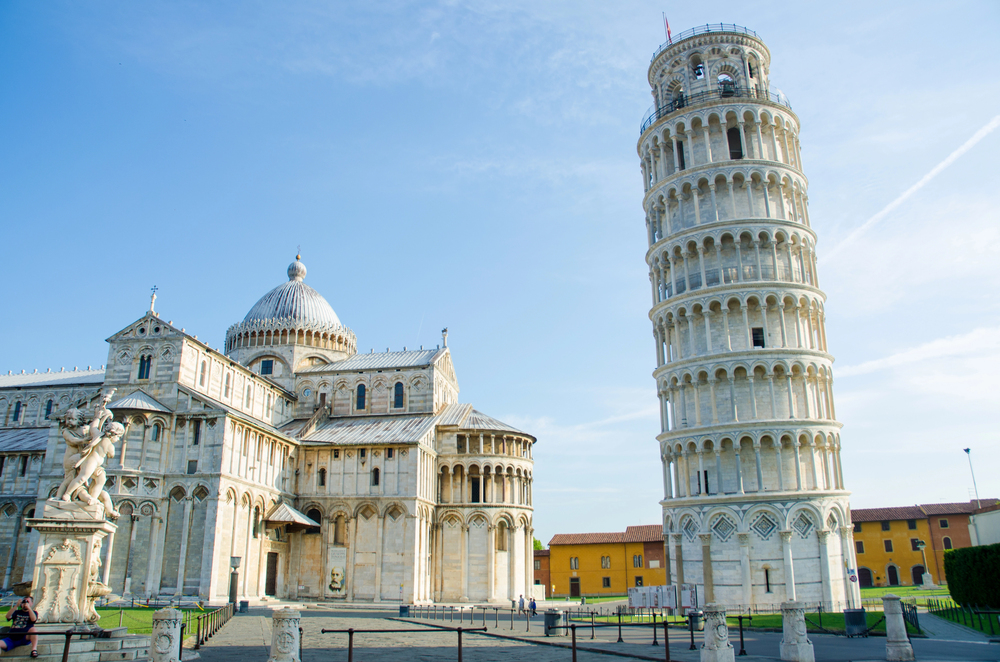
The tower is the freestanding bell tower of Pisa’s cathedral, begun in the twelfth century on ground that was never going to hold it straight. The lean appeared early, builders tried to correct it as they went, and the result is a structure that curves slightly as it rises. Decades of engineering work have since stabilised it.
From directly in front, oddly, it barely looks crooked at all. You have to move around to the side before the angle declares itself, which is exactly what Sam Newman discovered while circling the lawn and complaining that from one spot it looked perfectly upright. Walk the full loop of the building before you queue. The lean reveals itself differently from every quarter, and at the base you can see the struts and excavation work that have gone into holding it where it is.
What the climb feels like
Inside, it is a stone spiral against the outer wall, and the tilt does the steering. On one side of the tower the lean tips you into the wall, and on the other side it pushes you away from it. The treads have been worn hollow on one side accordingly, polished by centuries of the same lopsided traffic, and the marble around head height is dark and grainy from hands steadying themselves.
Sam counted 251 stairs to the top, taken in stages, with the bell chamber arriving just when you have decided you must already be there. It is a real climb rather than a stroll, it is enclosed, and coming down is arguably the stranger sensation of the two. Anyone unsure about narrow spiral staircases or heights is better off enjoying the tower from the lawn, where the view of it is honestly the better one.
The reward at the top
The bell chamber is open to the air and hung with bells, and it looks straight down onto the roofline and dome of the cathedral. Beyond that you get the whole ordered sweep of the piazza, the city’s terracotta rooftops and the Tuscan flatland running off towards the coast. It is one of the few great monuments where the best view is of its own neighbours.
The rest of the Field of Miracles
The tower gets the attention, but the cathedral next to it is the reason the tower exists, and it is worth going inside. There is a dress code, as Sam found out on the way up, so shoulders need to be covered if you want to walk in rather than wait outside for whoever came dressed sensibly. A light scarf or shirt in your day bag solves it.
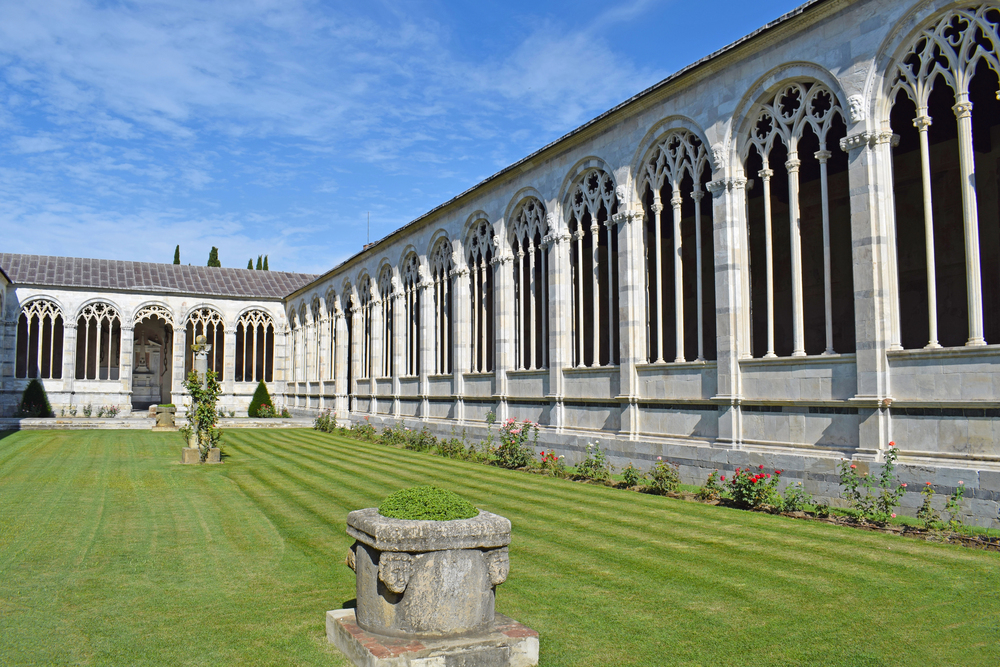
The piazza also holds a round baptistery and the long cloistered cemetery on its northern side, plus a modern sculpture on the grass that Sam attached an entirely invented backstory to on camera, involving an angel that supposedly toppled from the tower when the tilt began. Enjoy it as fiction. The real history of the place is strange enough without help.
Beyond the piazza
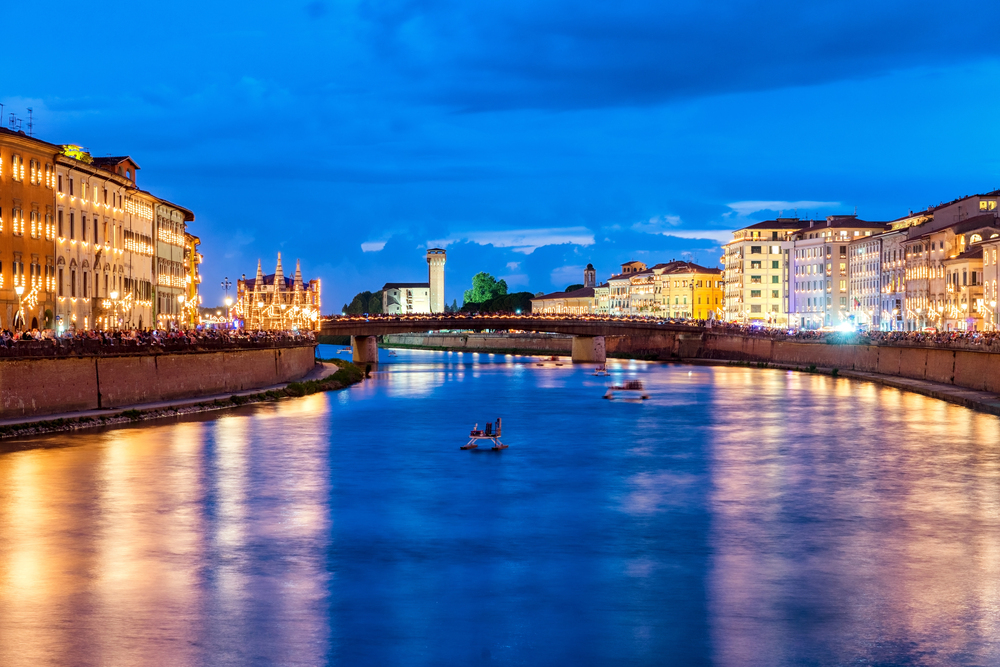
Most visitors never leave the lawn, which is a small waste. Pisa is a proper Tuscan university city with a working centre, a river cutting through it, arcaded streets and food that is priced for locals once you are a few blocks away from the monuments. Give yourself an afternoon and it stops being a stop on a list.
When to go and how Pisa fits a wider trip
Spring and autumn are the kindest, with mild days and thinner crowds, and they suit the climb far better than the heat of high summer inside a stone shaft. Winter is quiet and clear, which flatters the piazza. Whenever you go, tickets to ascend are timed and numbers in the tower are limited, so it needs to be locked into the day rather than left to chance.
Geographically Pisa is a gift. It sits close to the Tuscan coast, an easy run from Lucca, within comfortable reach of Florence, and its airport makes it a sensible entry or exit point for an Italian leg. That is how we like to build it for travellers: a night or two in Pisa so the tower is done properly in the morning light, then onward into Tuscany rather than doubling back. If you would like your own Italian itinerary shaped around the things you actually want to see, we would love to plan it with you.