
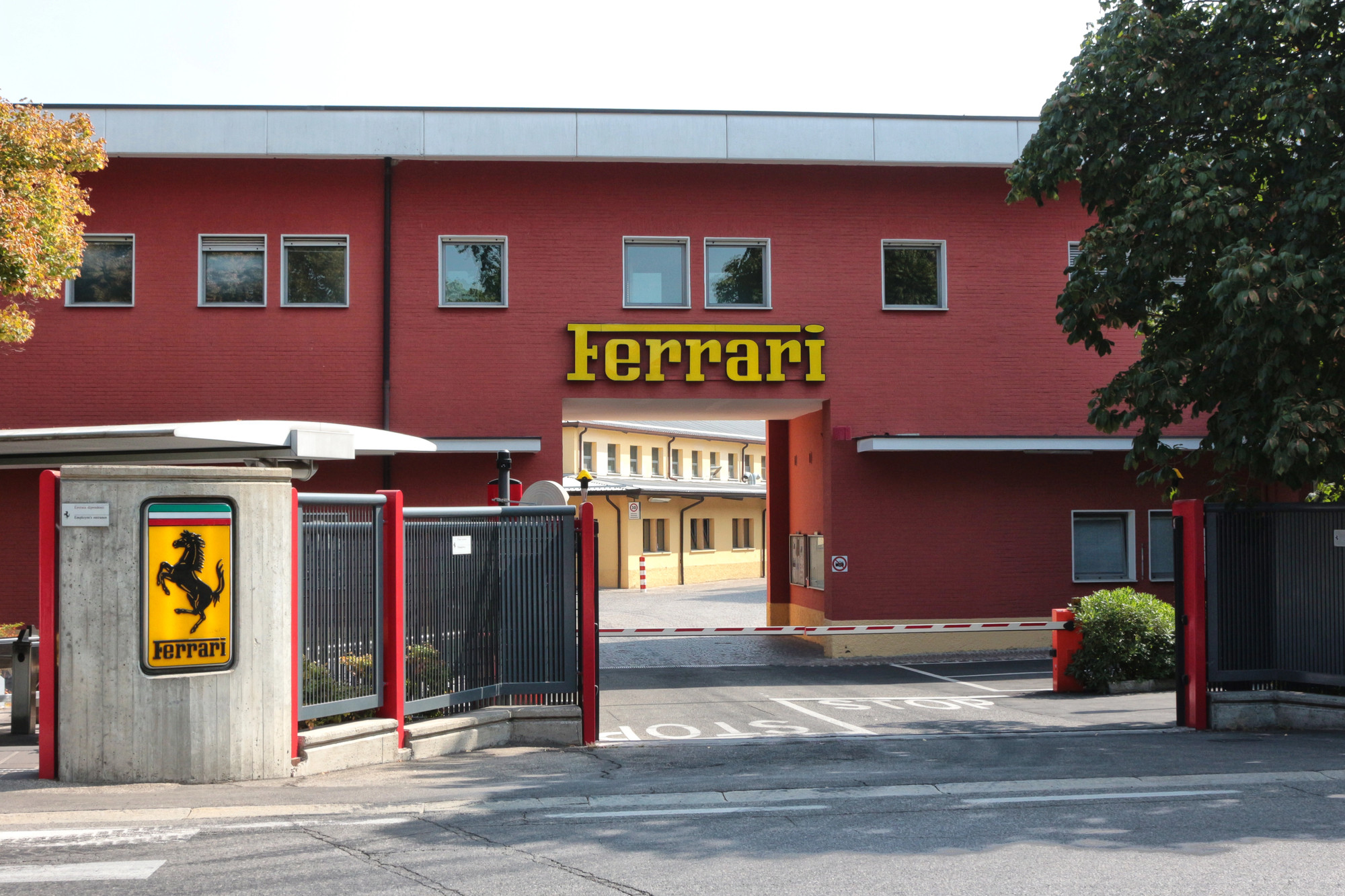
The Ferrari Museum in Maranello rewards a detour rather than a holiday built around it. The town is small and flat, a working corner of Emilia-Romagna where tractors and supercars come from the same few square kilometres of the Po Valley. The prancing horse above the gate and the queue of visitors from every continent make clear that this modest place is one of motoring’s pilgrimage sites. Maranello is not a base. It is a half day wedged into a driving route, in the middle of some of the best eating country in Italy.
What the museum shows
The museum sits within sight of the factory gates, but the working factory is not part of a general visit, so what you see is the collection rather than the production line. The halls run from the earliest road cars through endurance racers to a long line of Formula 1 machinery, and cars are rotated in and out of display.
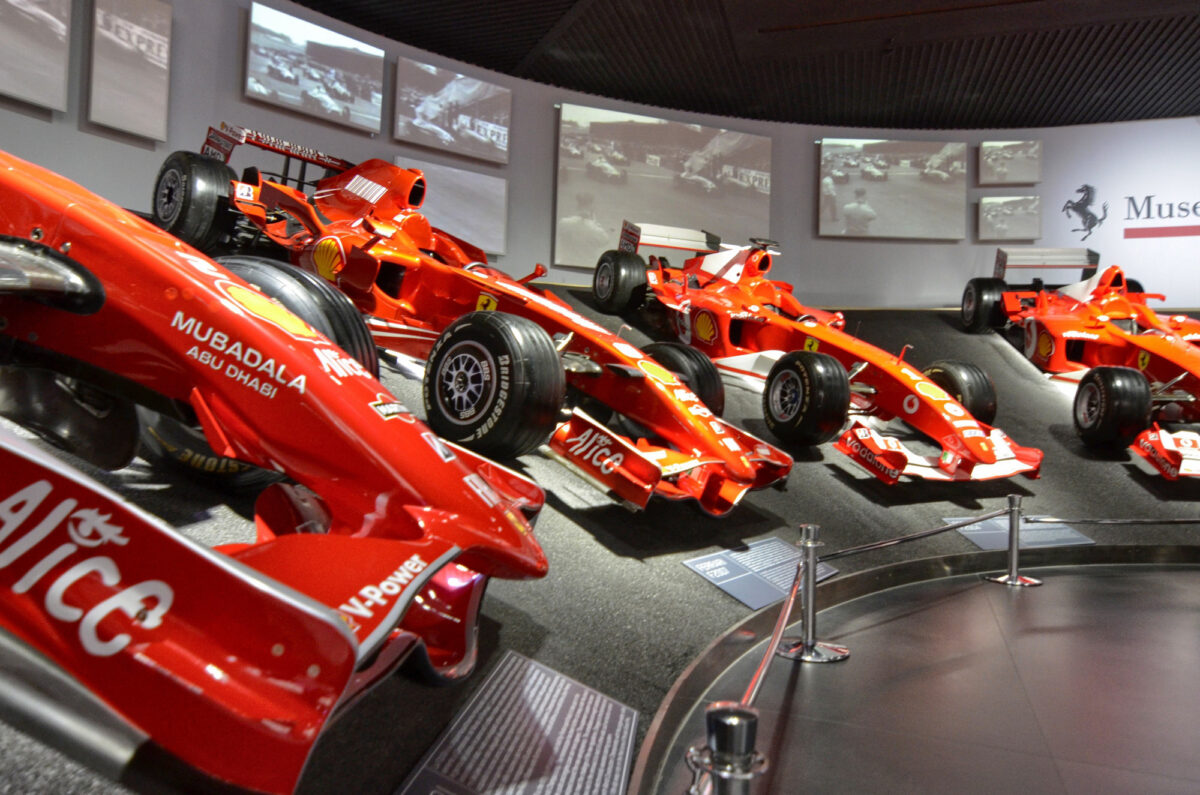
The Formula 1 room is the one that stops people. In front of the naturally aspirated cars of the late nineties and early two thousands, the Michael Schumacher era, you notice how small and how brutally simple they were next to today’s hybrids. Seeing them silent under museum lighting is a strange, slightly reverent experience.
Elsewhere there are Le Mans and sports prototype cars, including machinery from the era of the Ford rivalry that many people now know through the film, a pit stop display showing how quickly a modern crew changes four tyres, and a room of scale models and memorabilia.
Practical notes
- Entry is ticketed and the museum gets genuinely busy, so arriving early helps.
- A guided tour is worth considering if you want context rather than a walk past a lot of red bodywork.
- There is parking nearby, and the town is easy to reach by car from Modena or Bologna.
The rest of the Motor Valley
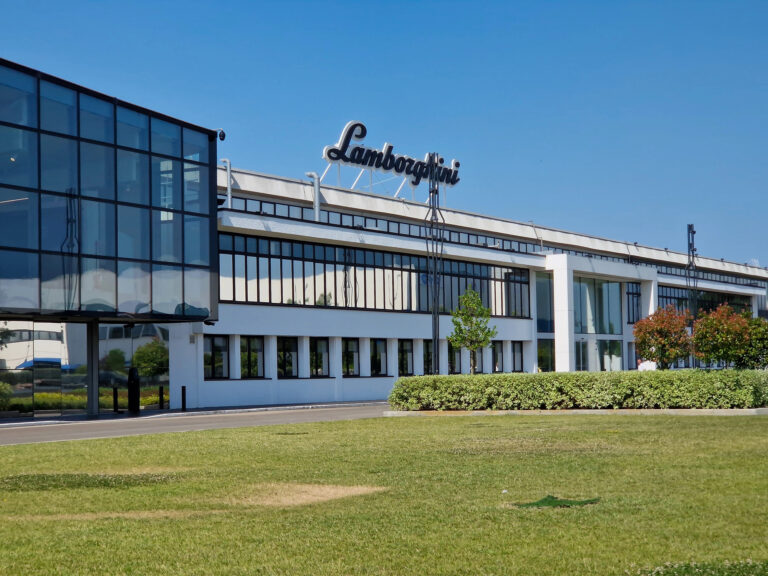
Maranello is one stop on a larger circuit. Modena has the Museo Enzo Ferrari, built around the house where he was born and telling a more personal side of the story. Sant’Agata Bolognese, around half an hour north, is home to Lamborghini and its museum. Ducati has a museum on the edge of Bologna, and Pagani is not far away either. Four or five marques within an hour of each other is no coincidence in a stretch of Emilia-Romagna that has been engineering things beautifully for a century.
Do not treat this as a motoring stop only. You are in Parmigiano Reggiano country, in the province of traditional balsamic vinegar of Modena, prosciutto, tortellini in brodo and tagliatelle al ragu. A long lunch in Modena, or a visit to a cheese dairy or an acetaia, balances out a morning of carbon fibre.
When to go
Late spring and early autumn are the sweet spots. Summer on the Po plain is hot and humid and the museum is at its busiest, while winter is quiet but grey. May, June, September and early October bring comfortable driving weather.
Maranello slots neatly into a self drive between the north and Tuscany: fly into Milan or Venice, work through Emilia-Romagna with a night in Bologna or Modena, then take the old Apennine roads over the Futa and Raticosa passes, part of the historic Mille Miglia route, and drop into Florence. It also pairs with a Dolomites leg beforehand or the Ligurian coast afterwards. Sam Newman, who stopped here on the way south to Tuscany, was struck as much by the crowds as the cars.
What Sam said
I'm not sure Ferrari would actually have to win any Grand Prix. They could sustain themselves on that particular exhibition and museum. Sam Newman, on the ground
Sam Newman in Maranello
Filmed on Sam's own trip through Europe, parts of which Cartier World Travel arranged.
Other stops on Sam's journey
Maranello
Tell us roughly when and for how long. We build the rest around you, the way we built Sam's.