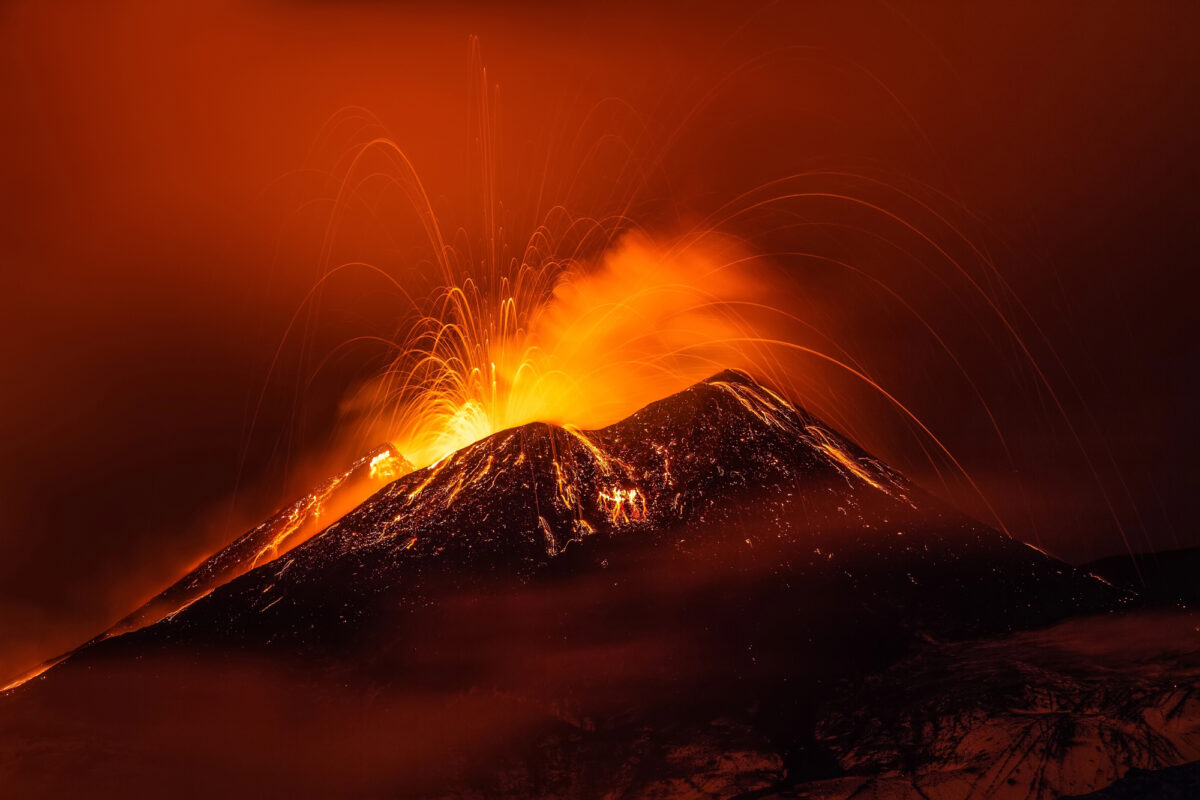
Visiting Mount Etna is one of the few things in Europe that still feels genuinely unpredictable. Sicily’s great volcano is the most active in Europe, it sits in plain view of Catania and Taormina, and on a clear morning you can watch it steaming from the coast road long before you start climbing. What makes it worth the flight is not just the size of the thing. It is the strangeness of an entire day’s infrastructure, roads, car parks, cafes and cable cars, built onto a mountain that is still working.
Sam Newman took the southern approach on his way through Sicily, and his video captures the part most people underestimate: getting to the high ground is a staged process, and each stage is a decision.
Why the mountain earns a whole day
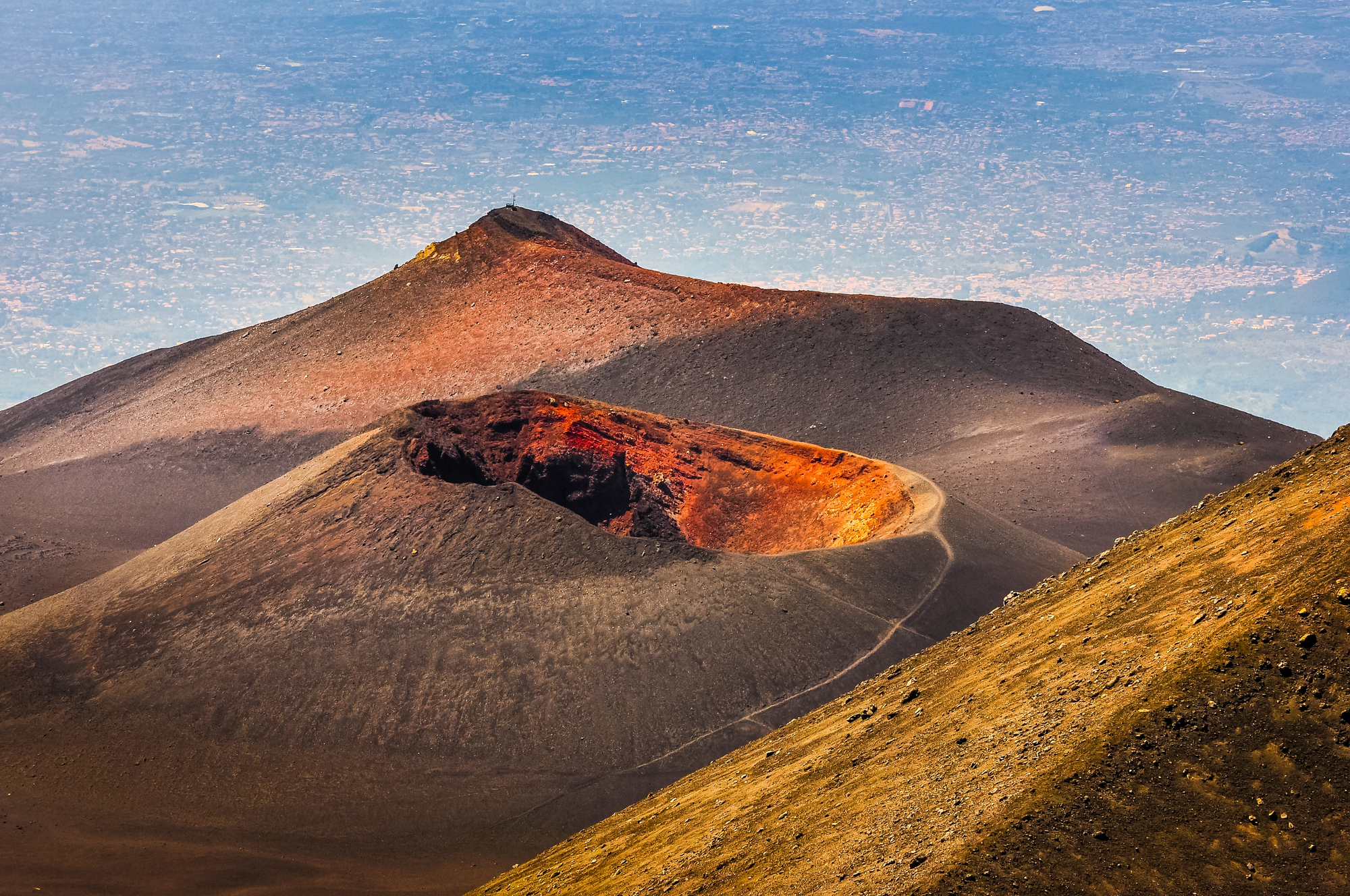
Etna is not a lookout you tick off between lunch and a beach. From the base of the mountain to the highest point visitors are permitted to walk, you climb through several distinct landscapes: chestnut and pine on the lower slopes, then black ash and cinder, then a bare grey-brown surface with almost nothing living on it. Sam described standing up there and feeling like he was on the moon, which is close to how most first-timers describe it.
Along the way you pass older craters that have long gone quiet and the tracks of lava flows that have set hard and begun breaking down into soil. The mountain rebuilds itself constantly, which is why maps of the upper slopes date quickly and why guides, rather than signposts, run the last section.
Visiting Mount Etna: how the ascent actually works
On the popular southern side, the day comes in parts, and it helps to know that before you set out.
Drive to the base station
A winding road climbs from the towns below to a large car park and a cluster of buildings, shops and cafes on the mountain. This is where the cable car begins, and it is already high enough that the temperature drops noticeably from the coast.
Cable car, then four-wheel drive
The cable car lifts you to a marshalling point on the upper slopes. From there, specially built four-wheel drive buses continue up the track. Sam’s cable car paused briefly on the way, which is worth knowing simply so it does not rattle you: the cabins hang over steep ground and stops happen.
The guided walk
The last section is on foot with a guide, and it is the part that catches people out. It looks a long way up when you are standing at the drop-off point, because it is. The surface is loose volcanic grit, the air is thin and the wind has nothing to slow it down. You are not walking to the true summit, and you should not expect to. You are walking to the highest point visitors are allowed, which is more than enough.
Lava, warm ground and the different tours
There is more than one way up and more than one product on offer, and they do not all show you the same thing. Quad bike tours run on other flanks of the mountain. Guided sunset trips with dinner are sold as getting closer to any active flow. Sam was told plainly by his guide that you cannot see a flow from every option, and that the sunset run goes nearer to it, which is a fair summary of the situation: what you see depends on which tour you buy and on what the volcano is doing that week.
What is reliable is the ground itself. Where lava has settled below the surface, you can feel warmth coming up through it, and Sam checked that for himself. It is a small thing that does more to explain an active volcano than any interpretive sign.
The wine grown on the slopes
Lower down, that broken-down lava becomes some of the most fertile soil in Sicily, and the vineyards on Etna’s flanks have built a serious reputation on it. Etna wines carry a distinct mineral character that comes from the mountain, and a tasting on the lower slopes pairs beautifully with a morning up top. If you have the appetite for it, we usually build the vineyards in as the second half of an Etna day, once you are back down in the warmth.
What to wear, and the temperature swing
The gap between the mountain and the coast is the detail travellers most often get wrong. Sam recorded around twenty degrees on Etna and forty back at sea level on the same day. Bring closed walking shoes with decent grip, long trousers, a warm layer and a windproof jacket, even in high summer, then leave your beach clothes in the car. Sunglasses matter too, because there is glare off pale ash and no shade at all.
When to go, and how Etna fits a wider trip
Late spring and early autumn are the sweet spot: the upper slopes are clear of snow, the days are long and the coast is not at its fiercest. Summer works well if you go early in the morning. In winter the mountain takes snow and turns into a ski field, which is its own kind of oddity, though access to the highest points is more limited.
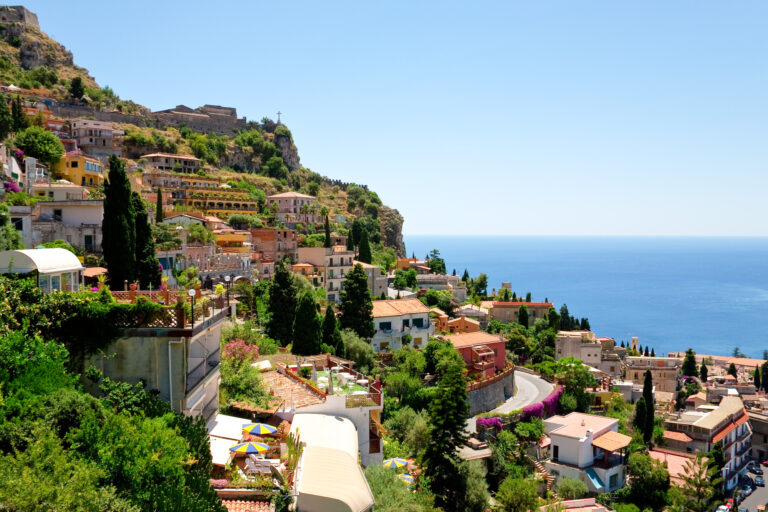
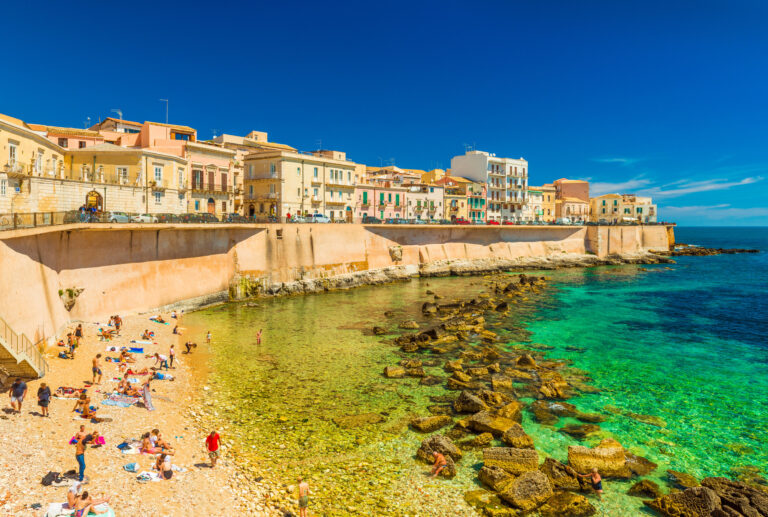
Etna slots naturally into an eastern Sicily week based in Taormina or Catania, with Syracuse and the baroque towns to the south and the Aeolian Islands offshore. Travellers coming down through Italy often see Vesuvius near Naples first, as Sam did, which makes the comparison hard to resist and Etna’s scale all the more obvious. If you would like the staging handled properly, the drive, the right tour for what you actually want to see, and a vineyard afternoon to finish, we can build the day around you rather than around a coach timetable.