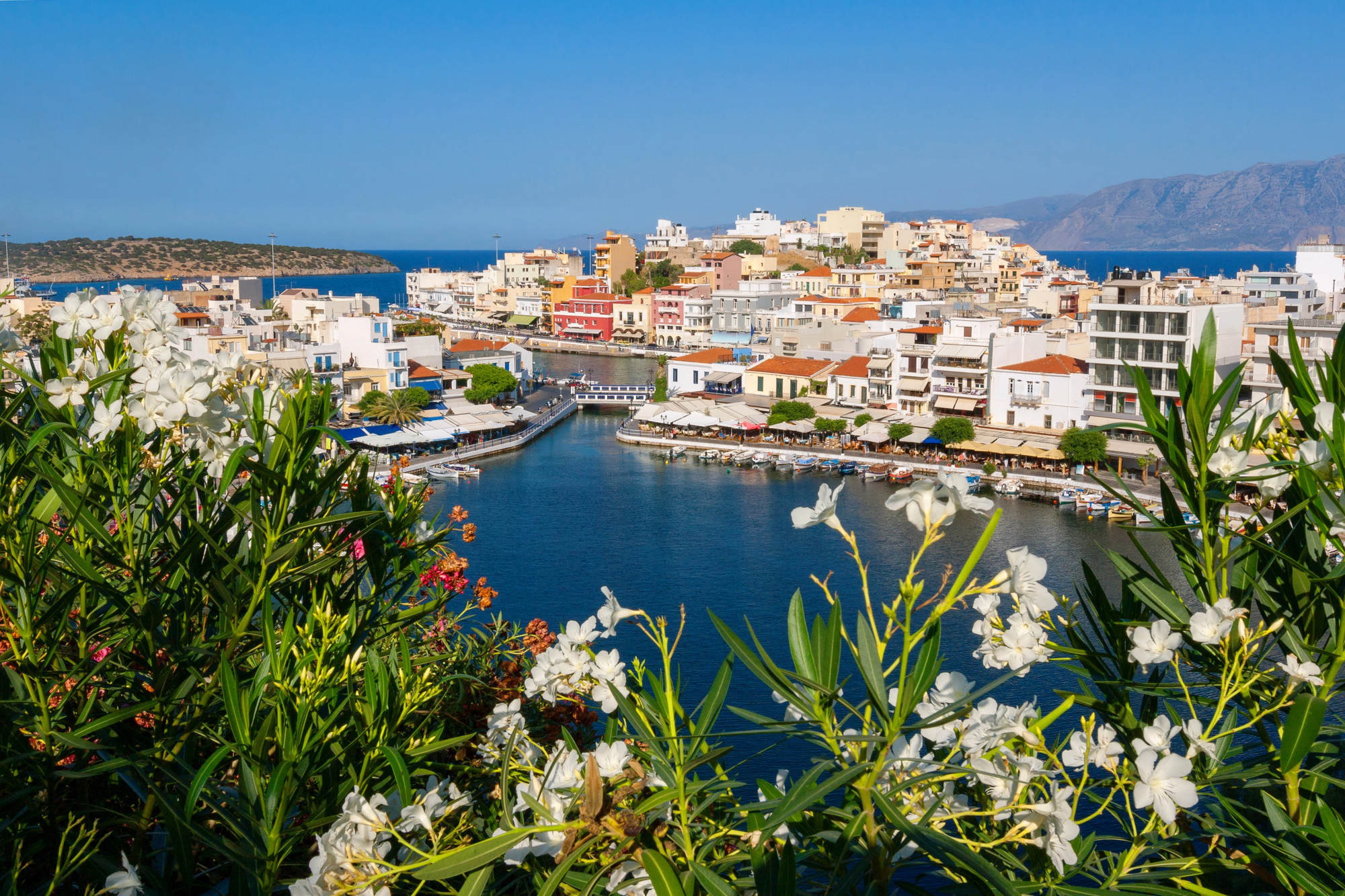
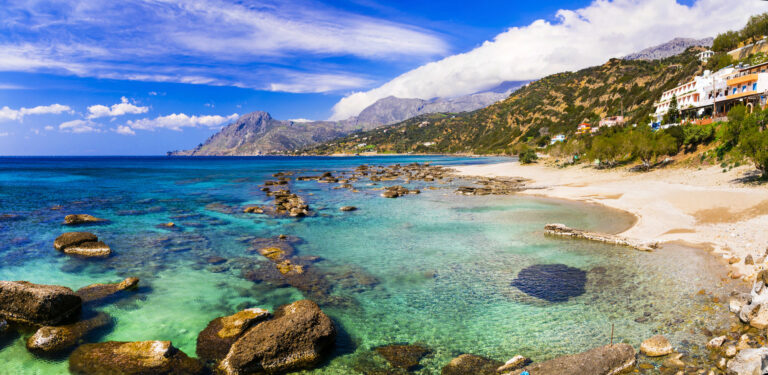
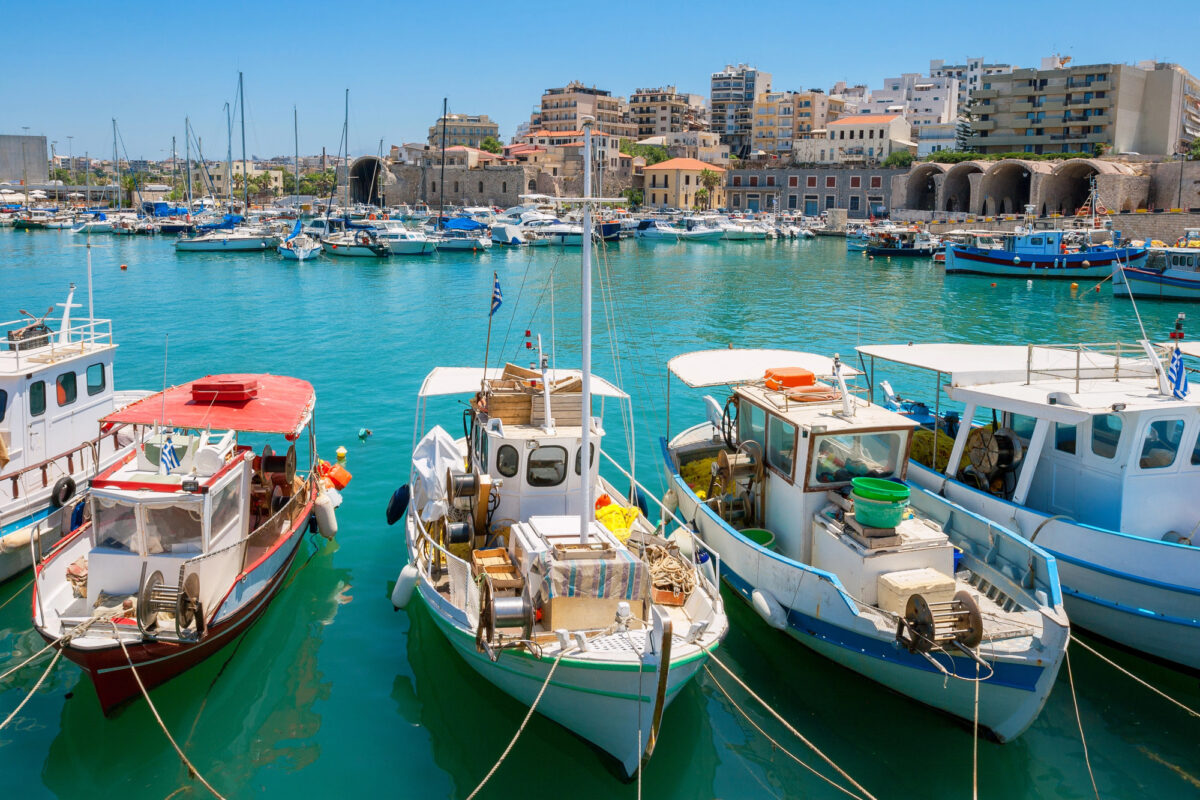
Most travellers meet Crete at sea level, in the harbours, the Venetian old towns and the long strips of sand. Patsos Gorge in Crete is the other island, the one that starts about half an hour inland where the road begins to climb and the olive groves give way to plane trees, goat bells and hairpins. It is the part of the island people tend to skip, and the part that tells you what Crete is actually made of.
Getting to Patsos Gorge in Crete
The gorge, also known as the Agios Antonios gorge, lies above the village of Patsos in the Rethymno region, in the hills that separate the north coast from the Libyan Sea. You reach it on a winding drive through villages and terraced hillsides, and the drive is a genuine part of the appeal. Sam came to it fresh off an overnight crossing, which is how a lot of Australians arrive in Greece after a run through Italy and the Adriatic on the Split to Ancona ferry earlier in a trip.
A ferry into Crete can dock very early, well before any hotel will hand over a room. That is not a problem so much as an opportunity, provided you have something planned for the hours in between. A drive into the hills, a coffee in a mountain village and a shaded walk is a far better use of a morning than sitting in a lobby with your bags.
What the walk is actually like
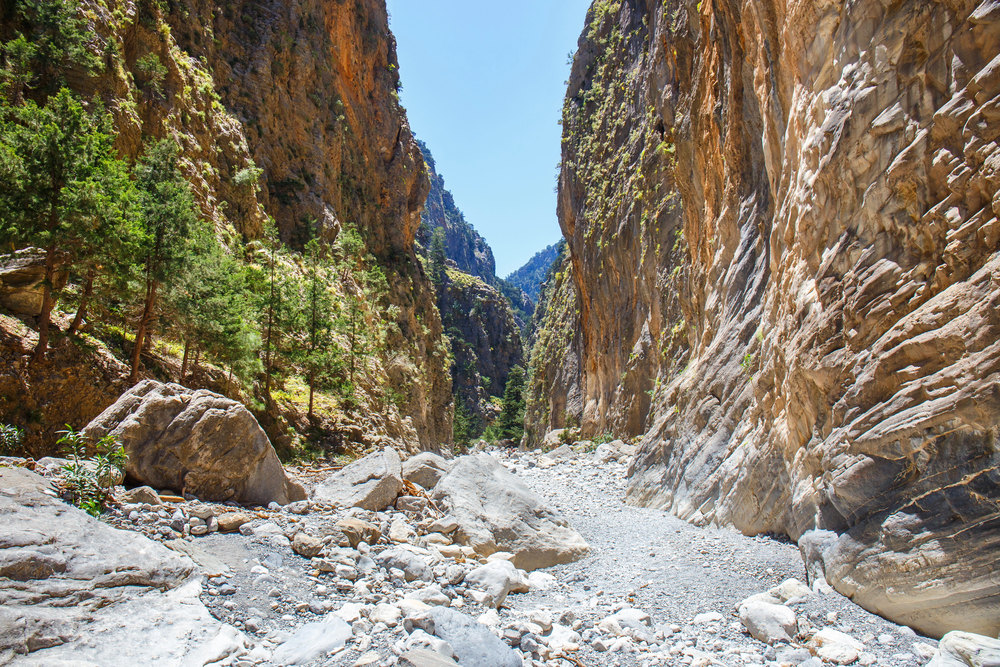
Set your expectations properly and you will enjoy it. This is not a thundering cascade. It is a narrow, green cut in the rock with a stream running through it, walls of stone overhead and enough water to keep the air cool. There is real infrastructure in place, with wooden bridges, handrails, steps, and seats and tables where you can stop, so it suits walkers who want nature without a serious hike.
Three bridges take you up the stream bed. Small caves and hollows open off the path, the undergrowth is thick and the light is the thing to watch for. When the sun is high, it reflects off the water and shivers across the rock walls, which is the sort of detail you only notice if you slow down.
The cave chapel at the entrance
Before the walkway proper there is a stone entrance and the little cave chapel of Agios Antonios, with an altar and offerings left by visitors. It has been a place of local devotion for a very long time and it gives the gorge its second name. Walking sticks are usually left near the start for anyone who wants one.
Spili, the village on the way
The drive up passes through Spili, a quaint and surprisingly lively mountain village that Sam and his travelling companion stopped at for refreshments. It is the kind of place that rewards a proper pause rather than a photograph from the car, with plane trees, shade and tavernas built for long lunches. Many people drive through it on the way to the gorge or on the way down to the south coast, which puts Spili in the happy position of being both a stop and a destination.
Where it fits on a Cretan itinerary
Inland Rethymno works best as a half day between coasts. Come up from the north in the morning, walk the gorge while it is still cool, eat in Spili and then drop down to the Libyan Sea in the afternoon, where the water is warmer and the beaches are quieter than the resort strip on the north side. Three or four days in the region gives you the old town of Rethymno, the hill villages and a swim at the end of each day without ever feeling rushed.
When to go. May to early June and September into October are the sweet spot for walking in the Cretan interior. In high summer the hills can sit around 37 degrees, as Sam found, so anything on foot needs to happen early and the middle of the day belongs to the shade or the sea.
Crete slots naturally onto the end of an Italian or Adriatic run, or as a week of its own after Athens. If you want the island’s harbours, its gorges and its southern beaches in one trip without spending your holiday reorganising it, that is exactly the sort of itinerary we build from scratch, paced around ferry arrivals, drive times and the heat, so each day has somewhere worth being.