A Carrara marble quarry tour is one of those rare experiences that rearranges the way you look at an ordinary thing. Most of us have stood in a tile showroom and pointed at a marble benchtop without a second thought. Then you drive up into the Apuan Alps above Carrara, in the north west corner of Tuscany, and you find an entire industrial city carved into the inside of a mountain, with blocks the size of shipping containers waiting to be moved. It is loud, dusty, faintly alarming and utterly unforgettable, and it is well worth the detour on any Italian itinerary.
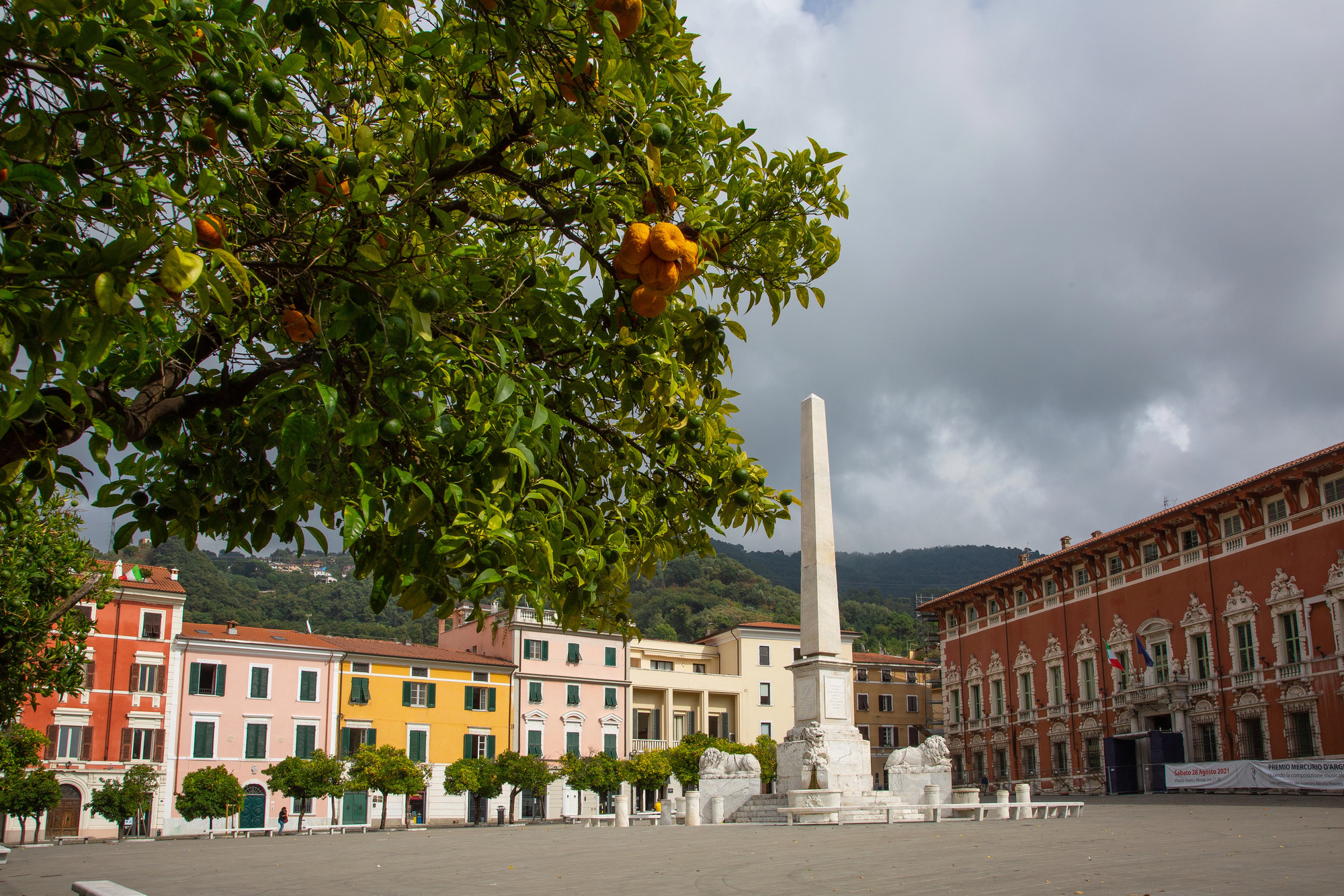
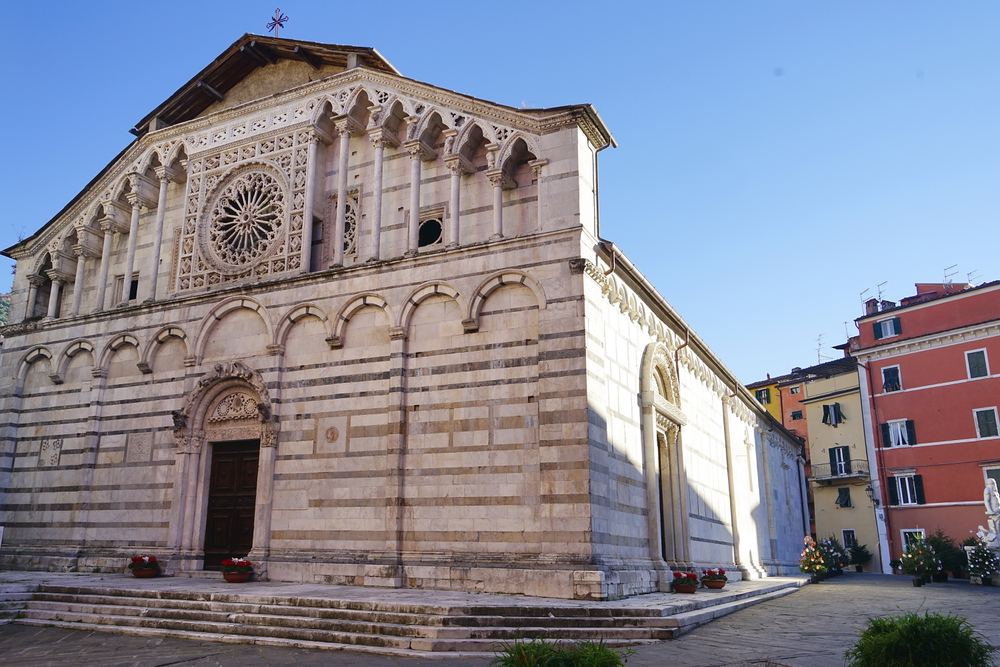
Carrara itself is a working town rather than a postcard one. The marble is the point. It has been quarried here since Roman times, and it is the stone that Michelangelo came looking for when he wanted something white enough and pure enough to carve. The quarries that supplied the Renaissance are still open, still cutting, and you can go inside them.
What a Carrara marble quarry tour actually involves
You are taken into a live worksite, not a museum. Helmets are handed out at the entrance, guides raise their voices over the machinery, and the scale takes a moment to register. The galleries run deep into the rock, opening into chambers with ceilings held up by nothing more than columns of the mountain itself, left in place by design. On Sam Newman’s visit, the guide explained the engineering that keeps the whole thing standing, which is the question everyone asks within about thirty seconds of walking in.
Outside the tunnels, the open pits are just as striking. You look down into a stepped white amphitheatre where blocks have been cut away in clean rectangles, and the depth of it does the explaining for you. Bring a jacket. Inside the mountain the temperature stays cool year round, whatever the weather is doing on the coast below.
Reading the stone
Part of the pleasure is learning the grading. As Sam’s guide explained, the whiter and clearer the marble, the more it is worth. The greyer, more heavily veined blocks stacked around the yard are the everyday stone that ends up in bathrooms and kitchens. The flawless, luminous pieces are the ones the sculptors come for, and a single block bound for a studio carries a price that makes sense only when you see how much mountain had to be removed to find it.
Who owns a mountain
The arrangement is unusual and worth understanding before you go. The mountain belongs to the city of Carrara. The companies who cut it work under concession and pay the comune for the privilege, which is why several separate quarry operations run side by side across these peaks rather than a single owner controlling the lot. Standing beside a forty tonne block with a truck manoeuvring behind you, the arithmetic of the whole industry starts to feel genuinely mind boggling.
Beyond the quarries
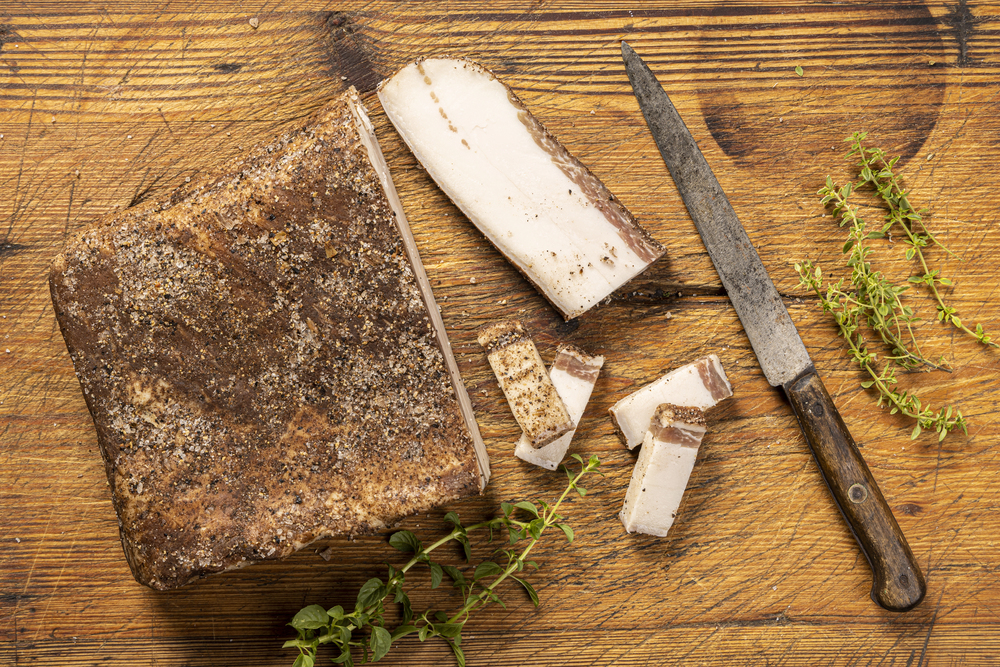
Carrara sits close to the sea, and the marble leaves through the port at Marina di Carrara, so you can watch the last stage of the journey without going far. Up in the hills, the village of Colonnata is known for lardo cured in basins cut from the local stone, which is about as direct a link between landscape and lunch as Italy offers.
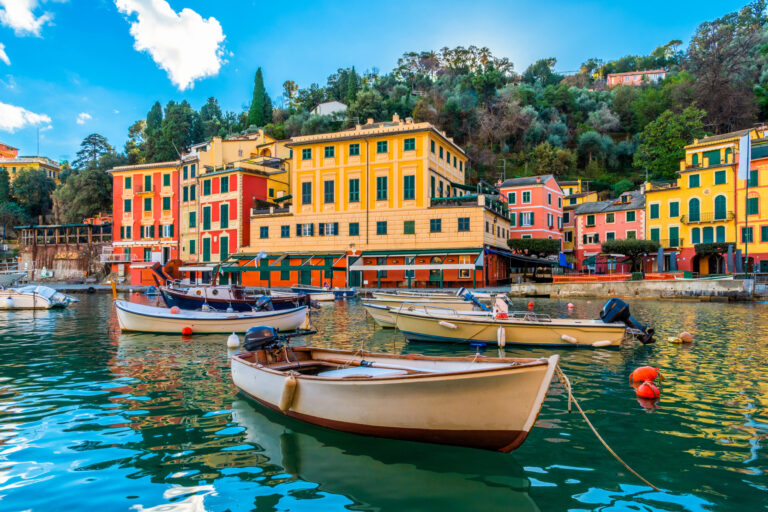
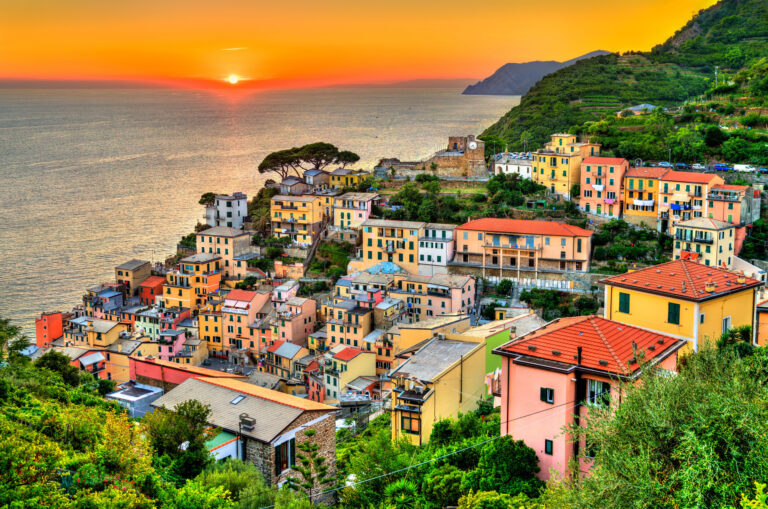
The town is also well placed for the wider region. La Spezia is a short run up the coast, and from there the five Cinque Terre villages, Monterosso, Vernazza, Corniglia, Manarola and Riomaggiore, are strung along the cliffs and linked by train and by boat. Plenty of travellers walk between them. Plenty more take the ferry and let the coastline do the work, which is a sensible way to see it if you have already spent a day underground. Pisa and Lucca are both within easy reach inland.
When to go and how it fits
Late spring and early autumn are the kindest times, with settled weather and the Ligurian coast less crowded than it is in high summer. Quarry access depends on the working schedule of a live industrial site, so this is one to book rather than turn up for, and a private guide is worth it given how much of the story is explained rather than seen.
Carrara slots neatly into a northern Italy itinerary between Florence and the Ligurian coast, and it earns its place by being nothing like the days on either side of it. If you want a trip built around that kind of contrast rather than a fixed circuit of the obvious, we can shape the route, the timing and the guides around what actually interests you.