Most Australians meet Italy in Rome, Florence and Venice, then fly out again without ever seeing the coast that made Genoa rich. That is a pity, because driving the Italian Riviera between Genoa and the Portofino peninsula gives you a stretch of Italy where the mountains fall straight into the sea, the villages are painted in ochre and rose, and the food is some of the best in the country. It is less than an hour of coastline, and it holds more than most regions three times the size.
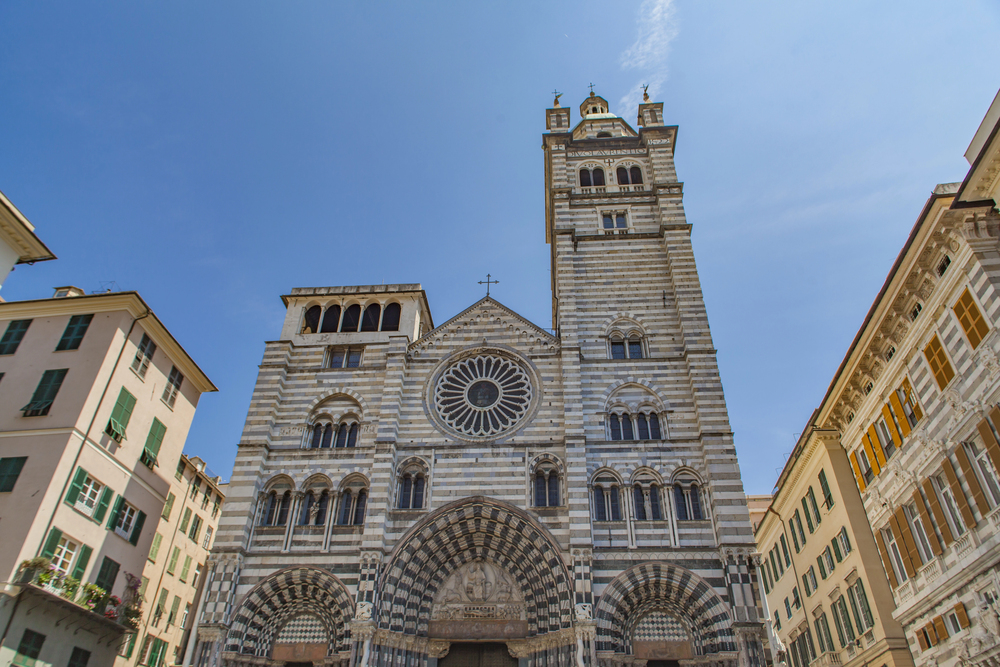
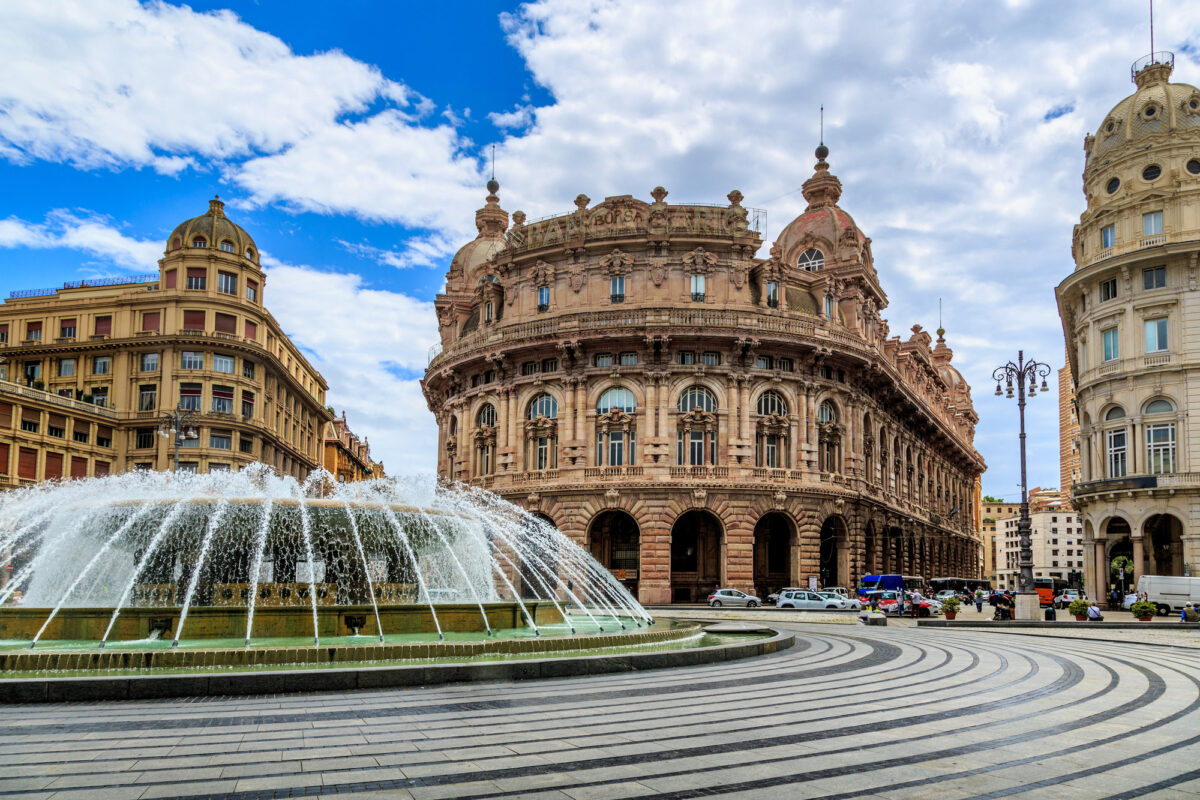
Genoa itself is a working port with one of the largest medieval old towns in Europe folded behind it. The lanes, the caruggi, are narrow enough that daylight only reaches the ground in slices. Focaccia here is a genuine local institution rather than a tourist prop, and pesto was invented in these hills. Sam Newman spent part of his European trip on this coast, and the footage says what the guidebooks tend not to: this is a place you drive through slowly, with your eyes open.
Driving the Italian Riviera: what the road is actually like
There are two roads along this coast, and they are not the same experience. High above, the autostrada crosses the valleys on viaducts and disappears into the mountain in a series of tunnels. It is quick and it is efficient and you see almost nothing. Below it, the old coast road threads through every village, hugs the cliff, doubles back on itself and narrows to a width that feels optimistic when a bus is coming the other way.
Sam described the lower road as beautiful and tricky in the same breath, with cars and motorbikes coming around blind bends at speed. That is a fair summary. Distances here are deceptive: a drive that looks like four minutes on a map can take a good deal longer once you factor in the corners and the oncoming traffic. If you are not a confident driver, this is a coast to see by train and ferry instead, and you will lose very little by doing so.
Tolls, parking and the small print
Italian motorway tolls, parking systems and city access rules vary from region to region and machine to machine, and Sam counted nine different ways he had been asked to pay by the time he reached Liguria. Parking in the smaller coastal towns can be genuinely puzzling. In one village he was told by a local pharmacist to simply write his arrival time on a scrap of paper and leave it on the dashboard, with an hour allowed before the warden came past. It worked. He was back at his car fifty minutes later without a fine.
The broader point for anyone hiring a car in Italy is worth taking on board: many historic centres are restricted traffic zones, signage assumes local knowledge, and the parking rules change from one town to the next. Ask at your hotel before you drive into anywhere old and small.
The villages: Camogli, Santa Margherita Ligure and Portofino
The Portofino peninsula is the heart of this coast. Portofino is the famous one, a tiny horseshoe harbour ringed by tall painted houses, expensive and photographed to within an inch of its life, and still lovely early in the day. Santa Margherita Ligure, just around the headland, is the more practical base: a proper town with palm-lined promenades, a working harbour, hotels at a range of levels and easy access to the peninsula. Sam and Sue based themselves there.
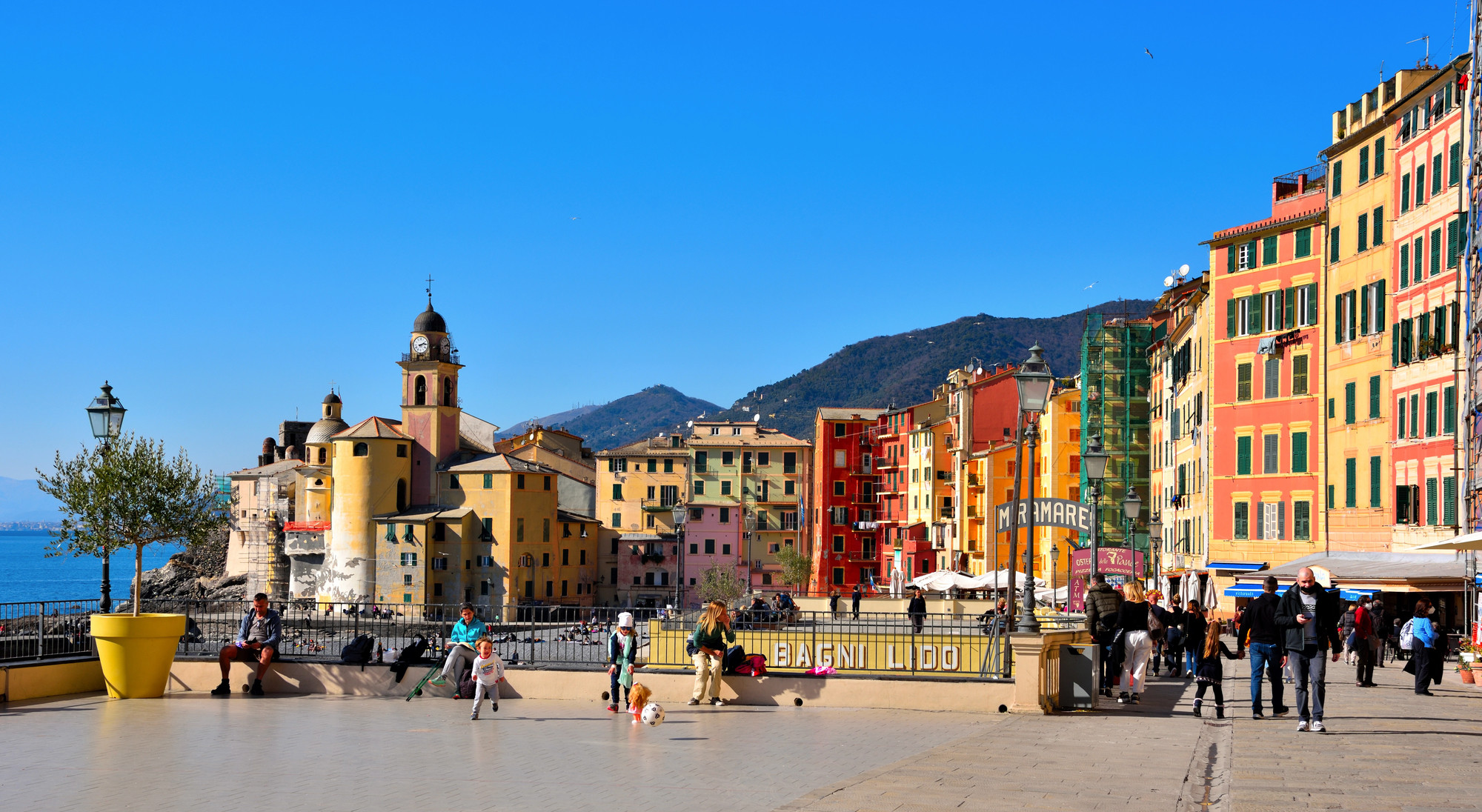
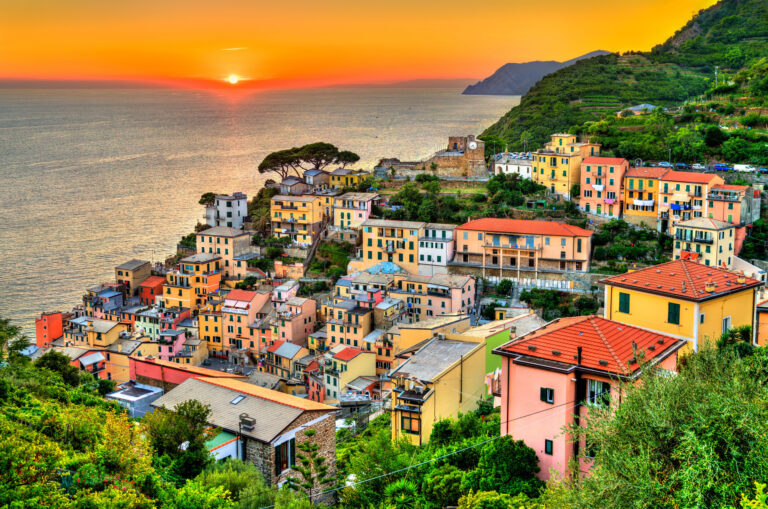
On the far side of the headland, Camogli is the one that tends to stay with people. Its houses are stacked steeply above a pebble beach in the deep yellows and reds that fishermen once used to pick out their own homes from the water. It is a place for a long coffee and focaccia on the waterfront rather than a checklist of sights, which is exactly what Sam did on his last morning on the coast.
Further east lie the five villages of the Cinque Terre. They are undeniably beautiful, but Sam’s honest reaction after visiting them is worth hearing: after the first few, the beach umbrellas, the castle and the coloured houses start to look much the same. If you have limited days, one or two of the five, or the quieter towns around Portofino, will serve you better than a forced march through all of them.
The view from the hills above Genoa
The mountains behind Genoa rise fast, and the roads that climb them are tight, shaded and often single-file in practice. The reward is the summit of Monte Fasce, bristling with telecommunications masts, and one of the great coastal outlooks in northern Italy. From up there you see the whole shape of the place: the harbour, the city sprawling along its narrow shelf of land, the autostrada stitched across the gullies, and the Ligurian Sea running out to the horizon. Sam filmed the climb through villages most visitors never hear of, going from bright sun to near-black shade under the overhanging trees within a few bends.
If the drive does not appeal, Genoa has historic funiculars and lifts that carry you up out of the old town to viewpoints over the port. The perspective is the point. Genoa makes far more sense once you have seen how little flat ground it has ever had to work with.
Pebble beaches and Ligurian beach culture
Australians arrive on this coast expecting sand and find pebbles. In the smaller towns east of Genoa the beach often sits a matter of metres from the main street, with pharmacies, bakeries and clothes shops directly behind it. Sam was struck by how unusual that felt, the equivalent of your local shopping strip opening straight onto the water.
The stones themselves take some getting used to, and they have their advantages. Locals bring mats or inflatable mattresses, the water stays notably clear, and nothing blows into your eyes when the breeze comes up. Beach clubs with hired loungers and umbrellas sit alongside free public stretches, and cafes here commonly charge a small coin fee to use the bathroom, so it pays to carry change.
When to go and how it fits a wider trip
Late spring and early autumn are the sweet spot on the Ligurian coast: warm enough to swim, quiet enough to park, and mild enough for the walking tracks over the Portofino headland. July and August bring Italian and European holidaymakers in force, which fills the beaches and makes the coast road slower again. Winter is subdued, though Genoa itself is a good cold-weather city, with its museums, palaces and covered lanes.
Geographically this coast slots neatly into a larger Italian itinerary. Genoa sits on the main rail line between Milan and the south, the French Riviera is a straightforward run west, and Bologna and the food country of Emilia-Romagna are just over the Apennines to the east, which is exactly where Sam headed next. Three or four nights around Santa Margherita or Camogli, with a day in Genoa, is enough to feel the place rather than photograph it.
Liguria rewards a bit of forethought: the right base, the right amount of driving, and a decision made in advance about whether you want the wheel or the train. That is the sort of detail we enjoy sorting out at Cartier World Travel, so the coast road stays a pleasure rather than a puzzle.