
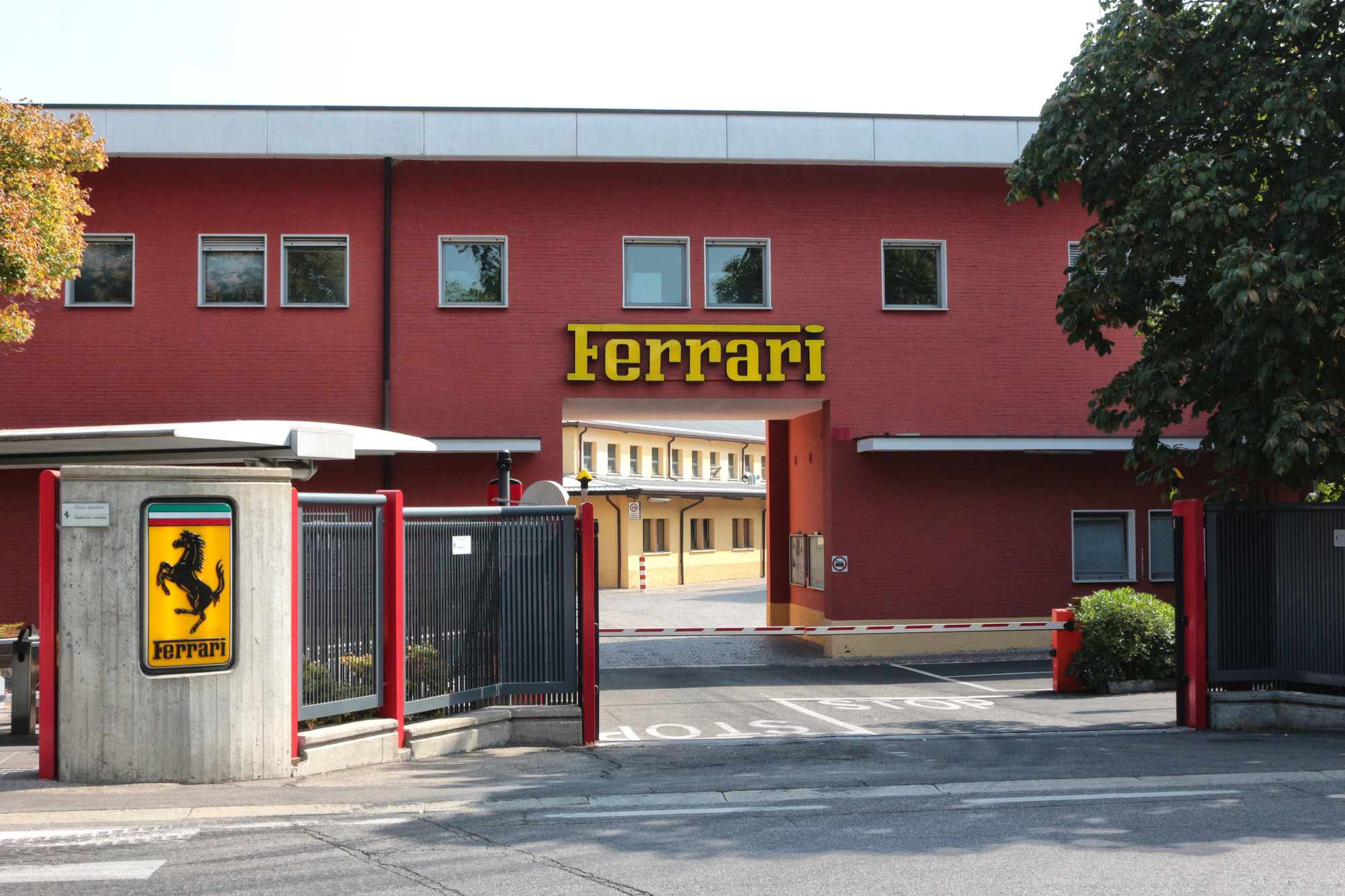
The Ferrari Museum in Maranello is one of those places that rewards a detour rather than demanding a whole holiday be built around it. The town itself is small, flat and unassuming, a working corner of Emilia-Romagna where the tractors and the supercars come from the same few square kilometres of the Po Valley. Then you notice the prancing horse above the gate, the red paint on the roundabouts and the queue of people from every continent waiting to get in, and it becomes clear that this modest town is one of the great pilgrimage sites of motoring.
Sam Newman stopped here on the way south to Tuscany, which is exactly how most travellers should treat it. Maranello is not a base. It is a brilliant half day wedged into a driving route, and it happens to sit in the middle of some of the best eating country in Italy.
What the Ferrari Museum in Maranello actually shows you
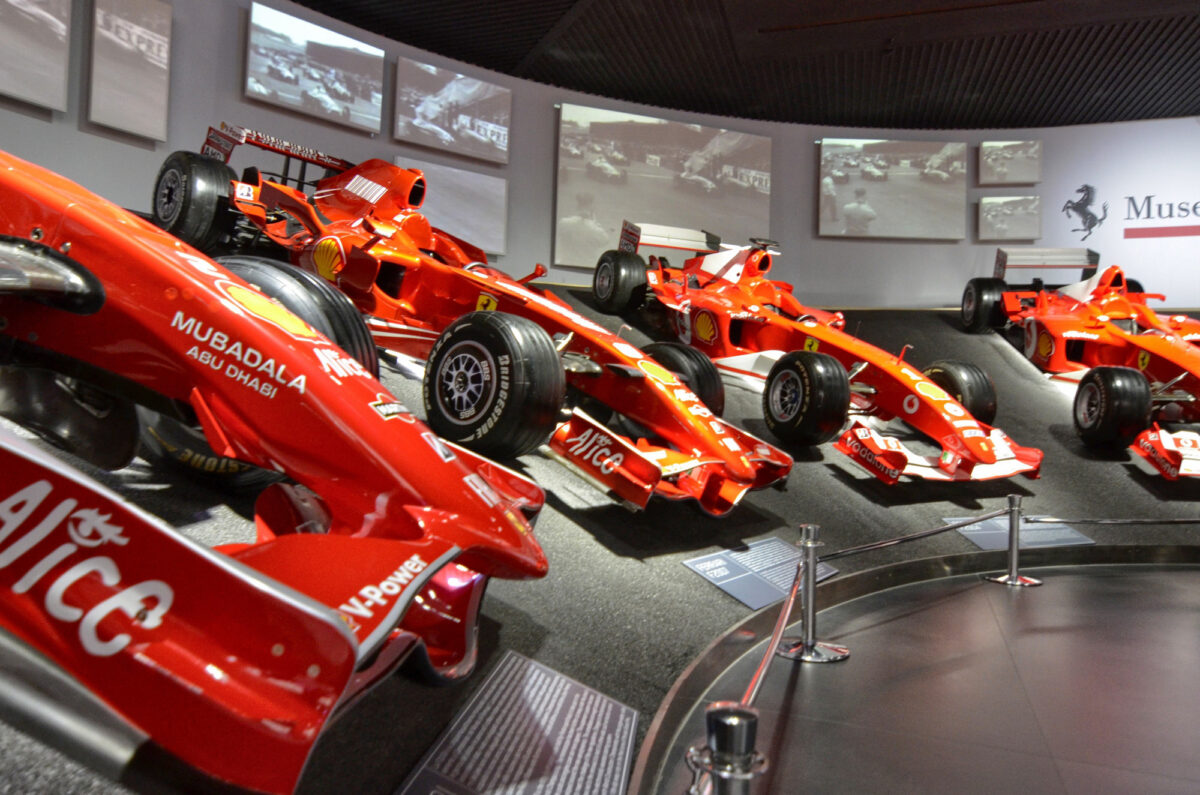
The museum sits within sight of the factory gates, and it is worth being clear about the distinction: the working factory is not part of a general visit, so what you are seeing is the collection, not the production line. That is no great loss. The halls run from the earliest road cars through the endurance racers to a long line of Formula 1 machinery, and the display changes as cars are rotated in and out.
The Formula 1 room is the one that stops people. Standing in front of the naturally aspirated cars from the late nineties and early two thousands, the Michael Schumacher era, you get a sense of how physically small and how brutally simple they were compared with today’s hybrids. Sam’s observation on the old engines was that they used to scream loudly enough that you could not hear yourself at the track, and seeing the cars in silence under museum lighting is a strange, slightly reverent experience.
Elsewhere there are the Le Mans and sports prototype cars, including the machinery from the era of the Ford rivalry that most people now know through the film, a pit stop display that makes the point about how fast a modern crew changes four tyres, and a room of scale models and memorabilia that quietly separates visitors from their money.
Practical notes
Entry is ticketed and the museum gets genuinely busy, so arriving early in the day helps. A guided tour is worth considering if you want context rather than a walk past a lot of red bodywork. There is parking nearby, and the town is easy to reach by car from Modena or Bologna.
The rest of the Motor Valley
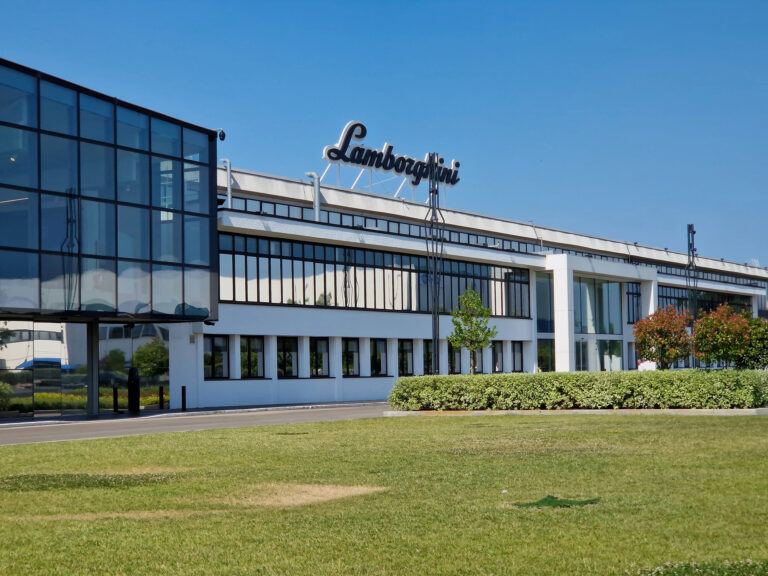
Maranello is one stop on a much larger circuit. Modena has the Museo Enzo Ferrari, built around the house where he was born and telling a different, more personal side of the story. Sant’Agata Bolognese, half an hour or so north, is home to Lamborghini and its museum, and the comparison between the two collections is a conversation Sam and his travelling companion had at length. Ducati has a museum on the edge of Bologna, and Pagani is not far away either. Four or five marques inside an hour of each other is not a coincidence. This flat, industrious stretch of Emilia-Romagna has been engineering things beautifully for a century.
Eat while you are here
Do not treat this as a motoring stop only. You are in the middle of Parmigiano Reggiano country, in the province that gave the world traditional balsamic vinegar of Modena, prosciutto, tortellini in brodo and tagliatelle al ragu. A long lunch in Modena or a farm visit to a cheese dairy or an acetaia balances out a morning of carbon fibre, and it is the sort of thing that lifts a day trip into something a non-enthusiast in the group will remember just as fondly.
What Sam found
The crowds struck him as much as the cars did. Thousands of people, every one of them paying to walk through a brand’s own showroom, which says something about how thoroughly Ferrari has turned engineering into myth.
When to go and how it fits a wider trip
Late spring and early autumn are the sweet spots. Summer on the Po plain is hot and humid and the museum is at its busiest, while winter is quiet but grey. May, June, September and early October give you comfortable driving weather and the passes south still open and pleasant.
Geographically, Maranello slots neatly into a self drive between the north and Tuscany. Fly into Milan or Venice, work through Emilia-Romagna with a night in Bologna or Modena, then take the old Apennine roads over the Futa and Raticosa passes, part of the historic Mille Miglia route, and drop down into Florence and the Tuscan hills. It also pairs well with a Dolomites leg beforehand or the Ligurian coast afterwards.
For Australians, this is the kind of detail that makes a long haul trip feel deliberate rather than rushed: the right morning at the museum, the right road out of town, and a table booked at the other end. We are happy to build that sort of day into a wider Italian itinerary, so the driving times, the tickets and the overnight stops all line up without you having to think about it.
What Sam said
I'm not sure Ferrari would actually have to win any Grand Prix. They could sustain themselves on that particular exhibition and museum. Sam Newman, on the ground
Sam Newman in Maranello
Filmed on Sam's own trip through Europe, parts of which Cartier World Travel arranged.
Other stops on Sam's journey
Maranello
Tell us roughly when and for how long. We build the rest around you, the way we built Sam's.