
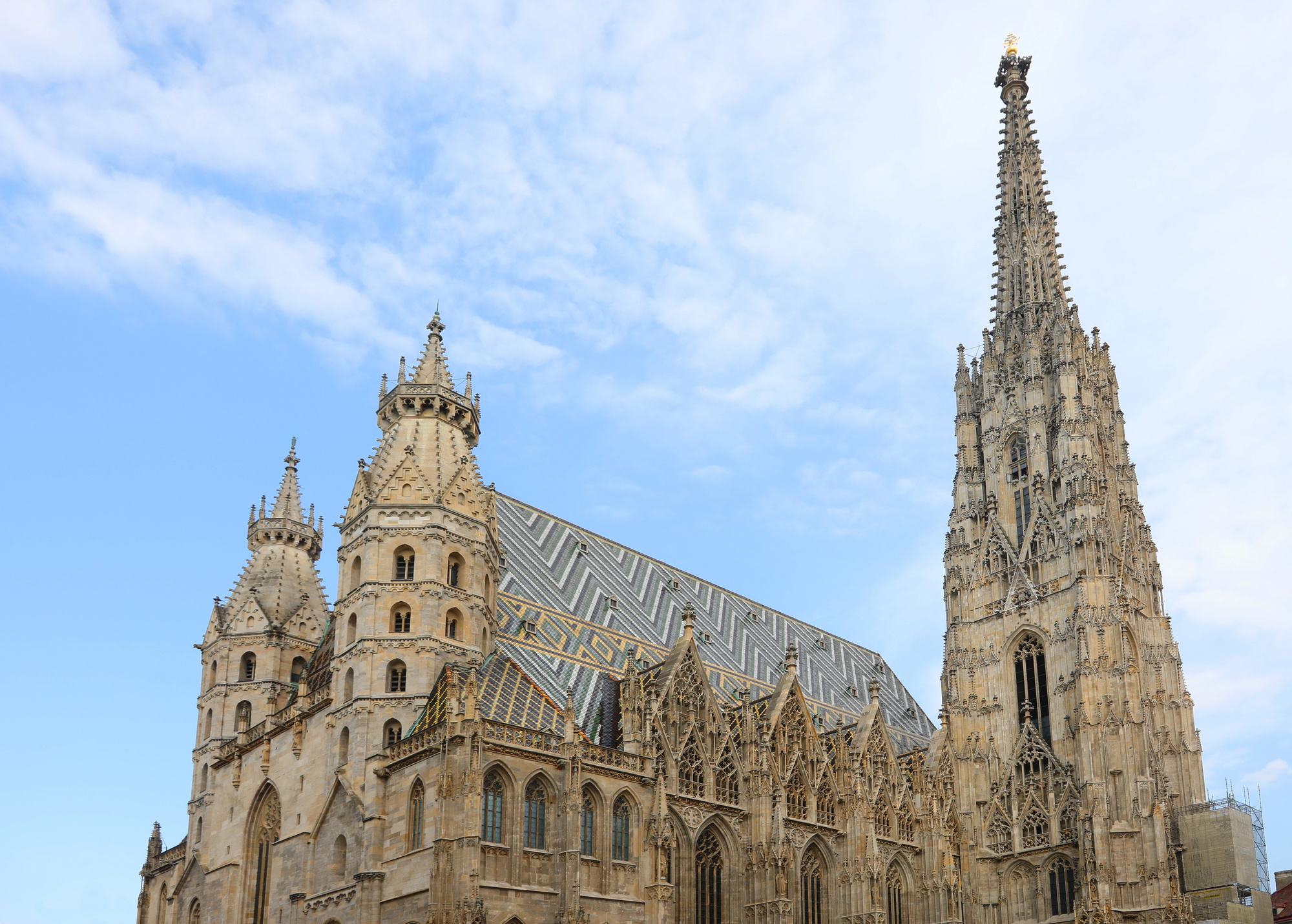
Vienna does not ease you into it. You walk out of a narrow shopping lane and the ground opens into a square with a Gothic cathedral in the middle of it, close enough that you cannot take it in with one look. For Australians, the city repays the distance because it is compact and legible, built to be admired on foot, and most of the old centre sits within a slow walk of that one tiled roof.
Visiting St Stephen’s Cathedral, inside and out
The cathedral, known locally as the Stephansdom, has anchored the city for centuries. Inside it is cool, high and dim, with a stone pulpit, chapels off to the sides, banks of candles and an organ set above the nave. It is a working church as much as a monument, and the sound of it, bells outside and organ within, is part of the experience.
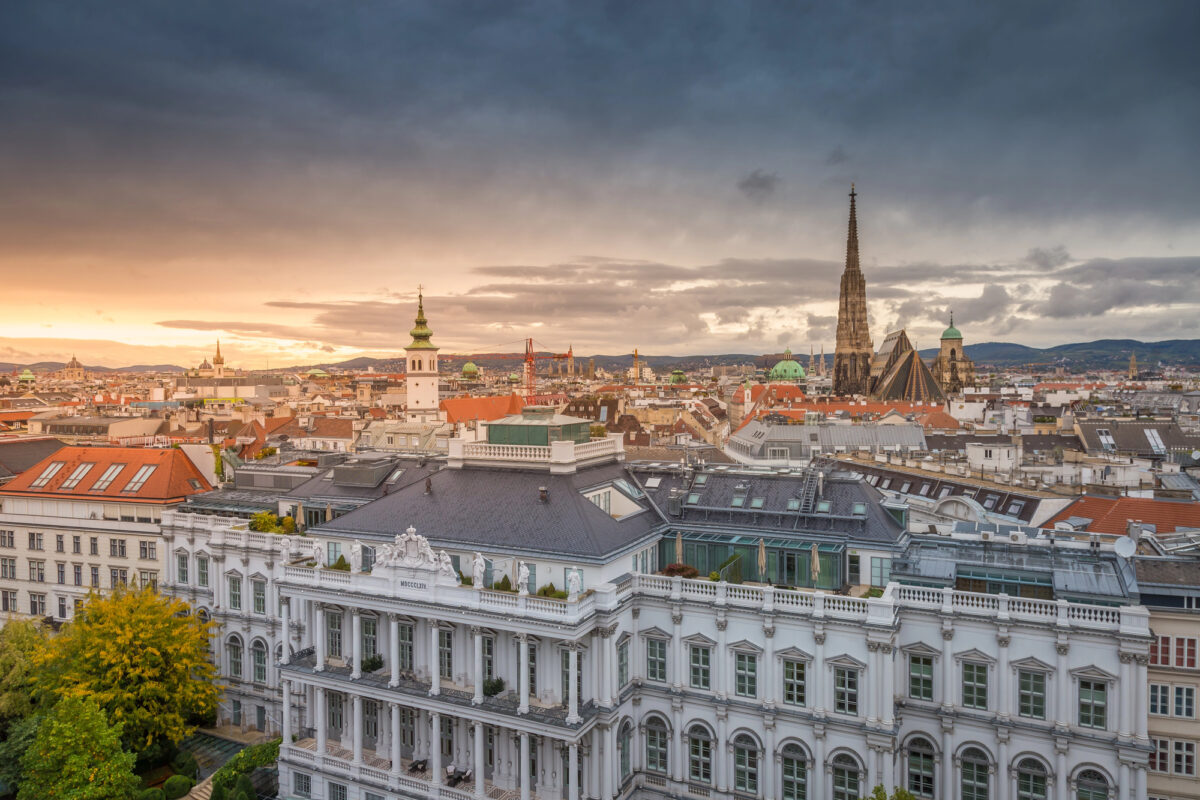
Step back out and the exterior arguably outdoes the interior. The steep roof is laid in glazed tiles in bold patterns, the south tower climbs well above the rooftops, and the facade is dense with carved detail. Walk a full circle around the building before you go looking for anything else. Most visitors do not, and they miss half of it.
Sam Newman, whose European trip we helped plan parts of, arrived having already seen a great many cathedrals in Italy, Croatia and Greece, and still found this one startling. That reaction is common. The Stephansdom does not repeat what you have seen further south, it belongs to a different building tradition altogether.
The lanes, the square and the Hofburg
Part of what makes the cathedral land so hard is the approach. Lanes such as Goldschmiedgasse are tight and straight, so the tower appears in pieces before Stephansplatz releases it all at once. The square is a proper city stage, busy at most hours, with the fiakers, Vienna’s horse-drawn carriages, waiting in ranks nearby.
A short walk west, the scale changes again. The Hofburg was the seat of the Habsburgs and spreads across courtyards and squares, with weathered equestrian statues in the open spaces and museums, state rooms and the Austrian National Library in the buildings around them. It is also home to the Spanish Riding School and its Lipizzaner stallions. Beyond the performances, visitors can watch the horses in morning training, which is a quieter way to see them work. Check current arrangements first, since sessions are not held every day of the year.
When to go, and how Vienna fits a longer trip
- Late spring and early autumn: mild days, long light on the stonework and enough warmth to sit outside.
- Summer: lively, but hot and busy in the first district.
- Winter: cold and dark, and at its most atmospheric, with market stalls and roasted nuts in the squares around the cathedral.
Vienna sits at the crossroads of central Europe, and that is how we like to use it. It pairs naturally with Salzburg, with Budapest down the Danube, with Prague to the north, and with the Austrian lakes and Alps for travellers who want mountains after a city. Trains connect all of it comfortably, so a few days here can be the calm chapter in the middle of a longer itinerary rather than a rushed stop.
What Sam said
I thought there'd come a time when we wouldn't be surprised at the magnificence of cathedrals and churches and abbeys, but this is St Stephen's, and this is absolutely magnificent. Sam Newman, on the ground
Sam Newman in Vienna
Filmed on Sam's own trip through Europe, parts of which Cartier World Travel arranged.
Other stops on Sam's journey
Vienna
Tell us roughly when and for how long. We build the rest around you, the way we built Sam's.