Visiting Trogir, Croatia is one of those small decisions that quietly reshapes a Dalmatian itinerary. Most people meet the town on a half day out of Split, walk a loop of the old quarter, buy an ice cream on the waterfront and leave again before dinner. Stay the night and the place changes character entirely, because the crowds thin, the stone holds the warmth of the day, and you start to understand why a town this compact has been fortified, argued over and rebuilt for more than two thousand years.
Visiting Trogir, Croatia: a town built to be walked
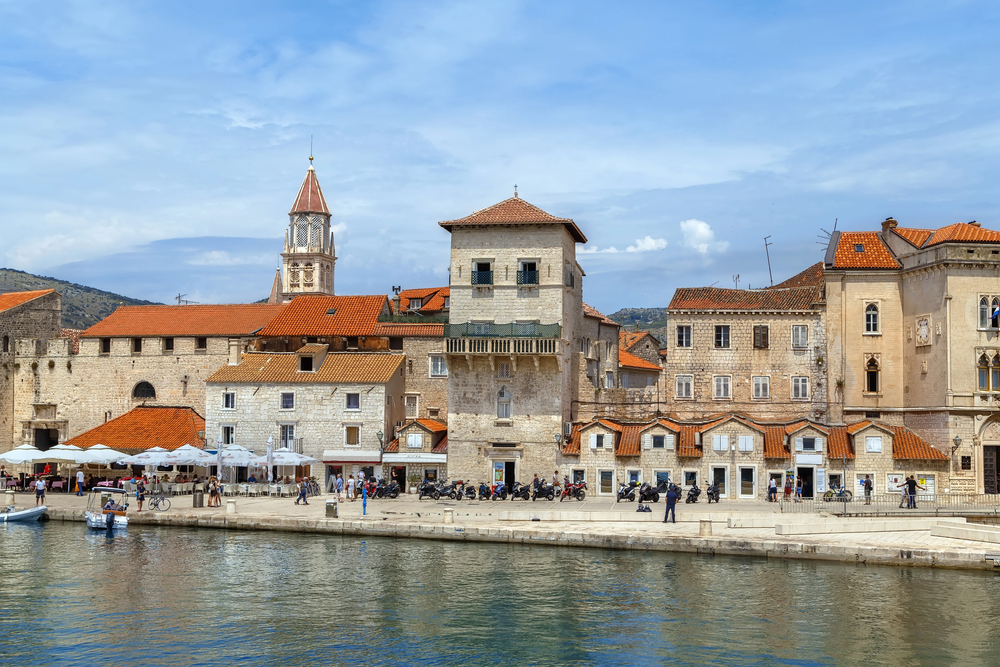
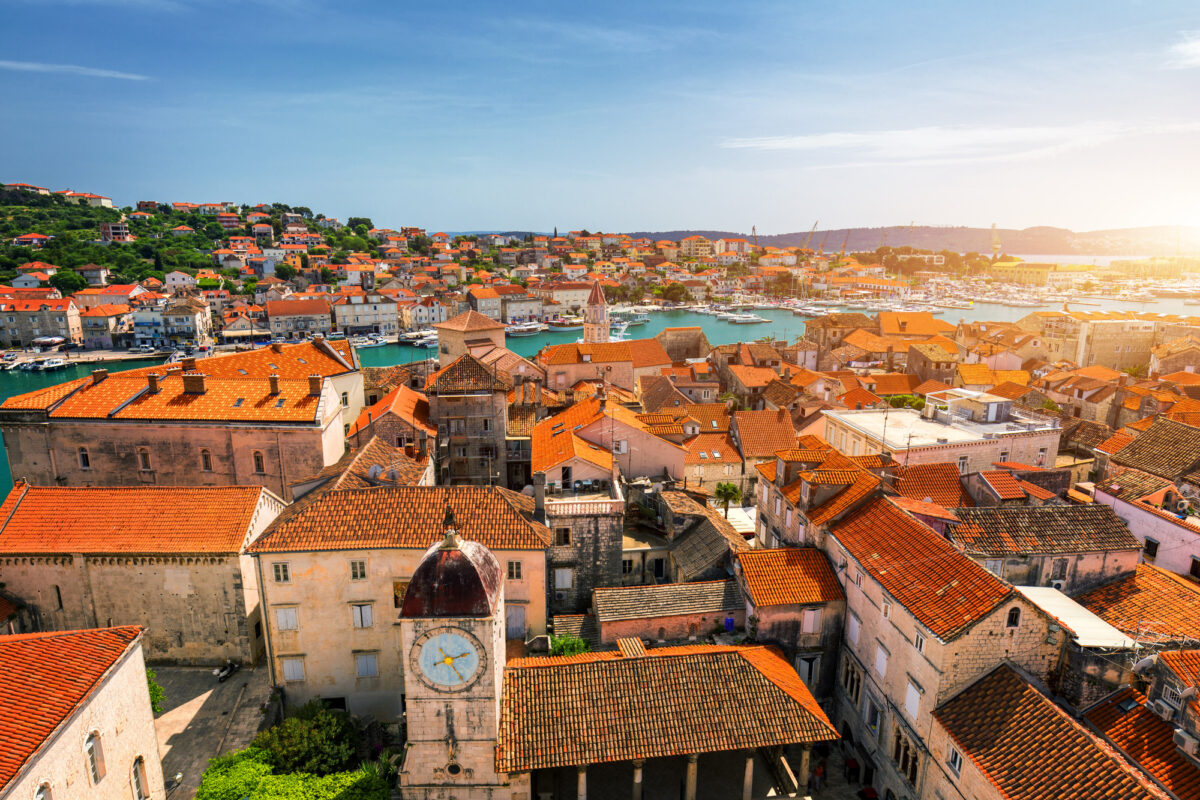
The historic centre sits on a small island, wedged between the mainland and the larger island of Čiovo, with bridges at either end. That geography is the whole story. Within the walls there is no room for cars, so the streets narrowed to the width of two people and a hand cart and never widened again. The result is a grid of pale limestone lanes, shuttered windows, sudden courtyards and archways that funnel you out onto the water without warning.
It is also, cheerfully, a place where you will get lost. Sam’s first walk through Trogir turned into a full circle back to the front door of the apartment he had just left, which is more or less the standard initiation. The corridors look identical, the water appears on the wrong side, and then the square opens up and everything makes sense again. Give the first evening over to wandering rather than to a plan.
The square, the cathedral and the waterfront
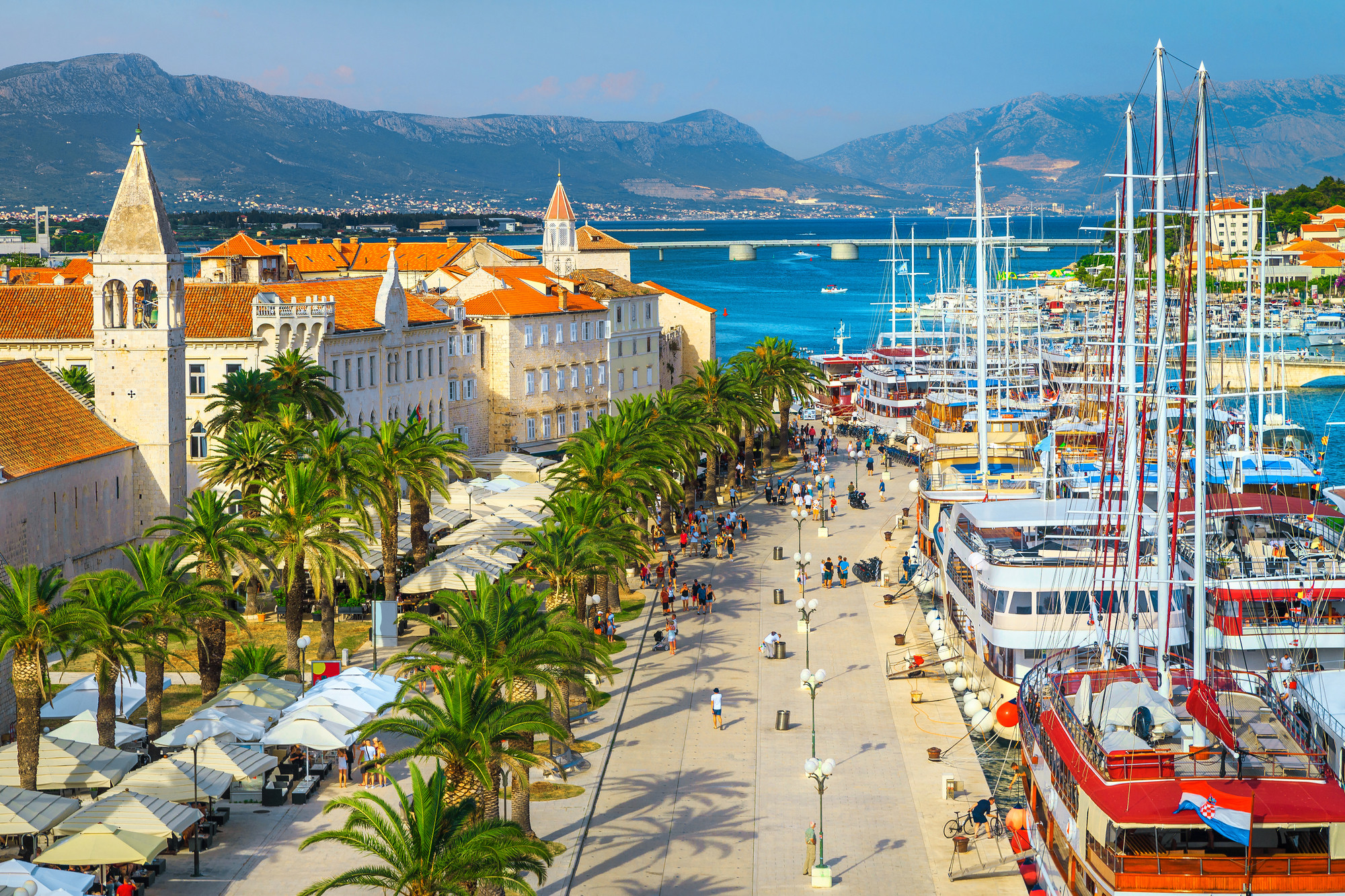
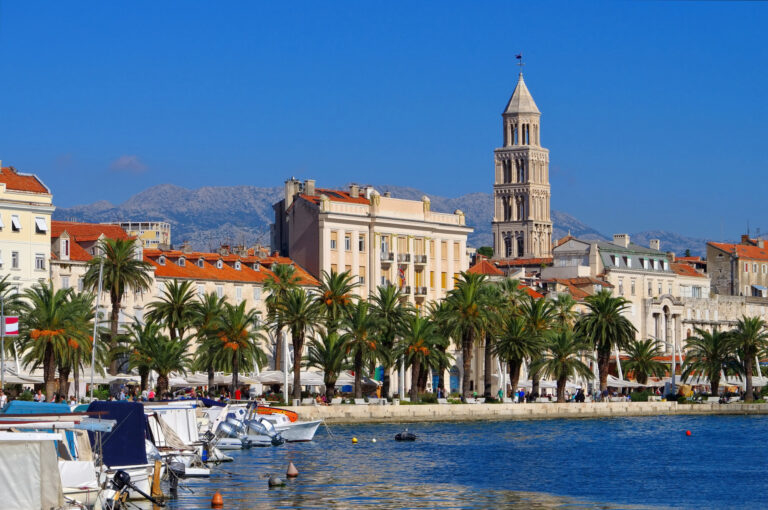
The heart of the old town is its main square, ringed by the Cathedral of St Lawrence with its tall bell tower, the open loggia and the clock tower. The cathedral’s carved west portal is one of the finest pieces of medieval stonework on the Adriatic coast, and it rewards standing still for a few minutes rather than photographing it on the move. From there the lanes drop down to the Riva, the broad waterfront promenade where the restaurant tables spill out and the town does its evening walk.
Along the water is the marina, and it takes some serious boats in season, the kind you would otherwise expect to see on the French Riviera. At the western end of the island stands the Kamerlengo fortress, a reminder that the Venetians ran this coast for centuries and left their fingerprints on nearly every facade. The whole historic centre is inscribed on the UNESCO World Heritage list, which is the part Sam settled on with obvious approval.
Arriving with a car, and with luggage
If you are driving Dalmatia, and it is a fine part of Europe to drive, plan the arrival rather than improvise it. You cannot take the car into the old town. You park outside, cross a bridge and walk in, and that walk can be several hundred metres of cobbles before you reach your door. Sam and Sue carried suitcases and a portable fridge in from a car park close to a kilometre away, and their host Zoran doing the heavy lifting and the navigating was the difference between arriving and still being out there.
Two things worth knowing. First, wheeled cases and cobblestones are not friends, so pack so you can carry rather than drag. Second, parking tariffs in Trogir vary sharply from one car park to the next, and the cheap one is not always the far one. It is worth confirming rates and a walking route with your accommodation before you leave the car anywhere for several days, which is exactly the sort of detail we sort out before you land.
Staying inside the walls
Sleeping in the old town means stone stairs, no vehicle at the door and a bit of noise from the restaurants below. It also means stepping straight out into a lit, empty lane after dinner. For most travellers that trade is well worth making, but it should be a choice made with eyes open, not a surprise on arrival.
When to go and how Trogir fits a wider trip
Late spring and early autumn are the sweet spot on this coast. The sea is swimmable, the light is long and the day trip buses are fewer than at the peak of summer. High summer is hot and busy, and the old town’s stone holds the heat well into the evening. Winter is quiet and many places close, though the town is beautiful and yours alone.
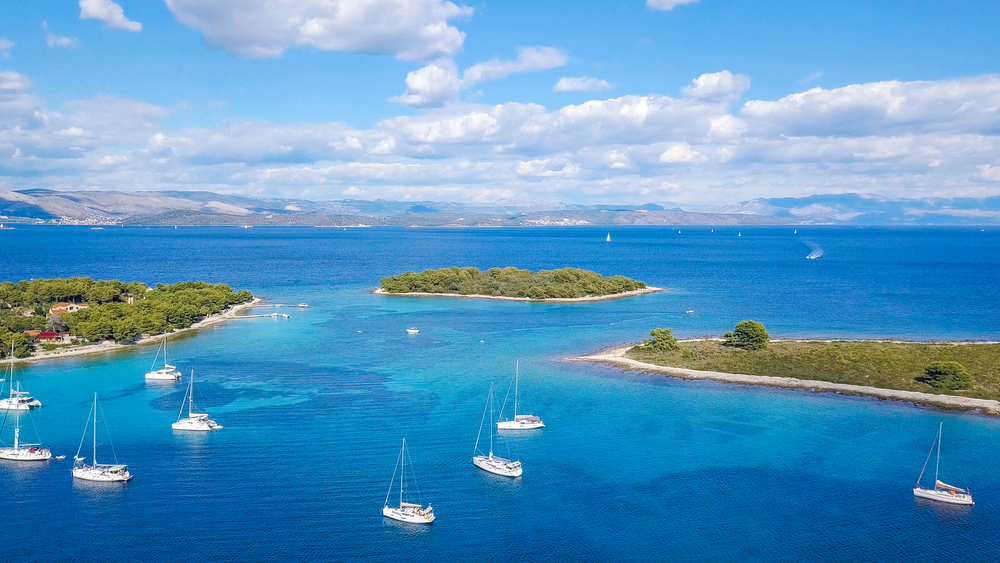
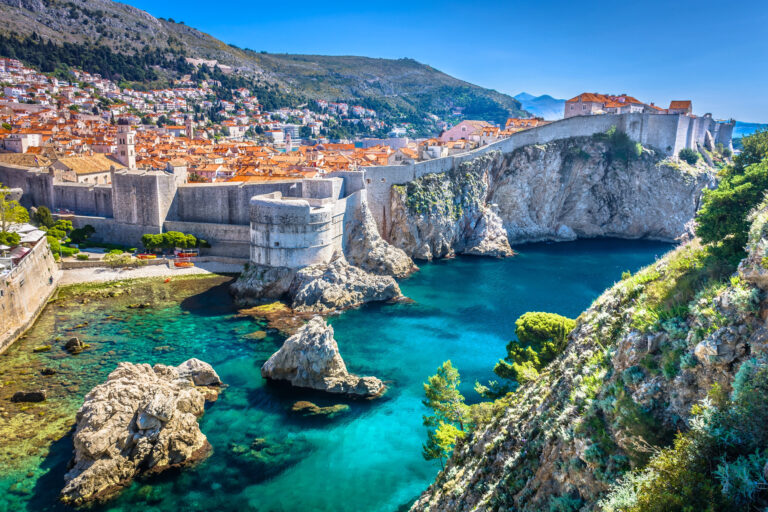
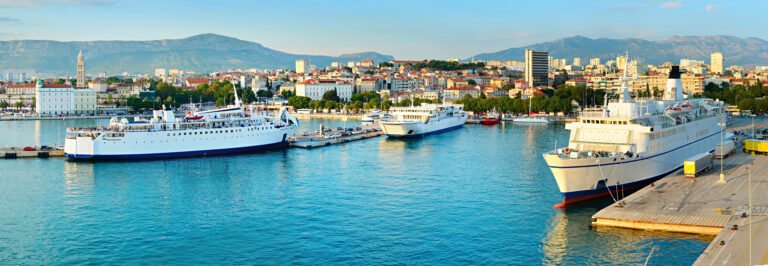
Trogir sits close to Split and very close to Split’s airport, which makes it a calm first or last stop rather than a detour. From here you are within easy reach of Split’s Diocletian’s Palace, the waterfalls of Krka, the walled town of Šibenik and the ferries out to the Dalmatian islands, with Dubrovnik further down the coast. Slot it in for three or four nights and it stops being a stopover and becomes the part of the trip people remember.
Cartier World Travel helped put together parts of Sam’s European travels, and Trogir is a good example of why that matters. The town itself is the easy part. The route in, the car, the walk to the door and the order you see Dalmatia in are what turn a good idea into a trip that runs smoothly from Ballan to the Adriatic and back.