
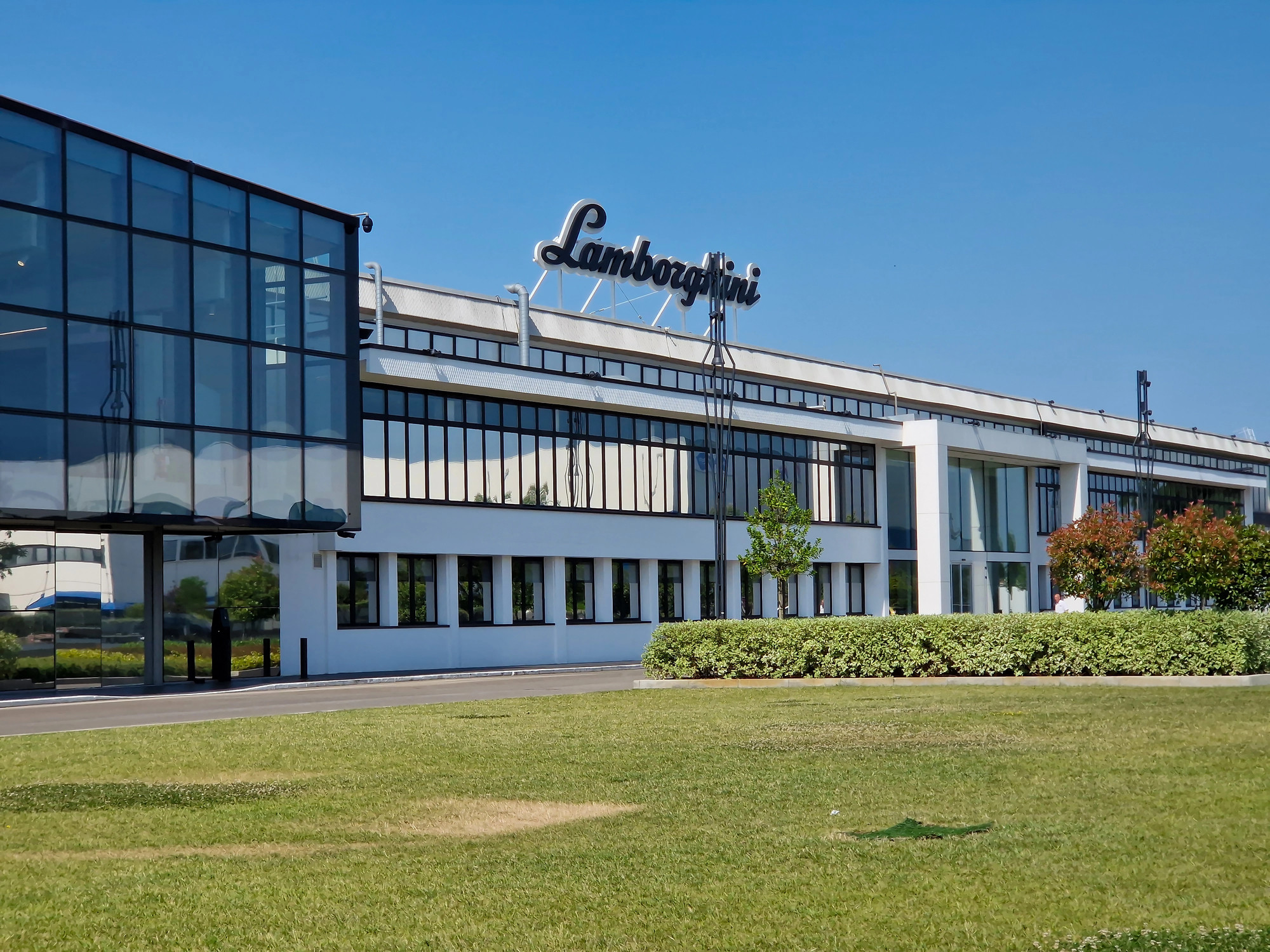
A Lamborghini factory tour is one of those rare Italian experiences that rewards the enthusiast and the merely curious in equal measure. The home of the marque sits at Sant’Agata Bolognese, a quiet town on the flat farmland between Bologna and Modena, and there is very little about the approach to prepare you for what is inside. Security is genuine, your name is checked against a list, and once you are through, you are standing in the middle of one of the most closely guarded manufacturing sites in Europe. Sam Newman visited during his run through Italy, and the verdict was simple enough: it is worth the detour.
Why Sant’Agata Bolognese is worth the flight
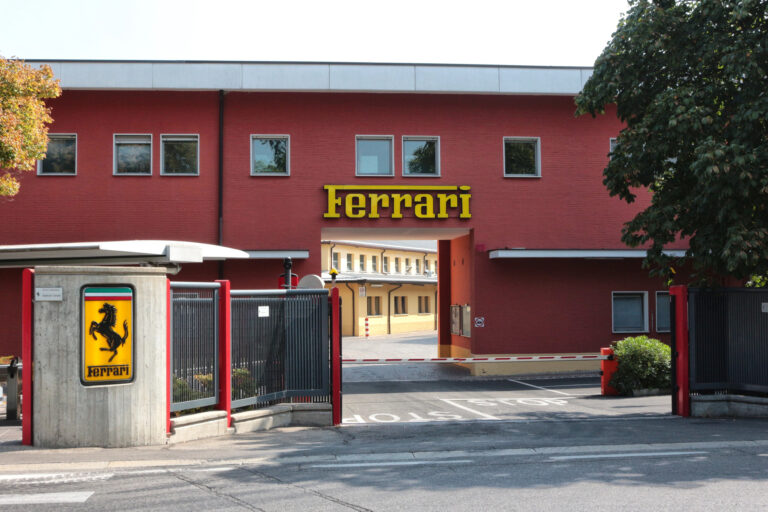
This corner of Emilia-Romagna is known as the Motor Valley, and it is not a marketing invention. Within a short drive of one another sit Lamborghini, Ferrari at Maranello, Ducati and Pagani, all clustered in the same fertile plain that also gave the world parmigiano reggiano, balsamic vinegar and tortellini. The rivalry is part of the local air. As Sam put it while walking in, Ferrari is just up the road, and everyone here knows exactly how far up the road it is.
Ferruccio Lamborghini built tractors before he built supercars, and the company he founded in 1963 has stayed in this same town ever since. That continuity is the point. You are not visiting a brand experience dropped into a city centre. You are visiting the actual place where the cars are made, in the actual town where the story started.
What a Lamborghini factory tour actually involves
There are two halves to the visit. The first is the Museo Automobili Lamborghini, arranged over two levels, and it is a proper chronology rather than a showroom. Downstairs sit the cars that made the name: the Miura, the Countach with its slab sides and scissor doors, the Diablo. Lamborghini built the chassis and the engines, and the coachbuilder Bertone finished the bodies, which is why those early cars still look like nothing else on the road. Sam’s description of the Countach, that it looked like a fighter jet back in the day, is about right.
Upstairs the story moves to the modern era, through the Murcielago, the Aventador and the Huracan, including motorsport versions that have clearly been used in anger. Look closely at the bodywork on a racing car and you will find rubber marbles picked up off the circuit and tape holding panels down, which tells you more about the sport than any display board.
The car built for a birthday
One of the highlights on the upper floor is the Centenario, based on the Aventador and built to mark one hundred years since the birth of Ferruccio Lamborghini. It is a useful reminder that this is a company still very conscious of one man’s name.
Behind the doors
The second half is the production line itself, walked through stage by stage with a guide. Cameras stay off. As Sam noted, the reason is obvious enough when Modena is a short drive away, and no manufacturer wants its assembly sequence filmed by a visitor who might just have driven over from the competition. What you get instead is the thing photographs never convey: the quiet of it, the amount of hand work involved, and how much of a supercar is still assembled by people rather than machines.
The guiding matters here. Sam’s group was taken through every stage by Sarah, a young guide from Bologna who knew the build inside out, and a good guide is the difference between a walk past some workstations and an hour you remember.
Fitting it into a wider Italian trip
Sant’Agata Bolognese is not a place to base yourself. Bologna is, and it is one of the most underrated cities in Italy: arcaded streets, two leaning towers, a food culture that locals will argue is the best in the country, and fast train connections to Florence, Milan and Venice. Modena is close by for balsamic and for Ferrari. Parma is a little further west. The whole region can be strung together over three or four days without ever feeling rushed.
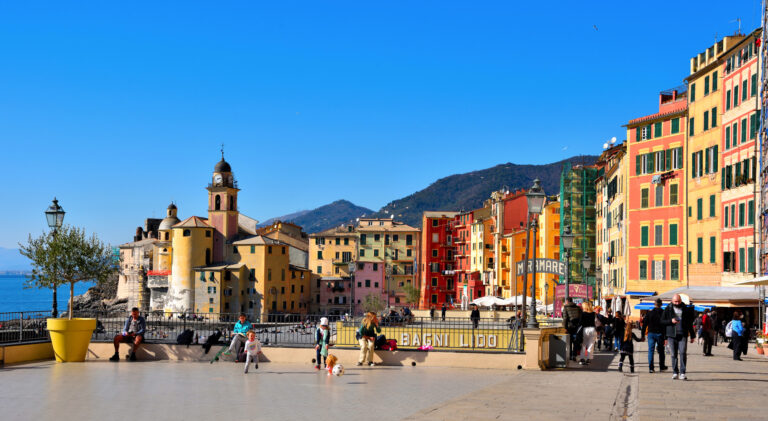
It also slots neatly into a bigger itinerary. Sam reached the factory after coming across from La Spezia and the Ligurian coast around Portofino and Santa Margherita, which is a natural line to travel: the sea and the cliffside villages first, then across the mountains into the plain for the food and the machinery. From Bologna you can continue south to Tuscany or north to the lakes.
When to go
Spring and early autumn suit this part of Italy best. The Emilian plain gets genuinely hot and heavy in midsummer and can be grey and foggy deep in winter, so April to June and September to October give you comfortable days for walking Bologna’s porticoes and driving between towns. Whenever you come, treat the factory as a fixed point in the plan rather than something to squeeze in, because places on the tour are limited and the museum alone is worth unhurried time.
Planning it properly
The pleasure of a day like this comes from the details being sorted in advance: the visit booked, the names on the list, the drive timed so you are not arriving flustered, and the rest of the region shaped around it rather than left to chance. That is exactly the kind of trip we build at Cartier World Travel, tailored to what you actually want to see, whether that is engines, food, coastline or all three in one run through northern Italy.
What Sam said
It was a fantastic tour to see how the great Lamborghini brand was established and in production here in Bologna. Sam Newman, on the ground
Sam Newman in Sant'Agata Bolognese
Filmed on Sam's own trip through Europe, parts of which Cartier World Travel arranged.
Other stops on Sam's journey
Sant'Agata Bolognese
Tell us roughly when and for how long. We build the rest around you, the way we built Sam's.