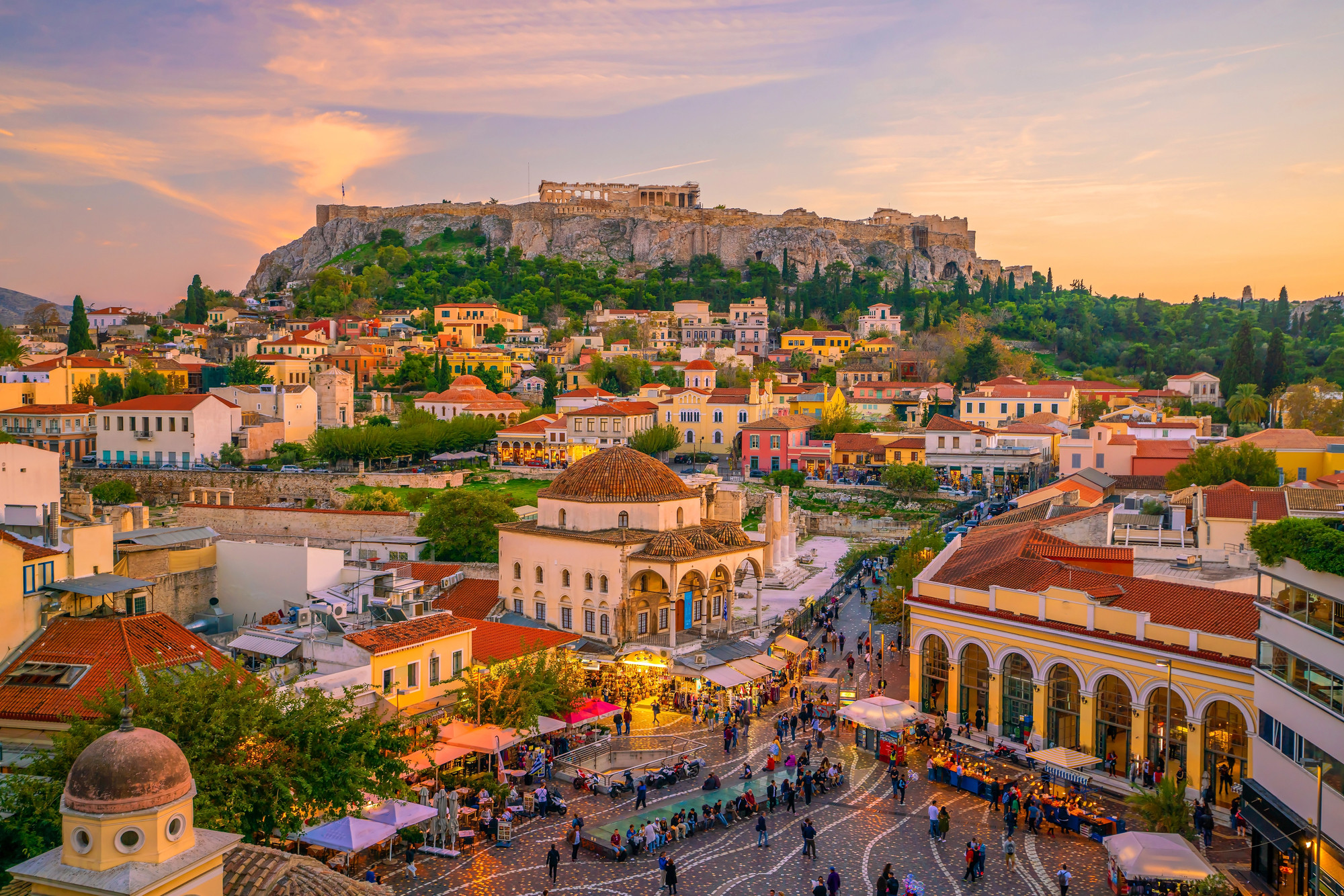
Visiting the Acropolis in Athens is one of those rare experiences that lives up to every photograph you have ever seen of it. The rock sits above the city like a stage set, and the climb up delivers the Parthenon, a theatre cut into the hillside, and a view across a capital of millions stretching away towards the hills and the water. It is busy, it is often windy, and it is still worth every minute of the flight from Australia.
The name itself explains the appeal. Acro means high or in the air, polis means city, and that is exactly what you are walking into: a city in the air, built by people who were, as Sam put it on his visit, absolutely paranoid about geometry.
Why visiting the Acropolis in Athens rewards a bit of planning
The single biggest difference between a good morning on the rock and a frustrating one is how you arrive. Ticket queues at the main entrance can be long, and the sales pitches that circulate along them are not always what they first appear. Sam and Sue were offered a queue-jumping guided tour while standing in line, only to discover the guide still needed to assemble a group of eight before anyone moved, which meant more waiting rather than less.
The lesson is simple. Sort your entry before you arrive, and if you want a guide, engage one you have chosen in advance rather than one who has chosen you. In the end their guide turned out to be good company and full of detail, but that was luck rather than planning.
Timing your climb
Heat and crowds are the two things worth designing around. Early in the day is cooler and calmer, and the marble is easier underfoot before the sun is high. The site is exposed at the top with almost no shade, and the wind can be strong enough to make conversation hard. Take water, a hat and shoes with grip. The marble steps have been polished smooth by an extraordinary number of feet.
What to look for once you are up there
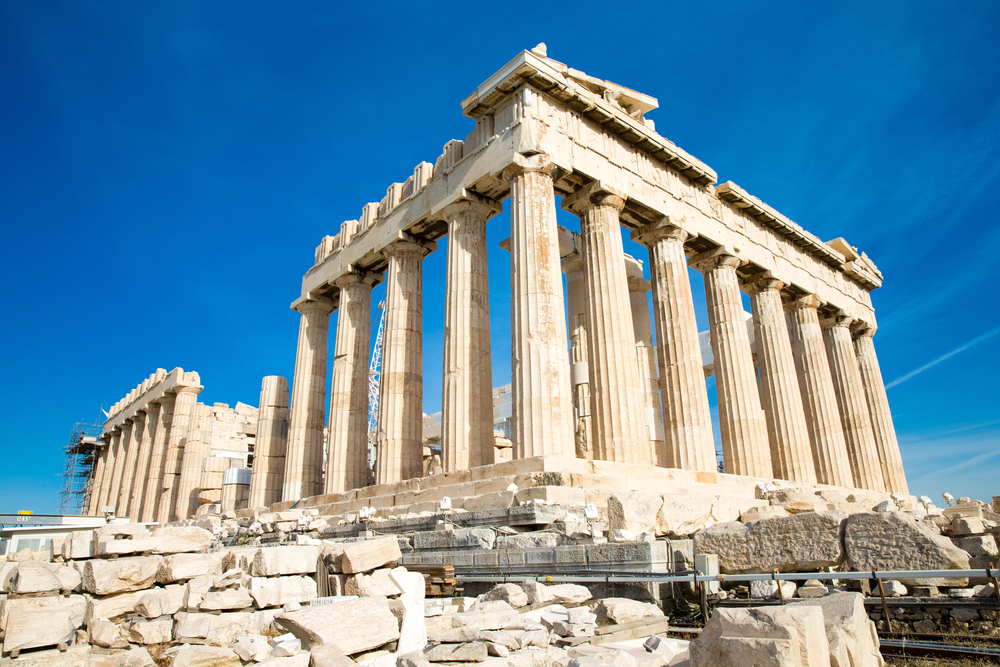
The Parthenon
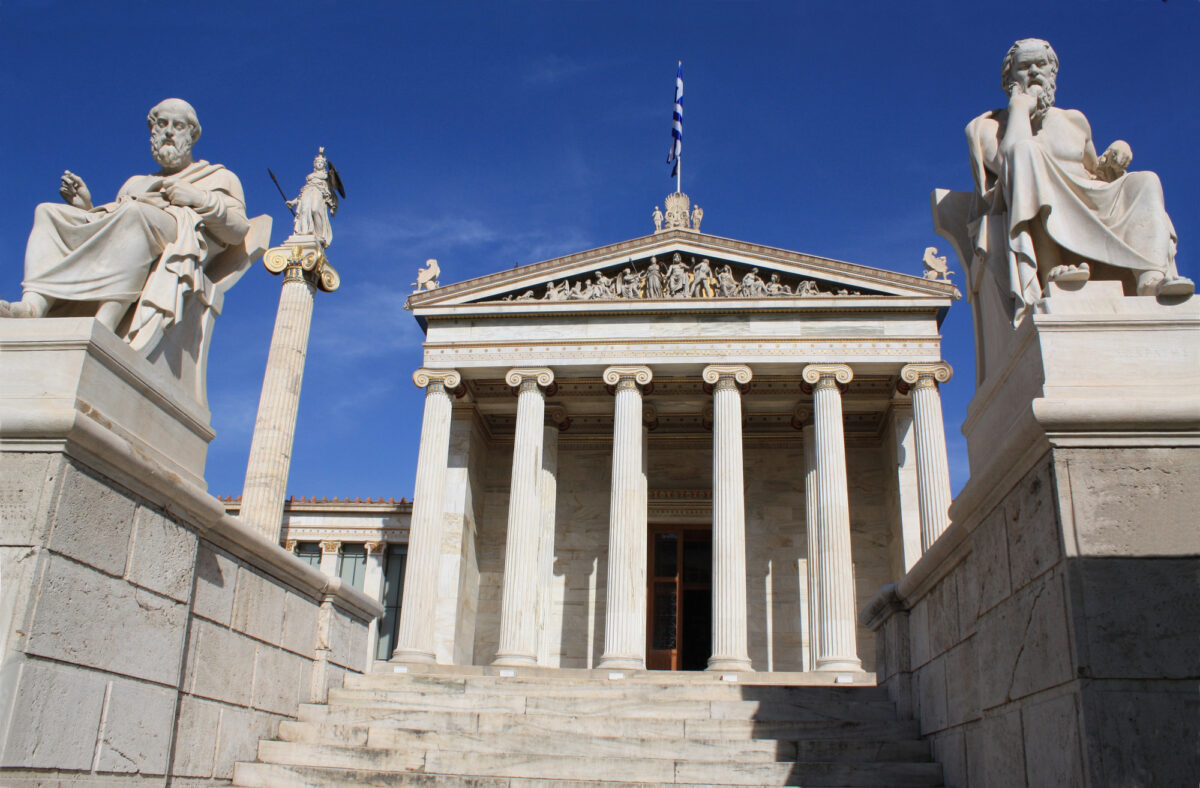
The temple dedicated to Athena, the goddess the city is named for, is the centrepiece and deserves more than a quick photograph. The detail that tends to stop people is the columns. They are not straight and they are not vertical. They swell slightly and lean inward, so subtly that if you extended their lines upward they would eventually converge far above the rock. The builders understood that a perfectly straight line reads as a sag from a distance, so they corrected for the human eye rather than the ruler. That idea has echoed through architecture ever since.
The Erechtheion and the caryatids
Nearby stands a temple shared between Athena and Poseidon, best known for the porch where draped female figures stand in place of columns. Look at their knees. The figures on one side have the weight on one leg, those on the other side mirror them, so the group balances as a composition rather than repeating itself. It is the same obsession with symmetry that shaped the Parthenon, expressed on a far more intimate scale.
The theatre on the slope
On the way up you pass a large ancient theatre cut into the southern flank of the rock, seating thousands. Stand at the rail and look down into the bowl of it. It gives you a sense of the crowds this hill was built to hold long before it held tourists.
The view over the city
Do not rush the last part. From the edge of the rock, Athens spreads out in every direction, a vast low sea of white buildings pushing up against the surrounding hills. It is the clearest possible illustration of how the ancient city and the modern one occupy the same ground.
Beyond the rock
The Acropolis is the anchor, not the whole day. Below it sits the marble stadium that hosted the first modern Olympic Games in 1896, an easy addition to the same itinerary and a favourite among visitors who like the idea that the Games began here. The neighbourhoods below the north slope, with their narrow lanes and stepped streets, are made for an unhurried afternoon once the climbing is done.
There is also the pleasure of the small connections a good guide will hand you. Athena was worshipped here as Athena Nike, nike being the Greek word for victory, and that is where a certain American sportswear company found its name. Sam did not believe it either until they checked.
When to go and how Athens fits a wider trip
Spring and autumn are the sweet spots. The light is good, the temperatures are manageable on an exposed hilltop, and the site is less crowded than at the height of summer. Australian travellers often find the shoulder seasons align neatly with our own school holidays and with better fares into Europe.
Athens works beautifully as a hinge in a longer journey. It is the natural starting point before the islands, a comfortable pairing with a Mediterranean cruise, and a strong two or three day city stop on a wider European route. Two full days is enough to do the ancient sites properly and still eat well and wander.
Whether you build Athens into an island-hopping holiday, a cruise or a longer run through Europe, the details are what separate a smooth trip from a tiring one: the right time of day on the rock, entry sorted before you arrive, and a guide worth listening to. That is the kind of groundwork we enjoy doing for our travellers, so the only decision left to you on the morning is which way to look first.