
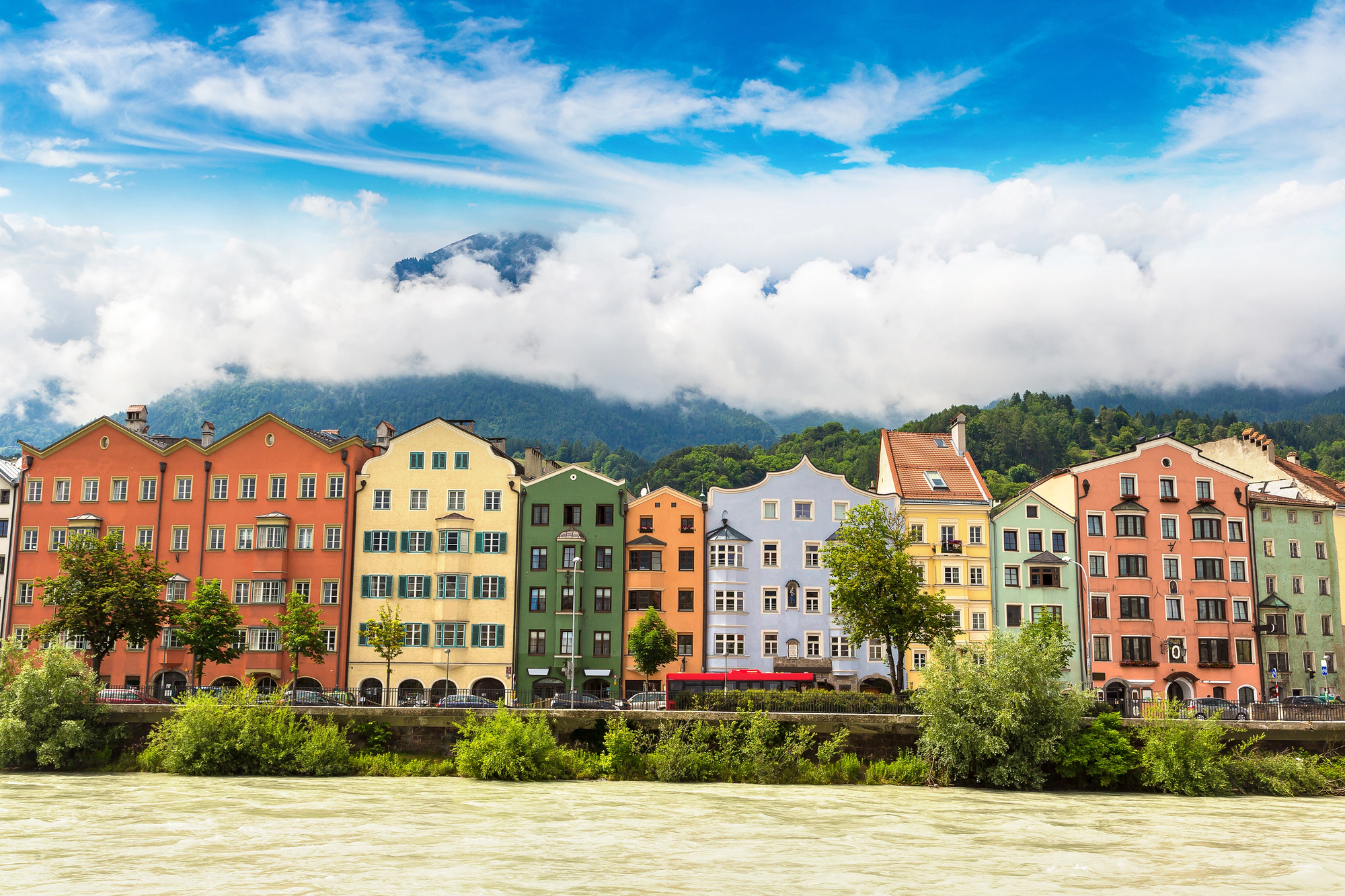
Driving from Salzburg to Innsbruck is a half day behind the wheel that does more work than its distance suggests. You leave the baroque theatre of Salzburg, follow the Inn valley west, and arrive in a city where the mountains begin at the end of the street. For Australians used to long, empty highways, the surprise is how much changes in so little distance.
Starting in Salzburg
Salzburg carries two reputations at once. The first is Mozart, born in the old town in a building still marked with its emblem high on the facade, and whose story continues in Vienna, where he died and was buried. Doing the two in reverse, birthplace last, works perfectly well.
The second is The Sound of Music, filmed here in 1965. Between them, the pedestrian lanes fill with visitors and confectioners’ windows full of Mozart-branded chocolate. It is touristed, unapologetically, and still worth a morning before you point the car west.
Kufstein, the stop worth building in
Roughly midway, Kufstein sits on the Inn with a fortress planted on the rock above town. The fortress is known for its great organ, which locals will tell you is the oldest and largest of its kind. It is played daily, and the sound carries out over the whole valley.
Kufstein is also a reminder of how relaxed the Tyrol is about visitors. You will see signs joking that there are no kangaroos in Austria, a clarification Austrians apparently never tire of offering.
What the drive actually feels like
The valley route is straightforward, well surfaced and generously signposted. The complication usually comes at the end. Much of the best accommodation around Innsbruck sits on the slopes above the city rather than in it, and the access roads can narrow to a single lane of hairpins with no room to pass. Ears pop on the way down, and drivers coming up have been known to park and walk the rest.
None of that is a reason to avoid staying high. The views are the point. It simply means a small car, a daylight arrival and an unhurried attitude are worth planning for.
Arriving in Innsbruck
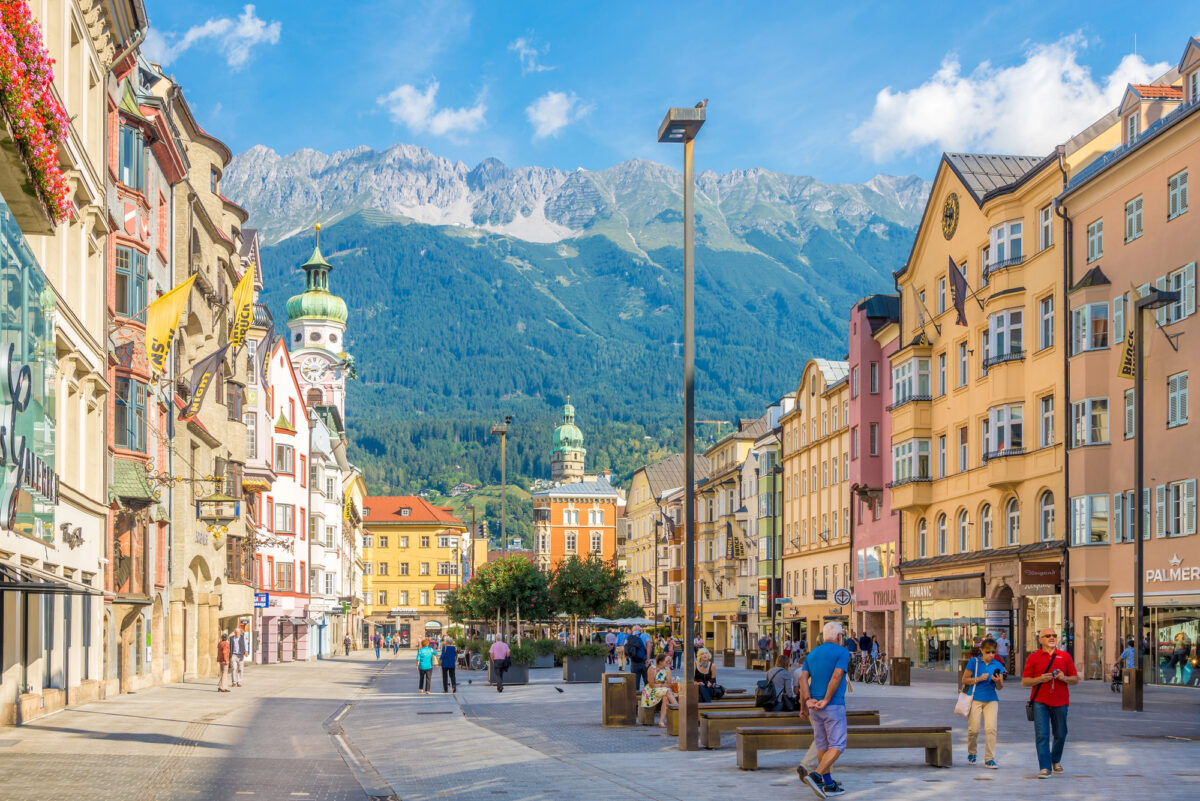
Innsbruck is compact, walkable and framed on both sides by the Alps. It has hosted the Winter Olympics twice, and that infrastructure still shapes the city, but in warmer months it works just as well as a base for cable cars, valley walks and long lunches.
When to go and how it fits a wider trip
- Late spring to early autumn brings clear passes, green valleys and comfortable walking weather. Winter hands the region over to the snow.
- The leg slots naturally between Vienna and the Bavarian or Italian borders, and pairs with an onward run south into the Dolomites or north into Germany.
- Two or three nights at each end, with a stop like Kufstein in between, is about right.
Build in a spare afternoon. In this part of Austria, the road tends to be the best part of the day.
Places to explore
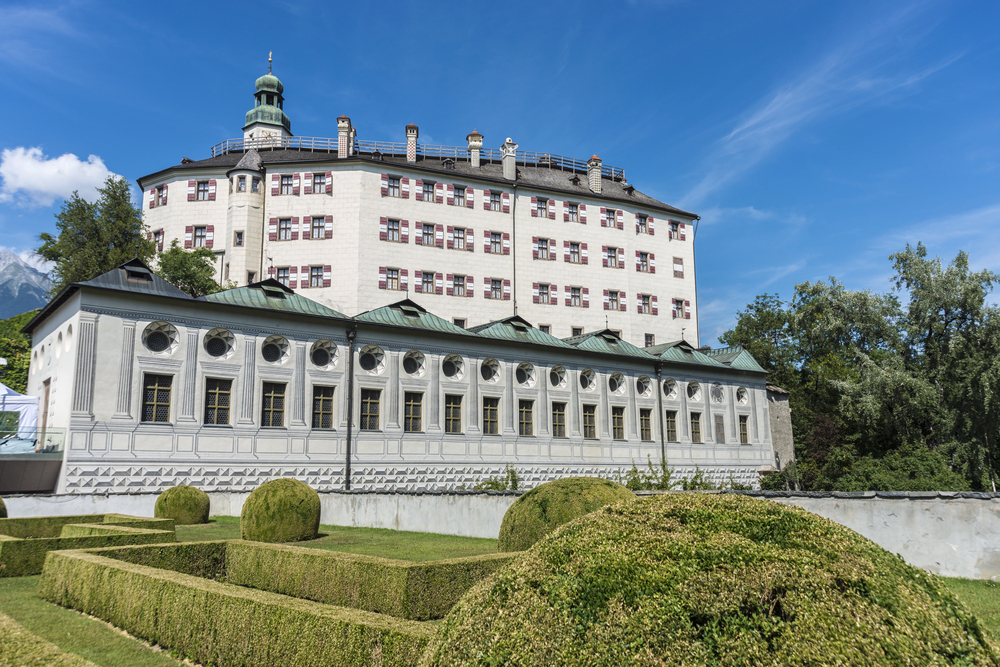
Schloss Ambras Innsbruck (Ambras Castle)
Renaissance castle and museumArchduke Ferdinand II built the world's oldest surviving Kunst- und Wunderkammer here, and the cabinets of armour, coral and curiosities remain arranged as a Renaissance collector intended. The Spanischer Saal, Habsburg portrait gallery and gardens sit above Amras, ten minutes from the centre.
Take the tram up and walk back down through the Schlosspark.
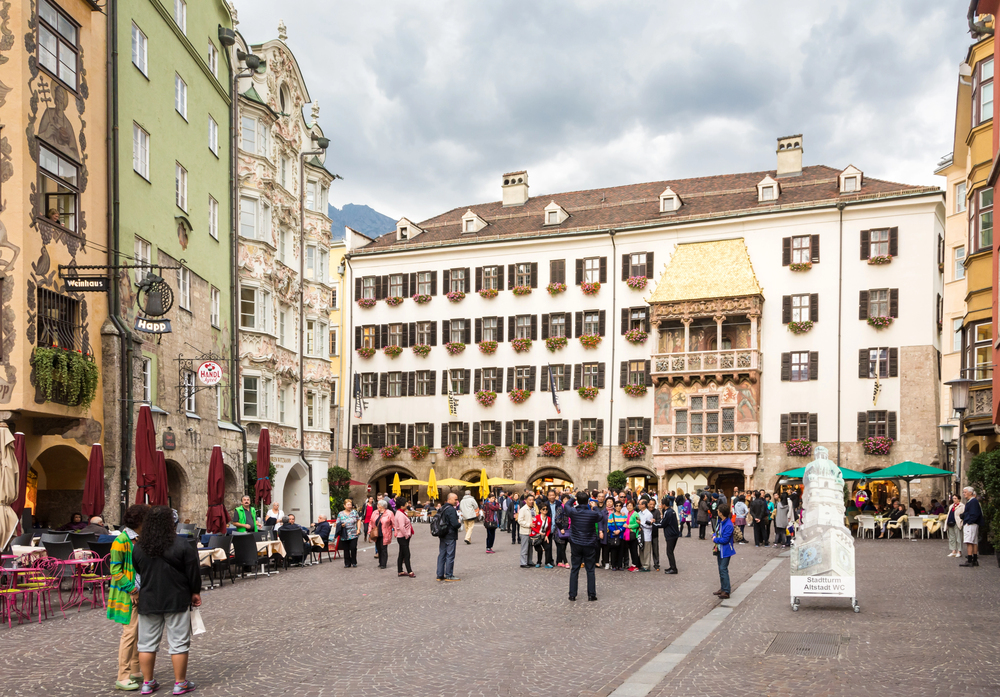
Altstadt with the Goldenes Dachl (Old Town and Golden Roof)
Historic quarter and walkThe medieval core is compact, arcaded and closed to traffic, and the 2,657 gilded copper tiles of Maximilian I's balcony stop everyone in the same spot. The loop of Herzog-Friedrich-Strasse and Hofgasse passes the Hofburg, the Hofkirche and the Stadtturm.
Walk it in the evening, once the day trippers have gone.
What Sam said
The drive up here is mountain goat stuff, as scary and hazardous as any drive we've been on since we've been in Europe. Sam Newman, on the ground
Sam Newman in Innsbruck
Filmed on Sam's own trip through Europe, parts of which Cartier World Travel arranged.
Other stops on Sam's journey
Innsbruck
Tell us roughly when and for how long. We build the rest around you, the way we built Sam's.