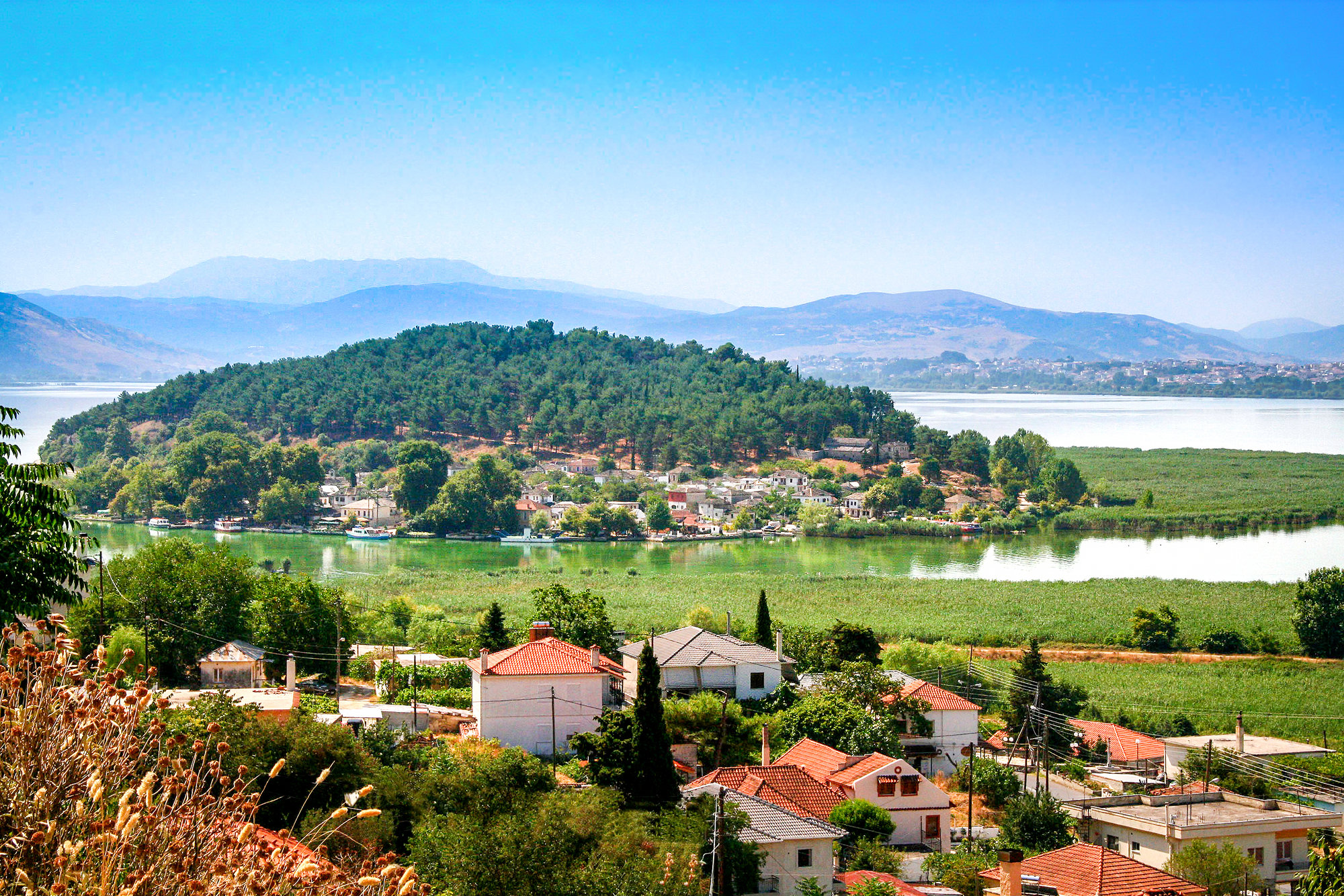
Most Australians who make it to Greece go straight for the islands, which is exactly why visiting Ioannina in Greece feels like such a find. This is the capital of Epirus, in the country’s mountainous north west, a city set on the shore of Lake Pamvotida with a walled old town on a headland and the Pindus ranges standing behind it. There is no ferry queue, no cruise crowd and no sense that the place has been arranged for visitors. It is a working Greek city that happens to be beautiful.
It is also the natural first stop for anyone crossing from Italy. The Adriatic ferries land at Igoumenitsa on the coast, and Ioannina sits a straightforward drive inland from there, so a night on the water can be followed by lunch beside a lake.
The lake, and the castle beside it
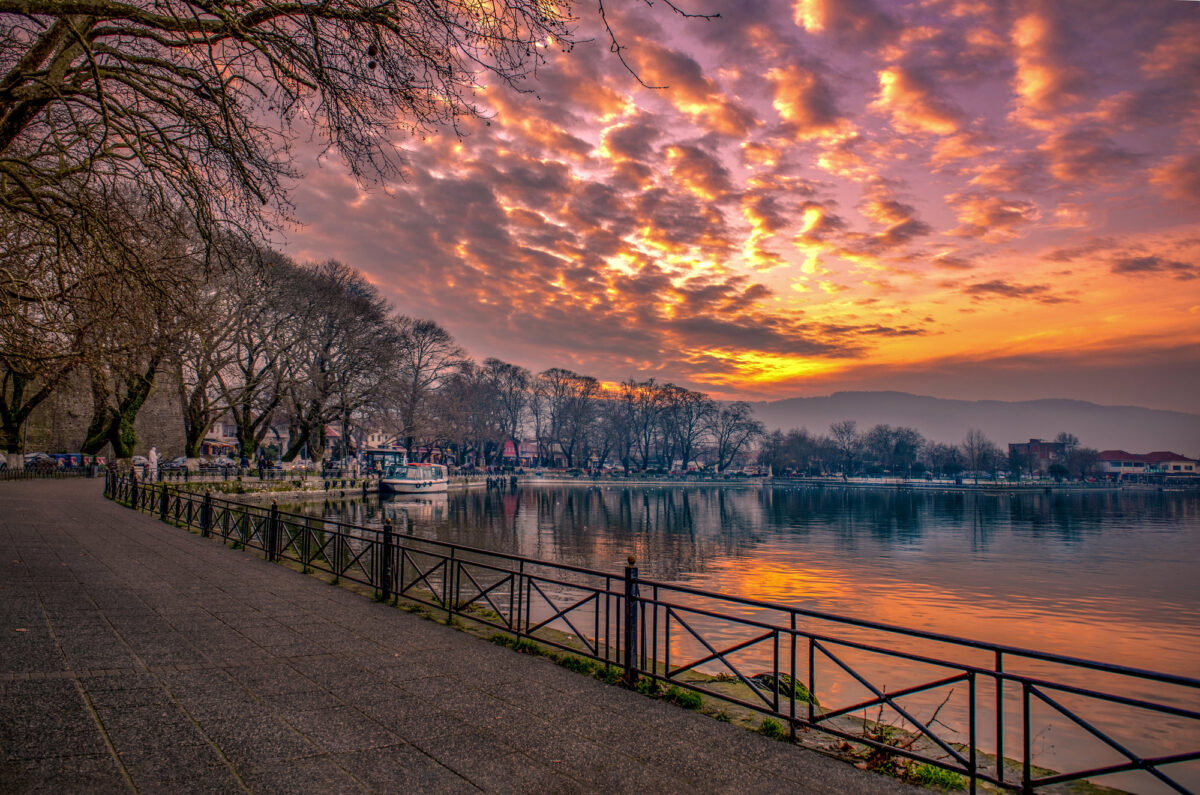
Lake Pamvotida is the reason the city looks the way it does. On a still day it mirrors the mountains. On a windy one it turns grey and choppy and the promenade empties out, which is worth knowing if you have built up a picture of glassy blue water in your head. Either way the shoreline walk is the best orientation you can give yourself in the first hour.
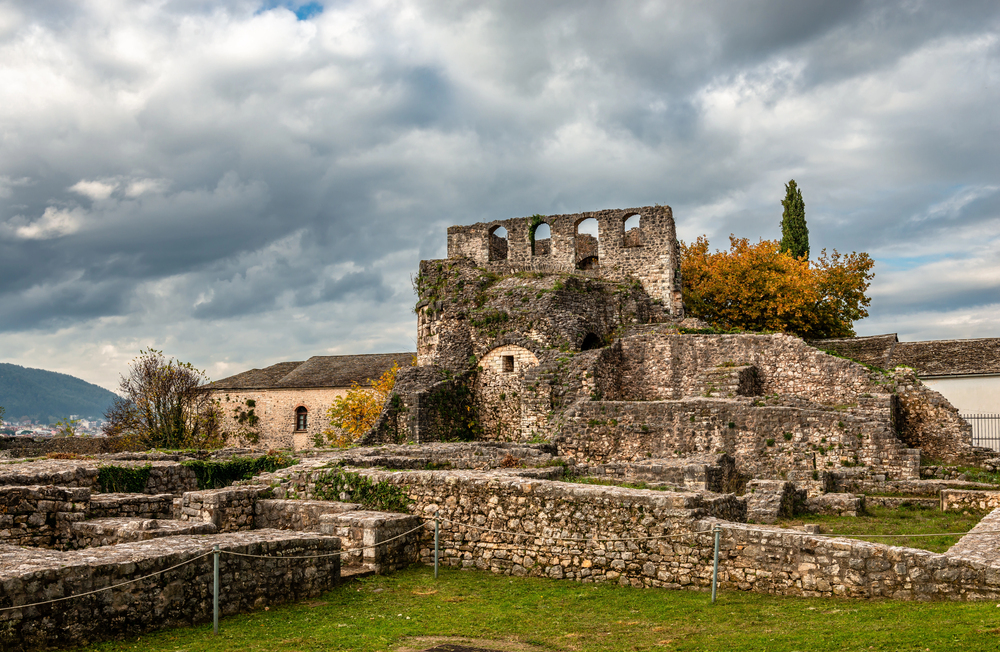
Above it stands the Kastro, the castle and fortress quarter, a genuinely large edifice with the Greek flag on top and stone walls running down to the water. Unlike a lot of European fortifications, this one is still inhabited. You walk in under an arch, past souvenir shops, and find yourself in lanes of houses, mosques, museums and small courtyards. It is the layered Ottoman and Byzantine history of Epirus in one compact, walkable area, and Ioannina’s long tradition of silversmithing is still visible in the workshops and collections here.
The city and the wider region have also drawn film crews, from Bollywood productions to the Netflix thriller Beckett, which was shot in Greece. Once you have seen the light on the water and the stone of the walls, the appeal to a location scout is fairly obvious.
The Perama Caves
A few kilometres out of the centre, under the hill at Perama, is one of the largest cave systems in Greece. It was mapped in the twentieth century and is now lit and laid out along walkways through chambers of stalactites and stalagmites.
One practical point catches people out. You cannot simply buy a ticket and wander in on your own. Entry is by guided tour, groups leave at set intervals, and if you arrive just after one has gone in you will be waiting. Build in the time, or come early in the day.
What visiting Ioannina in Greece feels like day to day
The pleasure of this city is ordinary life at close range. The main squares work as shared eating spaces, with several businesses serving into the same open area, and each one has its own chairs. The colour of the seat tells you whose customer you are, which is a small thing to learn and a slightly confusing one at first if you sit down in the wrong place. Coffee is taken slowly and nobody moves you along.
The Greek alphabet is the other adjustment. Street signs and menus stop looking like decoration and start becoming readable after a day or two, and until then the names of places are worth pointing at rather than pronouncing. Ioannina itself defeats most visitors on the first attempt, and nobody minds.
Where it takes you next
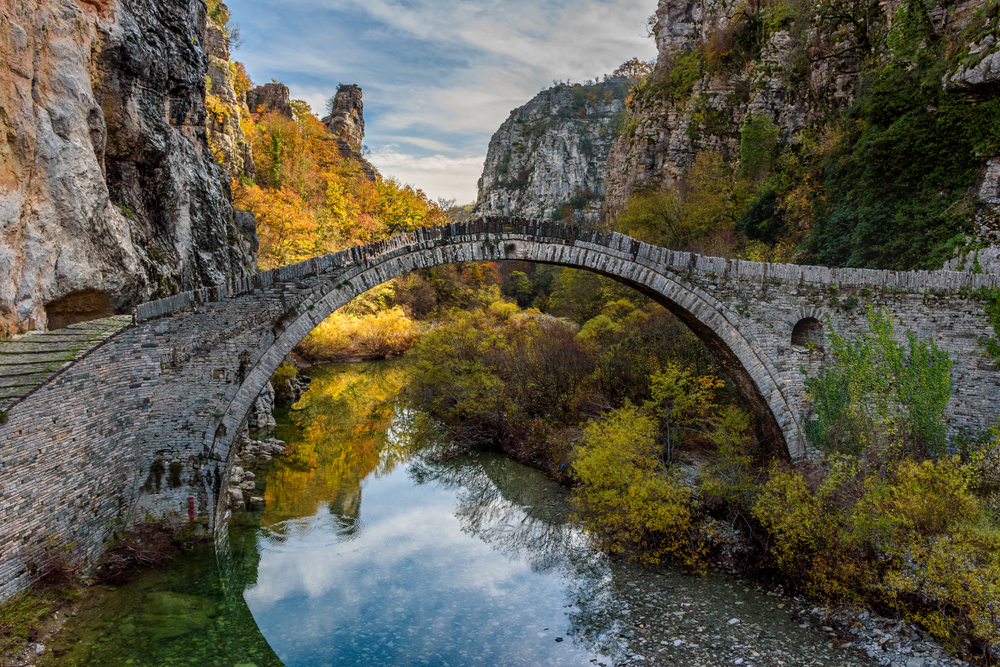
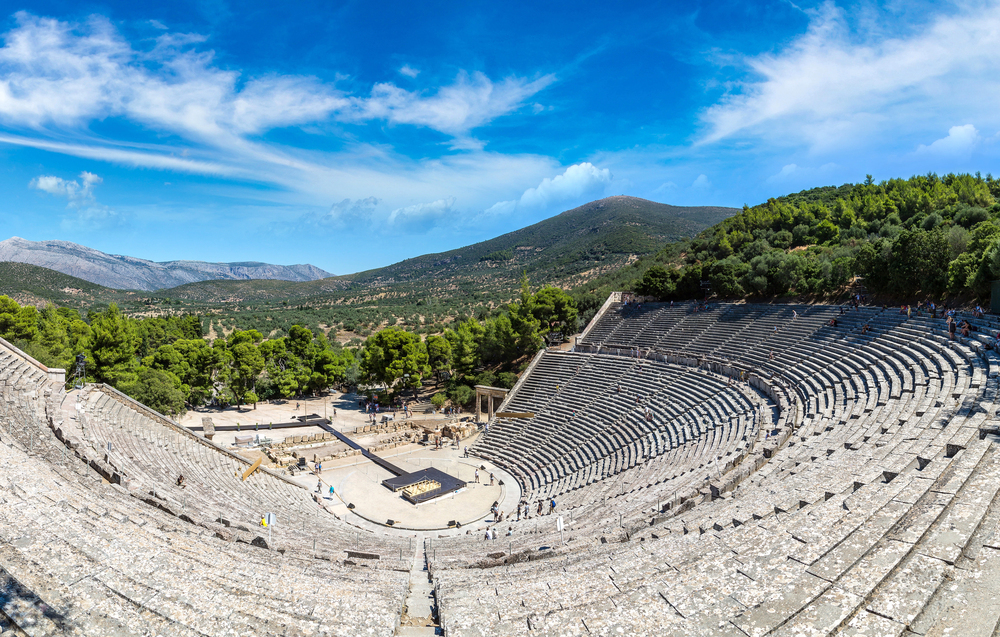
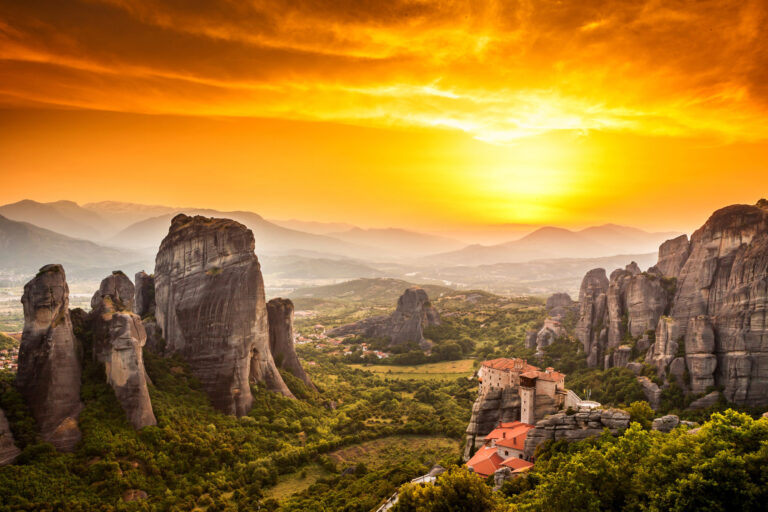
Ioannina is a base as much as a destination. North of the city are the Zagori villages, built in grey stone with arched packhorse bridges, and the Vikos Gorge, one of the deepest in the world. East, on the way towards Meteora, is the mountain town of Metsovo. South lies Dodoni, the ancient oracle site with its enormous theatre. All of them are day trips from a single hotel, which makes this an unusually efficient place to slow down.
When to go, and how it fits a wider trip
Late spring and autumn are the sweet spot. Epirus summers are hot, and the difference between the high thirties and something closer to the high twenties is the difference between enjoying the castle walls and hiding from them. Autumn brings wind off the lake and cooler evenings, so pack a layer even when the forecast looks generous. Winter is genuinely cold up here, with snow in the mountains.
The city sits naturally in an Italy to Greece itinerary, arriving by overnight ferry from the Adriatic coast and driving inland, or as the northern anchor of a Greek mainland loop taking in Meteora and Delphi before the islands. Give it two or three nights rather than one. A lakeside city with a castle you can walk into, caves down the road and a gorge in the mountains behind deserves more than a coffee stop.